
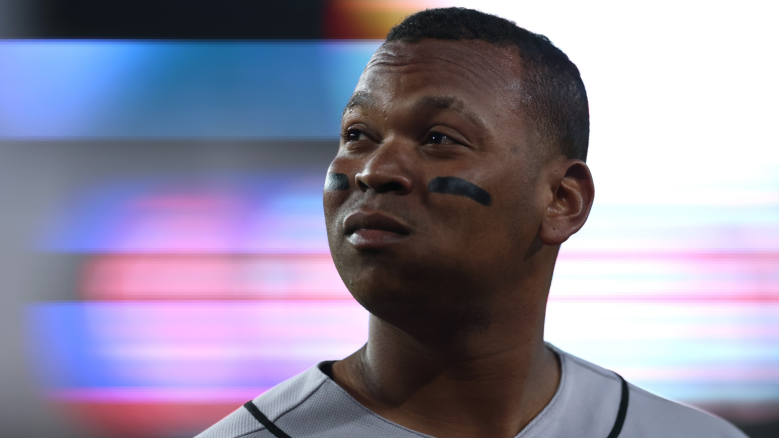
A year has passed since the Boston Red Sox stunned baseball by trading Rafael Devers to the San Francisco Giants, but the conversation around the blockbuster deal remains far from over.
The financial flexibility Boston gained has been well documented. The Red Sox shed the remainder of Devers’ massive contract and redirected resources toward reshaping the roster. They added veterans, extended young cornerstone Roman Anthony, and entered 2026 with one of the highest payrolls in franchise history.
Yet as the Red Sox continue searching for answers offensively, the anniversary of the trade serves as a reminder of what has proven far more difficult to replace than payroll space: a true middle-of-the-order force.
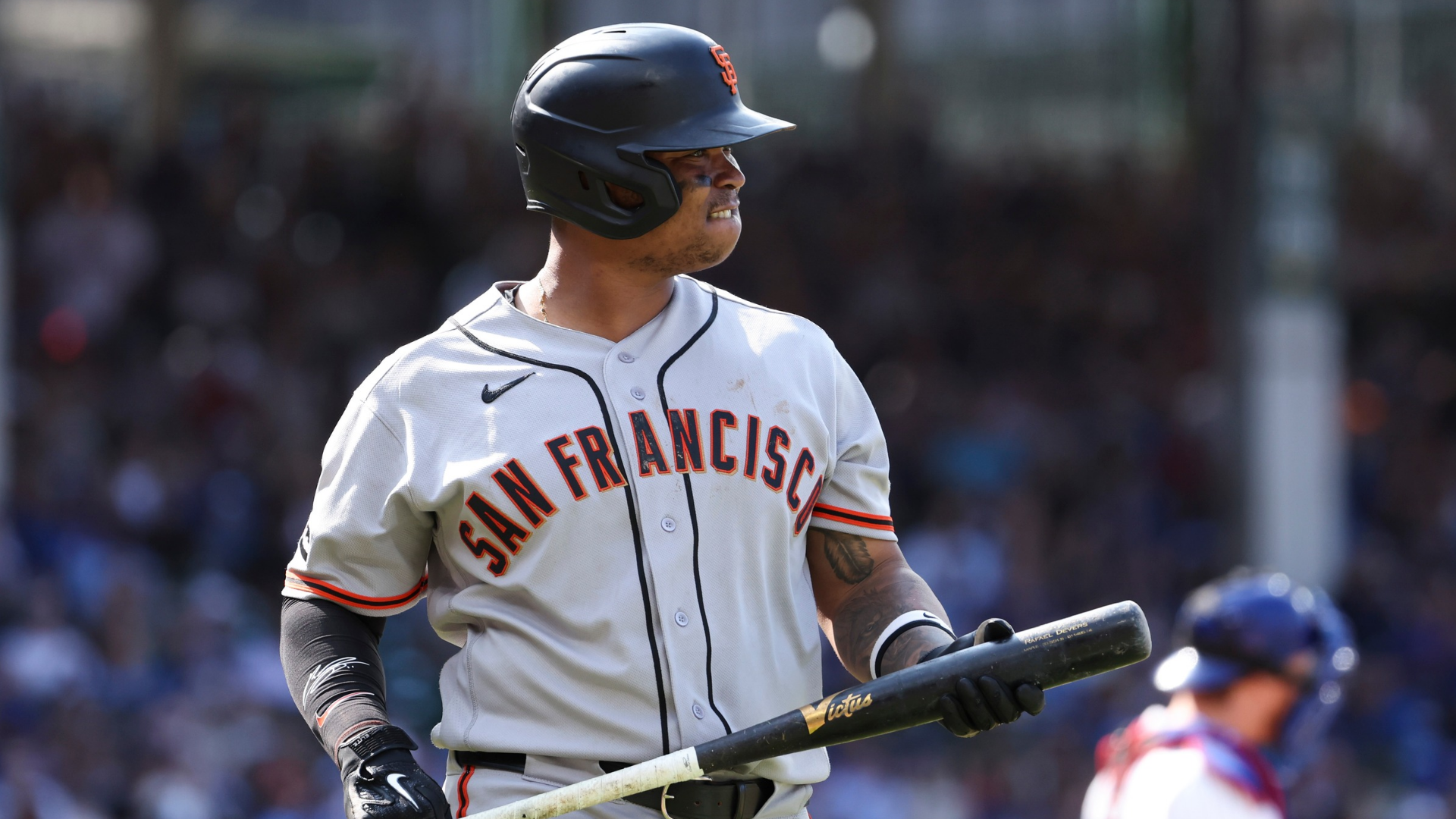
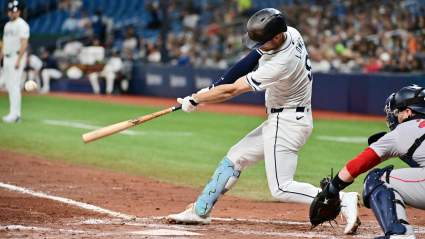
The Boston Globe’s Tim Healy revisited the deal one year later and highlighted the club’s ongoing struggle to replicate the offensive impact Devers routinely provided. While Devers has not posted elite numbers by his standards in San Francisco this season, his production still compares favorably to what Boston has received from the designated hitter spot since the trade.
More importantly, the numbers only tell part of the story.
The Red Sox Still Lack a Feared Bat
Every contending lineup needs at least one hitter opposing pitchers actively try to avoid.
For nearly a decade, Devers was that player in Boston.
Even during stretches when he wasn’t carrying the offense, his presence changed how opponents attacked the hitters around him. Pitchers had to account for his ability to drive the ball out of the park to any field. Managers adjusted bullpen decisions based on where Devers appeared in the lineup.
The current Red Sox lineup features several productive hitters, but none possess the same combination of power, patience, and intimidation factor Devers brought at his peak.
That absence has become especially noticeable in close games.
Boston has frequently found itself searching for one big inning or one momentum-changing swing. Those moments were often where Devers excelled. Whether it was a game-tying homer, a two-out RBI double, or a clutch at-bat against elite pitching, he gave the Red Sox a margin for error they no longer seem to possess.
The Trade Tree Raises More Questions
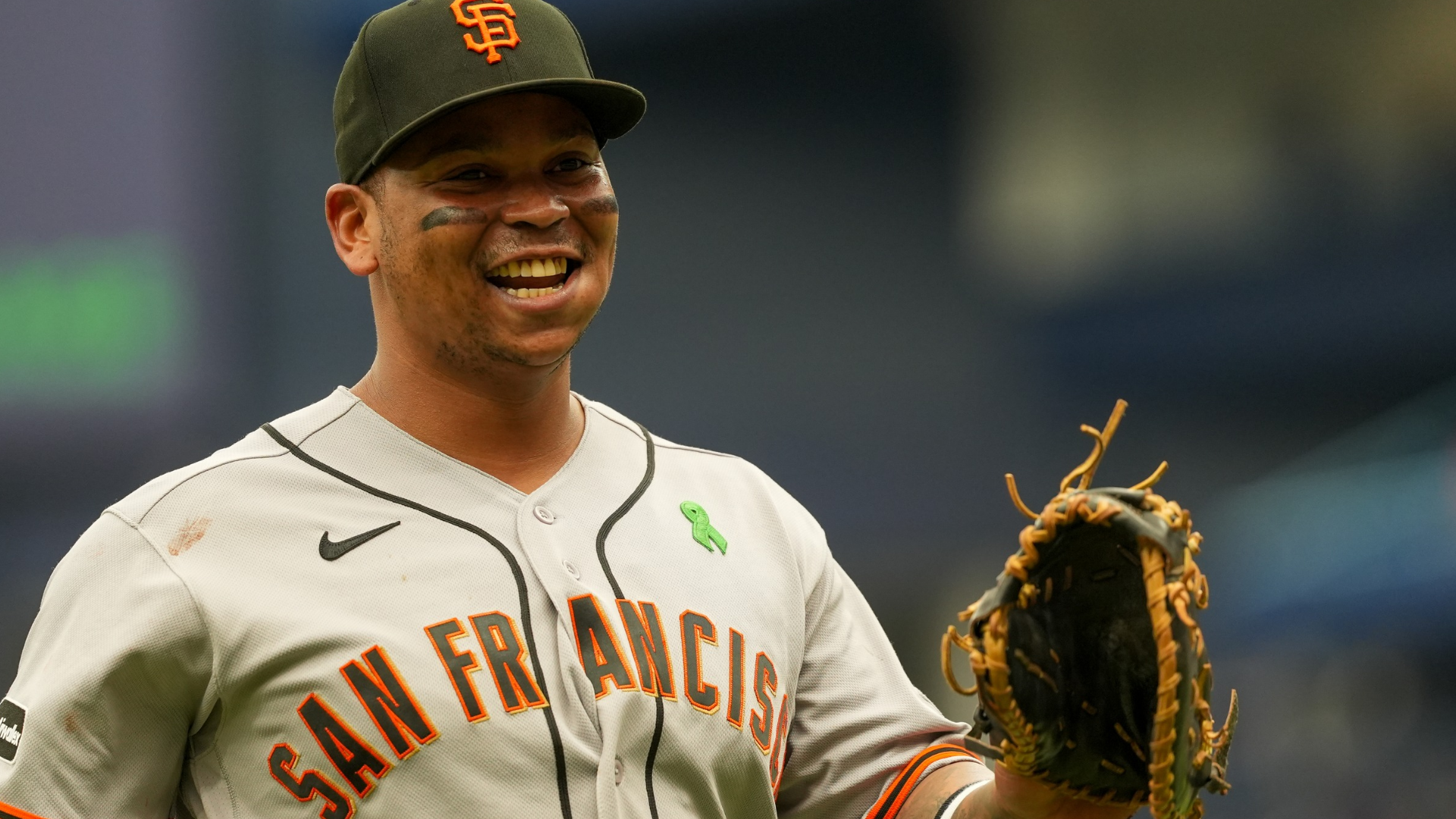
The players Boston acquired in the deal have done little to quiet concerns.
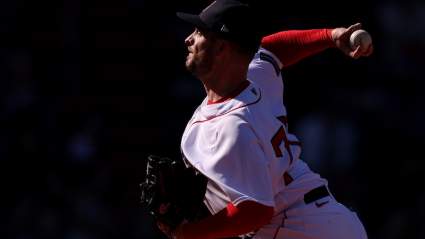
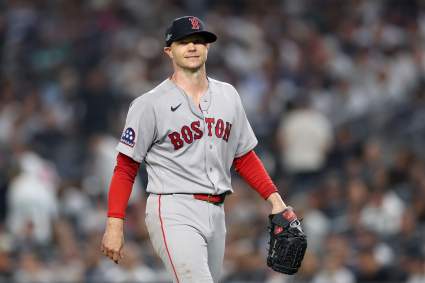
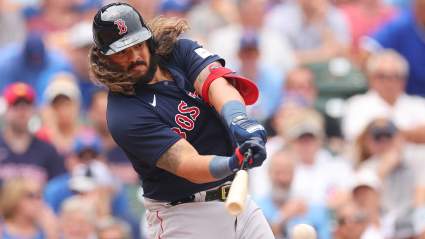
The Red Sox moved on from Jordan Hicks, traded Kyle Harrison in a separate deal, and sent James Tibbs to the Los Angeles Dodgers, where the former top prospect is now thriving in Triple-A.
Only Jose Bello remains in the organization from the original return.
That reality does not automatically make the trade a failure. Front offices evaluate deals over years, not months.
Still, one year later, the Red Sox continue searching for the very thing they traded away. As Boston battles to stay relevant in the American League playoff race, the anniversary of the Devers trade offers a difficult reminder: replacing a franchise-caliber bat is much harder than replacing a contract.
One Year Later, Rafael Devers Trade Still Haunts Red Sox in One Key Area