
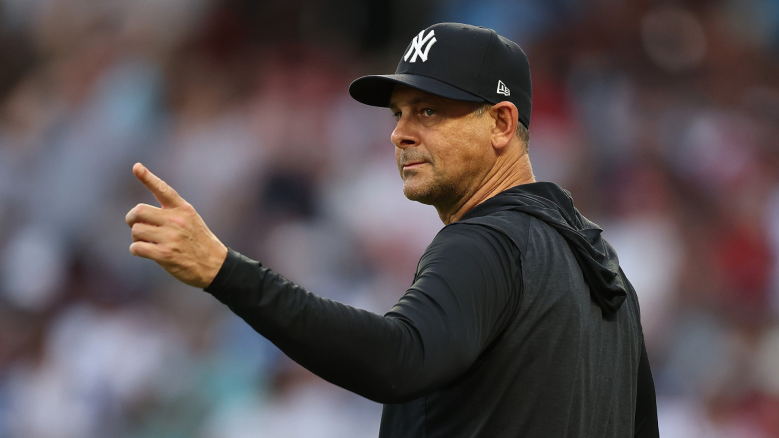
The New York Yankees bullpen entered the 2026 season as one of the roster’s biggest question marks, and three weeks in, that uncertainty has not gone away. If anything, as Greg Joyce of the New York Post detailed in a recent Sports+ breakdown (paid subscription required), the unit is walking a fine line between encouraging depth and looming instability.
On paper, the numbers do not scream crisis. A 3.50 bullpen ERA ranked around the top third of baseball entering mid-April, and a 0.9 fWAR placed the group among the league’s more productive relief corps. That is the part that complicates the conversation. The Yankees are getting results, but they are not necessarily building trust.
Strong Metrics are Masking a Fragile Trust Circle
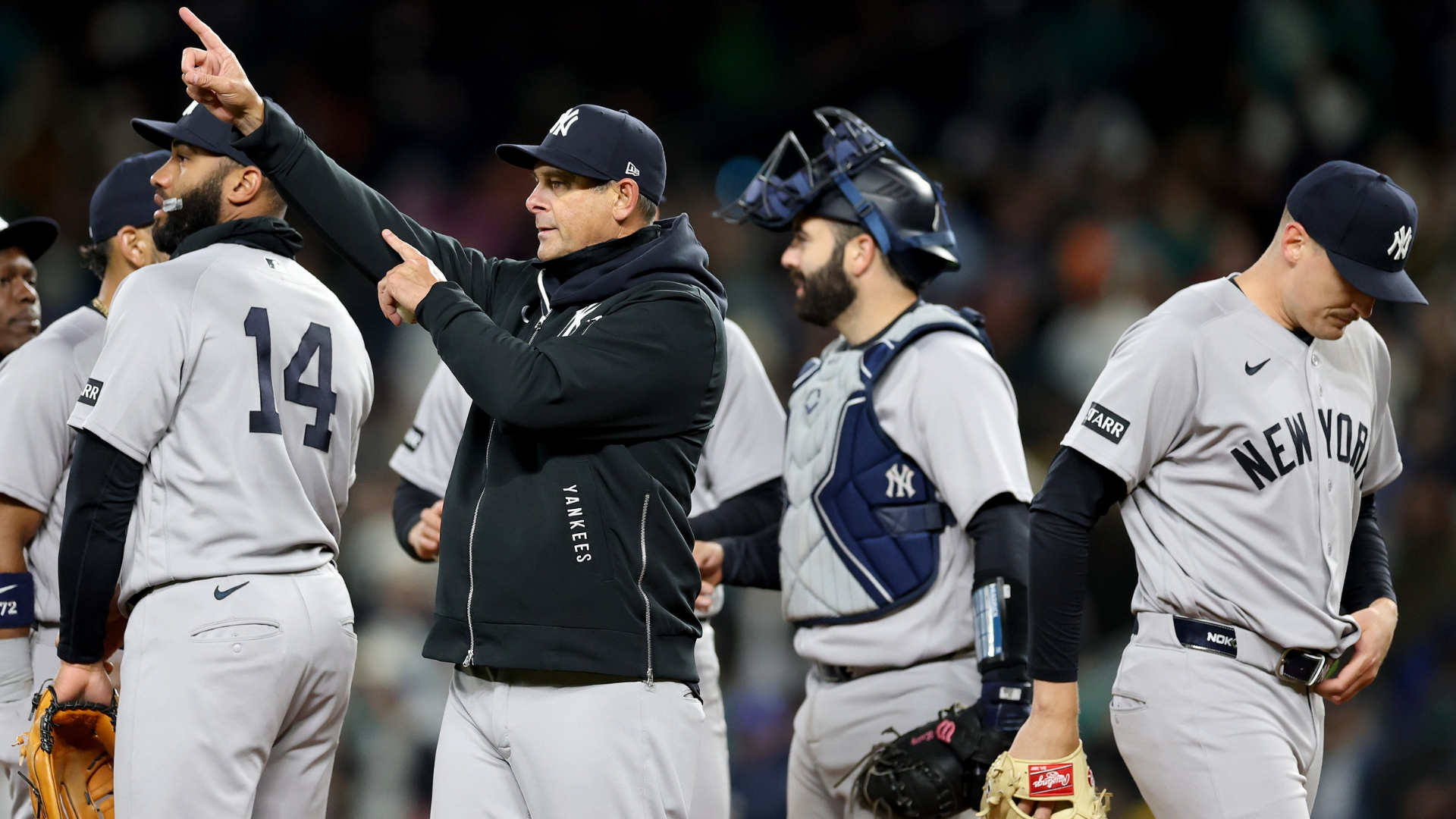
This is where Joyce’s “worry meter” framing becomes useful. It is not about whether the bullpen can produce outs. It is about how many arms Aaron Boone can confidently hand the ball to when the game is on the line.
Closer David Bednar sits somewhere in the middle. Five saves look solid, but the underlying concerns are real. His fastball velocity has dipped from 97.1 mph last season to 95.5 mph, and while he has navigated those outings, the margin for error is shrinking. That is the kind of detail that does not always show up in ERA but becomes critical in October.
The same tension exists with Camilo Doval. His velocity is trending up, which is a positive sign, but results have been uneven. Giving up multiple runs in half of his recent appearances reinforces a pattern Yankees fans saw last year. The stuff is there. The consistency is not.
That theme repeats throughout the bullpen.
Fernando Cruz has elite swing-and-miss ability, but seven walks in just over seven innings highlight a command issue that can spiral quickly. Jake Bird has shown flashes of dominance but was already optioned after volatile outings exposed his lack of strike-throwing consistency.
Usage Patterns Could Become the Bigger Problem
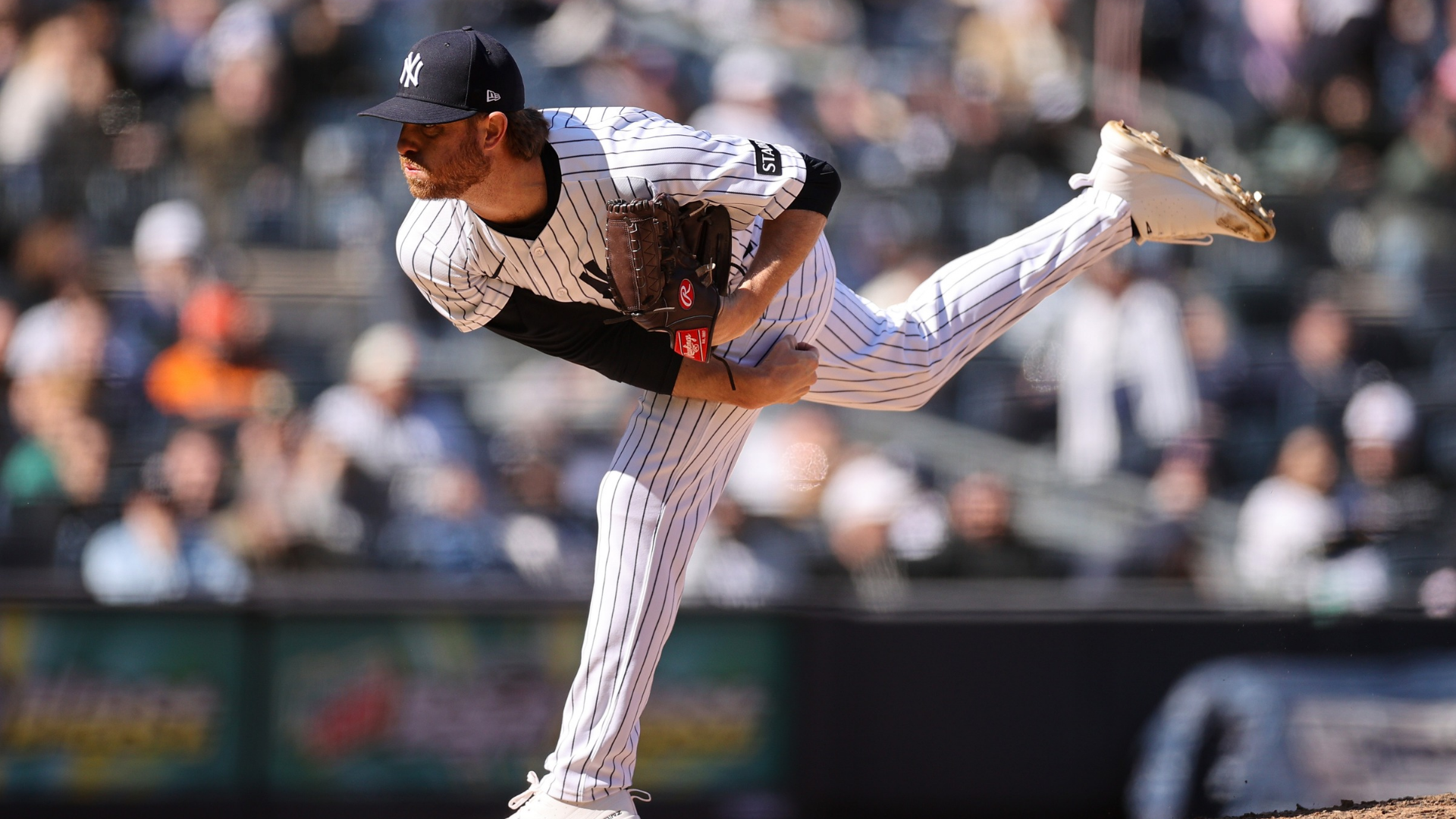
If there is one area where the Yankees should be more concerned than the raw performance, it is workload management.
Brent Headrick has quietly been one of the bullpen’s most effective arms, striking out 12 over 10.1 innings with minimal damage. But he also led the majors in appearances early on, pitching in 12 of the team’s first 18 games. That pace is not sustainable, especially for a pitcher still adjusting to a full-time relief role.
This is where the bullpen’s structure starts to feel thin. The Yankees are leaning heavily on certain arms while still trying to figure out roles for others like Ryan Yarbrough and Paul Blackburn. Both offer length, but neither has fully established himself as a high-leverage option. Carrying two multi-inning relievers only works if the rest of the bullpen is stable. Right now, that stability is not fully there.
The one exception might be Tim Hill, who continues to do exactly what he is supposed to do. Used correctly against left-handed hitters, he remains one of the more predictable pieces in the entire group.
Reinforcements are Coming, But Not Yet
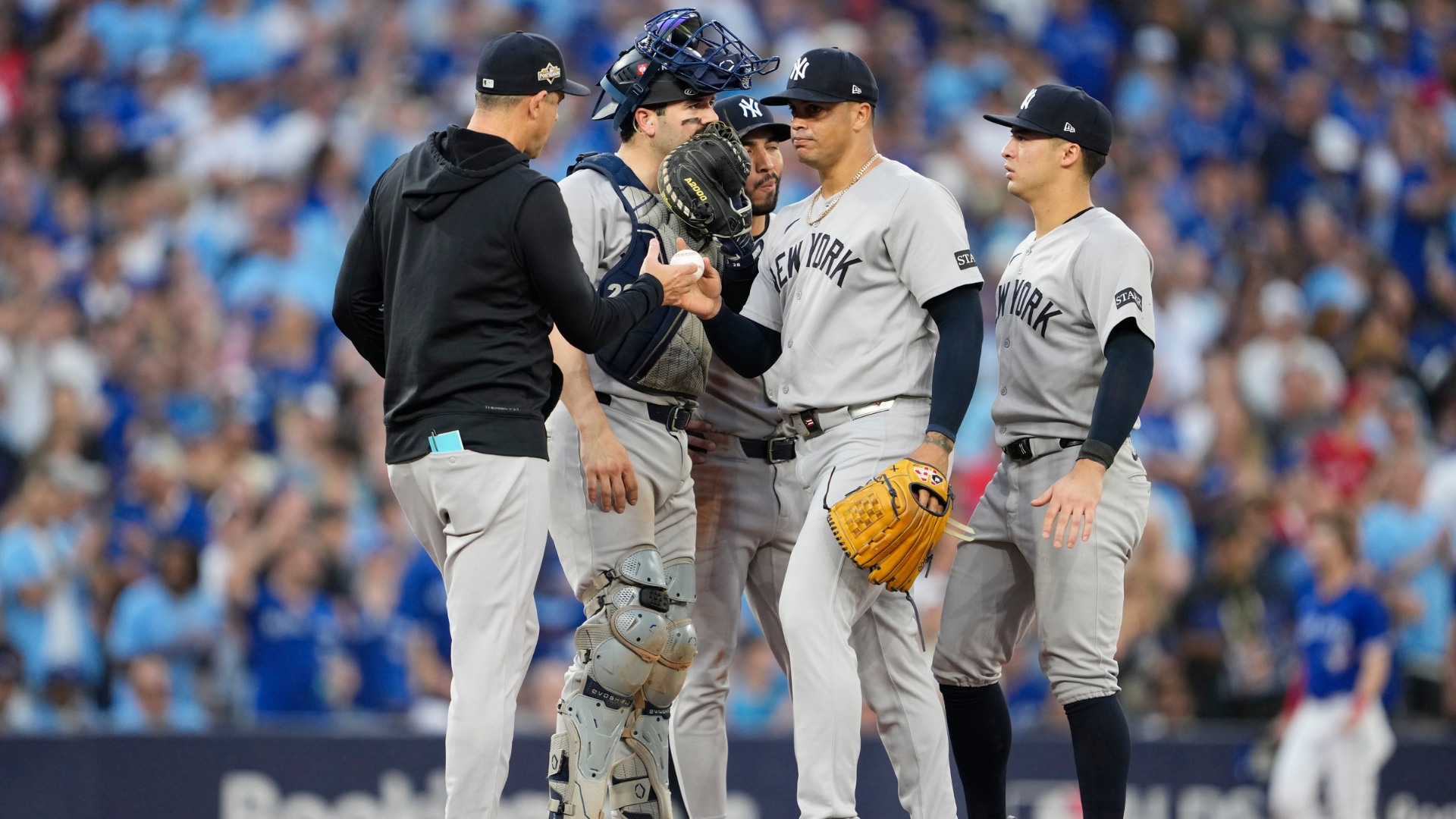
Part of the Yankees’ long-term optimism hinges on eventual reinforcements. As the rotation gets healthier, arms could shift into the bullpen, naturally strengthening the unit. There is also the near certainty that the front office will target relief help at the trade deadline.
But that does not solve the current problem.
Right now, the Yankees bullpen exists in a gray area. The metrics say it is good. The eye test says it is volatile. And as Joyce’s overall “7” worry rating suggests, the truth likely sits somewhere in between.
For a team with postseason expectations, that middle ground is not comfortable. It is something to monitor closely, especially as the innings begin to pile up and the margin for error continues to shrink.
Yankees Bullpen Breakdown Raises Red Flags