

The Minnesota Timberwolves’ pursuit of Jonathan Kuminga could hinge on a player they acquired only last month and perhaps on a date three weeks away.
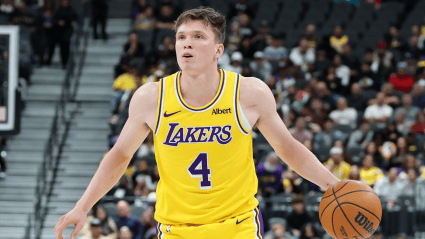
Josh Green may hold the key to Minnesota improving its offer for Kuminga from the veteran minimum to its roughly $6 million taxpayer midlevel exception.
ClutchPoints NBA insider Brett Siegel identified the Timberwolves as one of three Western Conference teams he is watching most closely for Kuminga, along with the Los Angeles Lakers and Denver Nuggets. Minnesota has interest, but its current payroll limits what president of basketball operations Tim Connelly can put on the table.
Moving Green could change that.
“When Josh Green becomes available in trade talks, do they look to move him to then have access to that and sign Jonathan Kuminga?” Siegel said Thursday on Clutch Scoops.
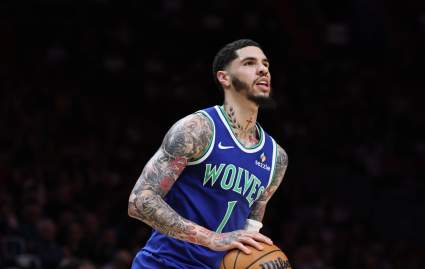
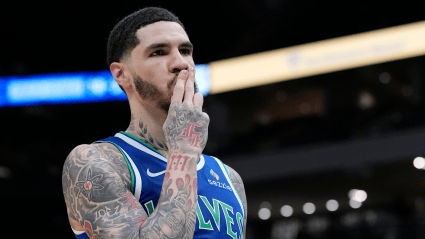
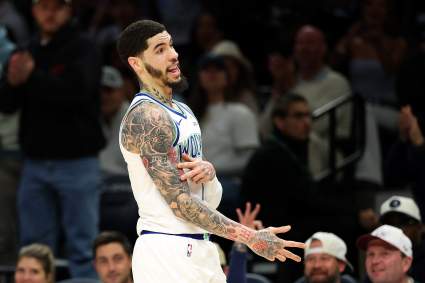
Green, acquired from Charlotte in the blockbuster LaMelo Ball trade, is entering the final season of a three-year, $41 million contract.
Josh Green Trade Could Unlock Timberwolves’ MLE
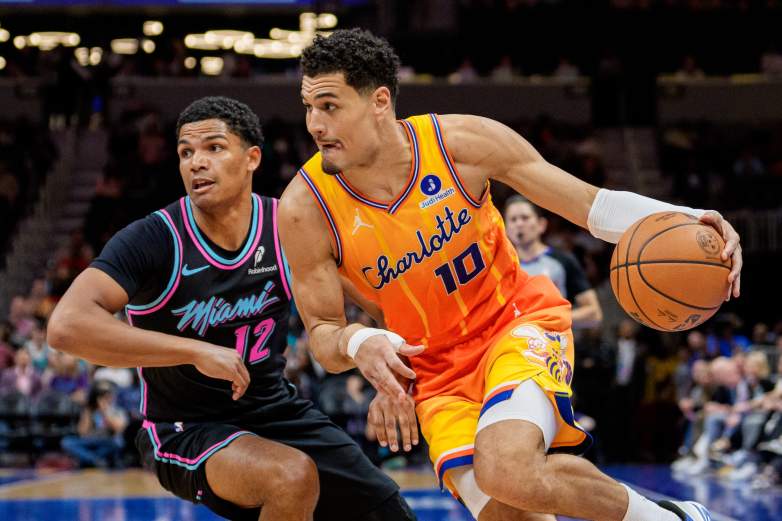
Siegel’s comments put Green in an intriguing position less than two months after Minnesota acquired him.
The Wolves currently cannot aggregate Green’s salary with another player in a trade because of an NBA restriction on recently acquired contracts. Under the collective bargaining agreement, a player acquired using an exception cannot have his salary combined with other outgoing salaries in another trade for two months.
That does not mean Green is completely untradeable until then. Minnesota could trade him by himself if it can construct a legal transaction.
But the distinction could become important if Connelly needs a more complicated deal involving multiple Minnesota players to create the necessary financial flexibility.
The Wolves announced their acquisition of Green on July 10. That puts Sept. 10 as the date when the two-month aggregation restriction expires.
In other words, Minnesota has options now. It could have more in September.
Jonathan Kuminga’s Shrinking Market Could Help Minnesota
Timing matters because Kuminga’s market is moving in the opposite direction.
Cleveland is no longer considered one of his primary suitors after acquiring Peyton Watson. Siegel now views Minnesota, Los Angeles and Denver as the three Western Conference teams to watch most closely.
The Lakers remain interested but face their own difficulties constructing a sign-and-trade. Denver could emerge if Kuminga becomes willing to accept a one-year, prove-it contract.
Minnesota potentially offers a middle ground.
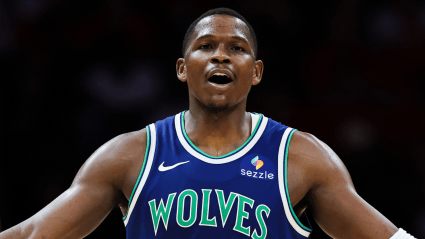
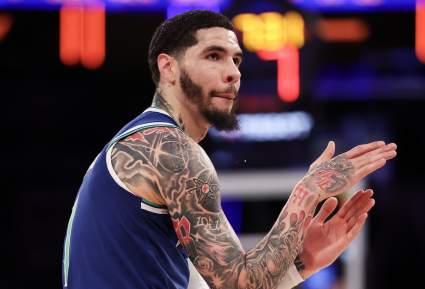
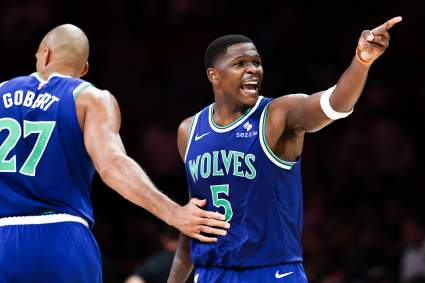
Kuminga could have a significant role at power forward on a roster built around Anthony Edwards and Ball. But the Wolves would first have to make the money work.
A minimum offer would require Kuminga to make a dramatic concession from the salary his camp sought earlier in the offseason. Creating access to the taxpayer MLE would allow Minnesota to make a more competitive pitch.
That puts Green in the middle of an uncomfortable calculation.
The 25-year-old hasn’t played a regular-season game for Minnesota. Moving a useful perimeter player simply to create spending power isn’t insignificant.
But Kuminga is 23, fills a positional need and carries considerably more upside.
Connelly has already acknowledged that Minnesota has been talking with intriguing free agents. Kuminga’s dwindling list of options could make one of those conversations increasingly realistic.
The Wolves have interest. Kuminga’s market is shrinking. Green could provide the financial flexibility to bridge the gap.
And if Minnesota needs to package his salary with another player to get there, Sept. 10 is the next date to watch.





Timberwolves’ $41 Million Wing Holds Key to Jonathan Kuminga Pursuit, per NBA Insider