
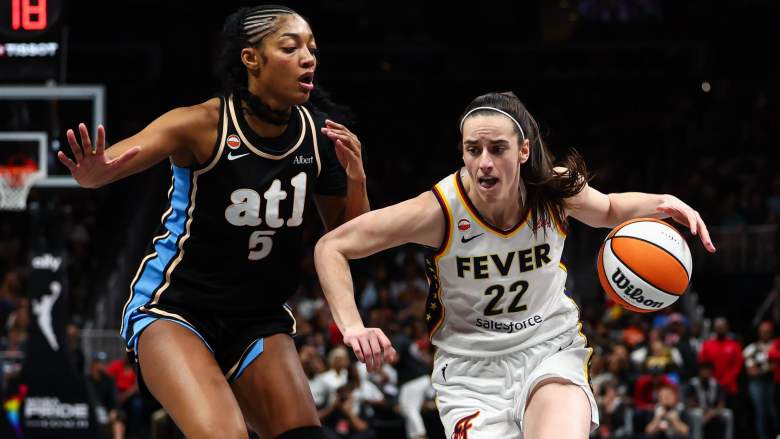
Caitlin Clark and Angel Reese generated sharply different responses in a study examining trash talk among WNBA fans. Casino.org surveyed 2,000 league followers in the United States and Canada in September 2026. The results separated the players whom respondents admitted criticizing from those they believed faced the most criticism throughout the wider WNBA conversation.
Reese led the first category by a wide margin. Forty-four percent identified the Atlanta Dream star as someone they had personally targeted, more than twice the 18% recorded by Clark. Sophie Cunningham placed third at 9%.
Clark, however, moved ahead when fans considered the league-wide picture. Forty-two percent viewed her as the player who receives the most trash talk overall. Reese followed at 32%, while Cunningham again finished third with 9%.
The distinction produced two different answers about the biggest target. Reese drew the highest share when fans disclosed their own actions, but Clark dominated when they described what they believed was happening around the league.
Caitlin Clark Leads WNBA Players in Fan Defense
The divide became even clearer when the study asked respondents which player they would defend.
Clark led that category with 34% of the vote. Cunningham ranked second at 16%, followed closely by Reese at 15%. Clark’s support more than doubled the percentage Reese received, despite both players ranking first or second across the study’s other player-focused questions.
Those results show that visibility does not translate into one uniform reaction. Clark inspired the survey’s strongest protective response while also carrying the perception that she encounters the most criticism. Reese, meanwhile, became the player fans most frequently acknowledged targeting themselves.
The study did not treat perceived criticism and admitted behavior as interchangeable. That difference matters because respondents may notice widespread commentary aimed at one player while directing their own remarks toward someone else.
Cunningham provided the most consistent result. She placed third among personal targets and perceived targets, then rose to second among players fans would defend.
WNBA Survey Details Broader Trash-Talk Habits
The individual player results came within a wider examination of how supporters interact with teams, players, and one another.
Half of the surveyed fans acknowledged engaging in trash talk during the current season. Within that group, 63% said they had deliberately criticized a player or team to irritate opposing supporters.
The behavior often continued even when a fan’s preferred team had no role in the result. Sixty-eight percent said they had mocked another supporter following that person’s team losing, regardless of whether their own club participated in the game.
Social media also became a frequent destination. Forty-three percent of the trash-talking group said they had entered an opposing player’s or team’s comment section to antagonize people. Meanwhile, 19% characterized their language as fairly severe or without restraint.
More than one-quarter, 27.3%, said they participated often or very often.
Those broader findings provide context for the Clark-Reese split. The study captured an environment in which provocation regularly moves beyond direct matchups and into online conversations. Within that climate, Reese emerged as the player respondents most readily admitted targeting, while Clark inspired both the strongest defense and the broadest perception of receiving criticism.
Caitlin Clark, Angel Reese Draw Opposite Reactions in WNBA Trash-Talk Study