
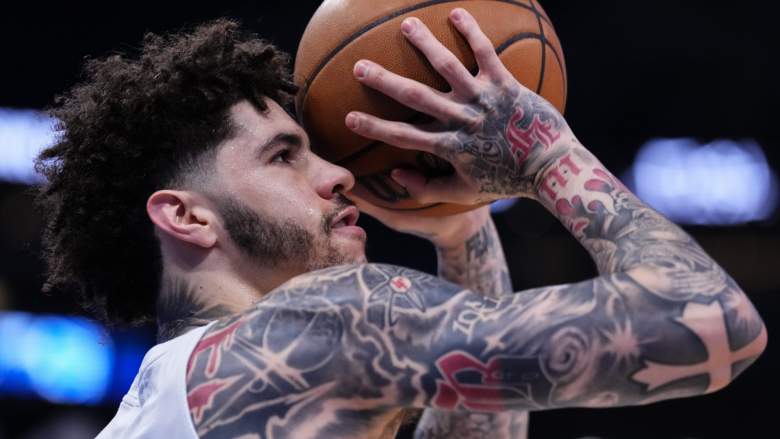
The Minnesota Timberwolves will enter training camp next week with a promising but delicate assignment. Chris Finch must incorporate LaMelo Ball and Jonathan Kuminga without disrupting the chemistry Anthony Edwards, Jaden McDaniels, and Rudy Gobert have already developed. The head coach, however, believes Ball’s arrival could simplify that process.
“This year we feel like we can get back to making life a little easier for Anthony with some offense that’s created by LaMelo,” Finch told Dane Moore. “If [Edwards] can learn to stay patient off the ball…allowing LaMelo to make the game easier for [Edwards], because last year it was hard… everybody made it hard for Anthony.”
That plan places Ball’s playmaking at the center of Minnesota’s offensive evolution. Edwards ranked third in the NBA in scoring last season, but opponents consistently loaded their defensive attention toward him. Ball gives the Timberwolves another player capable of initiating offense and creating opportunities for teammates.
Chris Finch Sees a Natural Fit With LaMelo Ball
Finch acknowledged that every new roster creates potential trouble spots, per Fansided. Still, he considers Ball’s fit less complicated than some of the lineup challenges Minnesota has handled before.
“But this one doesn’t feel as daunting just because of the need and the fit and the way that LaMelo is able to make the game so much easier for people,” Finch said on “The Dane Moore NBA Podcast.”
Minnesota finished 13th offensively last season while maintaining a top-10 defense under Finch. The roster’s next step centers on producing easier scoring chances without sacrificing the defensive foundation that has kept the team competitive.
Finch wants Minnesota to adopt a simpler structure built around speed, spacing, and clearer responsibilities. He described “less is more” as an overall theme for the season and discussed playing smaller to create room that previous lineups could not consistently generate.
The adjustment also asks something different of Edwards. He will still drive the offense, but Finch wants him to remain patient when Ball controls possession. Instead of forcing Edwards to manufacture every opportunity, Minnesota can use his movement away from the ball to pressure defenses from another angle.
Timberwolves Could Increase Their Pace With Ball
The Timberwolves possess the athleticism to play faster with Ball, Edwards, McDaniels, and Kuminga. That group can push the ball, attack the rim, and capitalize before opposing defenses settle into their assignments.
Gobert remains limited as a scorer, but his screening can produce openings in the half court. His rebounding can also finish defensive possessions and give Minnesota chances to advance the ball immediately.
Ball represents the first top-tier point guard Edwards has played beside. If McDaniels continues his development and Kuminga finds his place within the offense, Finch should have several ways to distribute the scoring burden.
Finch does not expect the transition to arrive without issues. He believes the larger challenge involves bringing Minnesota’s younger players and reserves to a dependable level of performance.
Still, the main idea remains straightforward. If Ball consistently creates quality looks, Edwards will not have to fight through concentrated defensive pressure on every trip. That could lift Minnesota’s entire offense without forcing Finch to rebuild its identity around complicated lineup combinations.
Timberwolves’ Chris Finch Reveals LaMelo Ball Plan for Anthony Edwards