
The New York Knicks have invited five veterans to compete for what appears to be one available roster spot. A modest trade across the East River could allow them to keep two—and preserve another opening for later.
New York enters training camp with 13 standard contracts and approximately $3.3 million in room below the NBA’s $221.7 million second apron. That is enough to sign one veteran to a minimum contract, but not two without crossing a threshold that would severely restrict the defending champions’ flexibility.
Here is a hypothetical trade:
New York Knicks receive: Brooklyn’s 2033 second-round pick, protected Nos. 31-55
Brooklyn Nets receive: Pacôme Dadiet, the least favorable of the four future second-round picks New York acquired during the 2026 draft and approximately $2 million in cash considerations
The protected Brooklyn pick would be unlikely to convey. Functionally, the Nets would absorb Dadiet’s contract and receive a second-round sweetener for helping their crosstown rival escape an apron squeeze.
Knicks Trade Would Create Room for Two Veterans
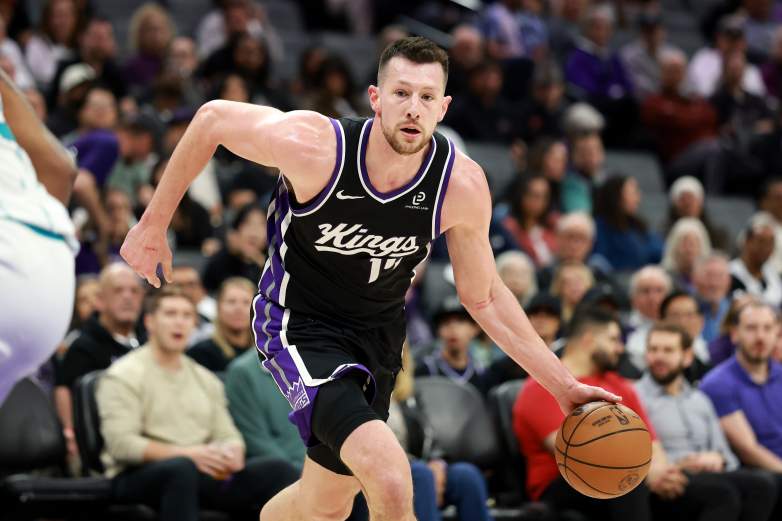
Moving Dadiet without taking back salary would clear approximately $4.8 million from New York’s payroll, increasing its space below the second apron to roughly $8.1 million.
The Knicks could then keep Bruce Brown and Drew Eubanks, each carrying an apron charge of approximately $2.45 million on a veteran-minimum contract.
Brown would give coach Mike Brown another versatile perimeter defender and secondary ball-handler. Eubanks would provide frontcourt insurance behind Karl-Anthony Towns and Andre Drummond after the departures of Mitchell Robinson and Ariel Hukporti.
Ochai Agbaji, John Konchar and James Wiseman also are competing for roster positions. Agbaji, the No. 14 pick in the 2022 NBA draft, offers athleticism and potential as a three-and-D wing. Konchar supplies defense, rebounding and low-maintenance play, while the 7-foot Wiseman presents more theoretical upside than proven dependability.
Agbaji could become Brown’s strongest competition if the Knicks prioritize youth, shooting and wing defense. Eubanks fills the more pressing positional need as a third center.
Keeping Brown and Eubanks would give New York the best balance of playoff experience, ball-handling and frontcourt insurance. Agbaji would be the logical alternative if he outplays Brown during training camp.
Because trading Dadiet would reduce the Knicks’ standard-roster count from 13 to 12, signing two veterans would bring them to 14. That would leave one position open for the trade deadline or post-deadline buyout market.
Waiting would provide another benefit: The cap charge for a minimum contract is prorated during the season. New York could preserve its remaining apron cushion and add a 15th player once its most pressing need becomes clearer.
Nets Get Low-Risk Look at Former First-Rounder
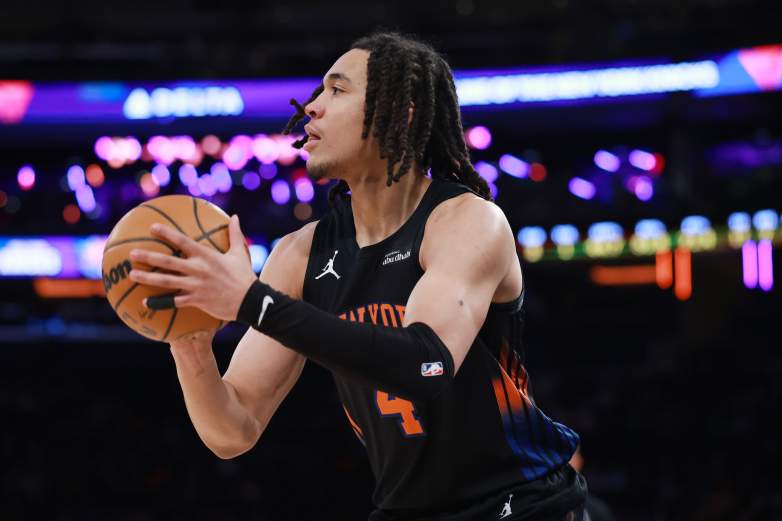
Brooklyn would need sufficient cap space or an existing trade exception to absorb Dadiet without returning salary.
The 21-year-old forward still offers developmental intrigue. Selected No. 25 overall in 2024, Dadiet averaged 23.1 points in the G League but has struggled to establish himself in the Knicks’ veteran-heavy rotation.
New York’s championship timeline affords little patience for another long-term development project. Brooklyn is better positioned to give Dadiet minutes and evaluate whether his size and scoring can translate consistently against NBA competition.
The Knicks should not attach more than one second-round pick. Dadiet’s age and production give him some value, even if New York’s financial urgency weakens its leverage.
For the Knicks, the trade would be less about abandoning a prospect than reallocating resources. One developmental roster spot would become two veteran contributors—and leave the door open for a third addition when the games matter most.
Knicks Trade Pitch Opens Door for 2 Veterans—and Another Move