
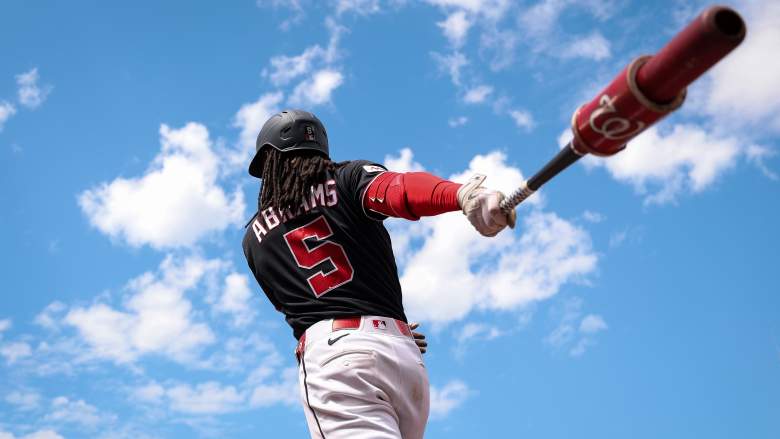
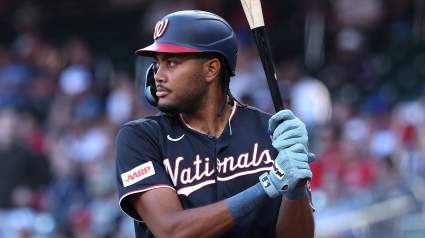
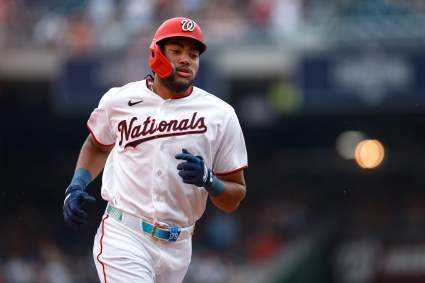
CJ Abrams and James Wood gave the Washington Nationals two Silver Slugger finalists on Thursday. The award announcement put their bats in the same conversation, but the Nationals face two different clocks if they want to keep them in Washington. Abrams can reach free agency two years before Wood.
Jim Bowden wrote in his offseason assessment for The Athletic that the Nationals would try to extend both players, according to Brad Wakai of Washington Nationals On SI. Paul Toboni also discussed Abrams and the team’s direction on 106.7 The Fan. These developments give Washington’s offseason a starting point, though the timing and terms of any offers remain uncertain.
CJ Abrams Has Two Seasons Left Before Free Agency
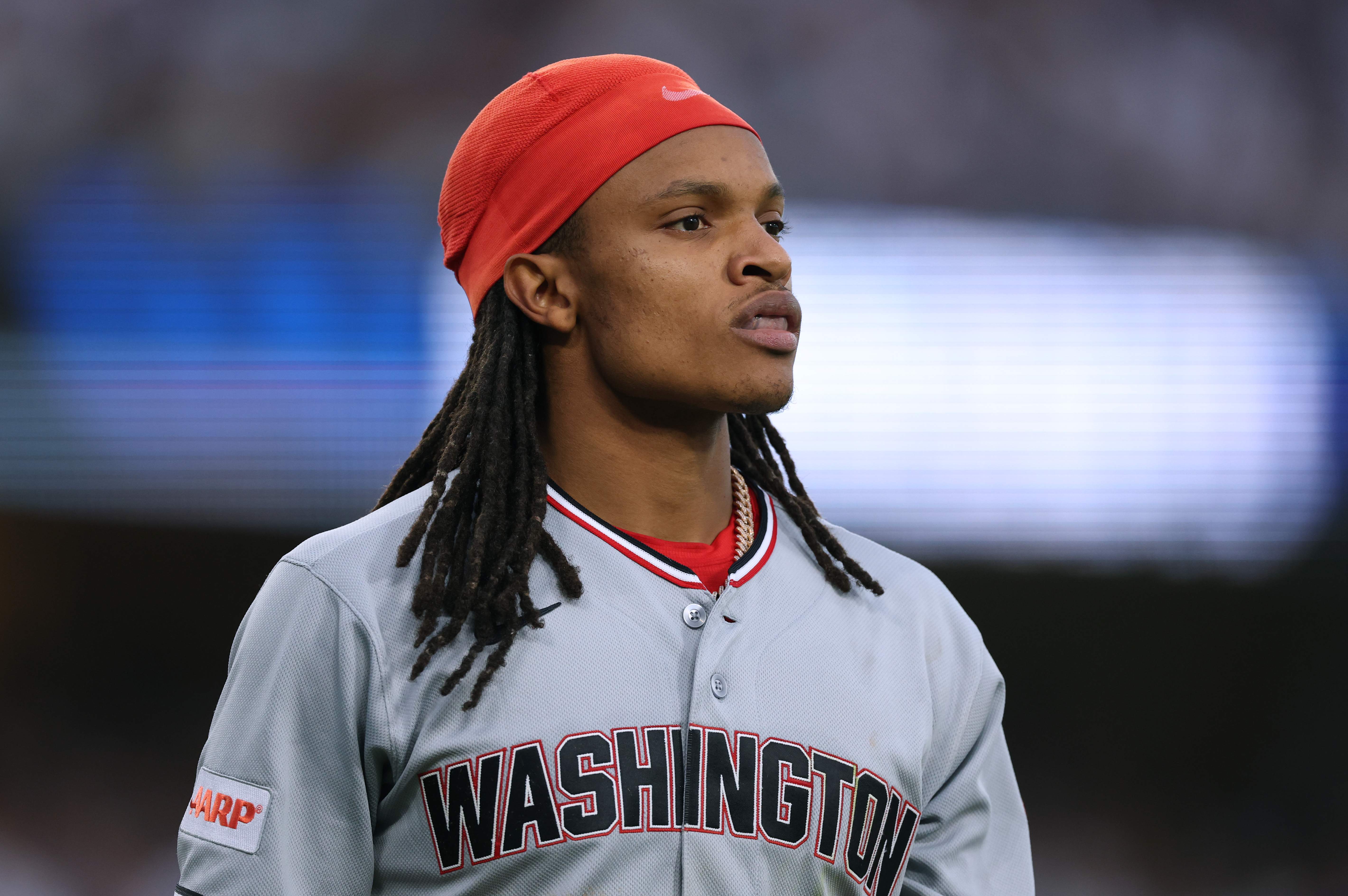
Under the current service-time rules, Washington controls Abrams through 2028. Baseball-Reference lists Wood as eligible for free agency in 2031, giving the team four more seasons of control entering this winter. By next offseason, Abrams would have one season left, and Wood would still have three.
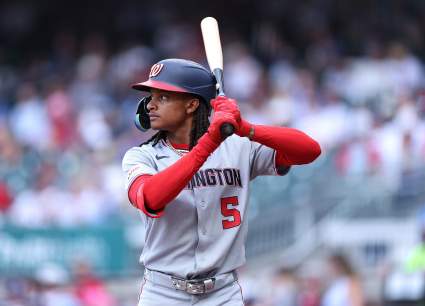
That gap matters after Abrams hit 33 home runs and stole 34 bases in 2026. He earned $4.2 million in his first arbitration year, and his breakout gives him a stronger salary case the second time through. Washington can negotiate an arbitration salary separately. An extension would answer the bigger question of who controls his seasons after 2028.
Waiting until next winter could give Washington another season to see whether Abrams sustains that power. It would also give the club less time to explore a trade if talks stalled. Even a club that plans to keep Abrams benefits from learning his price this winter.
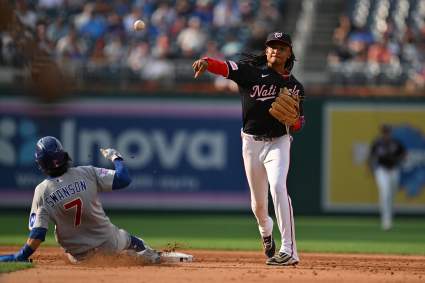
There is also a positional decision to settle. Washington tried Abrams at second base this summer. The club can value his bat in either spot, but the position it envisions for him over several seasons will shape how it builds the rest of the infield. That makes the role worth discussing alongside the years and money.
James Wood Gives Washington More Time to Work
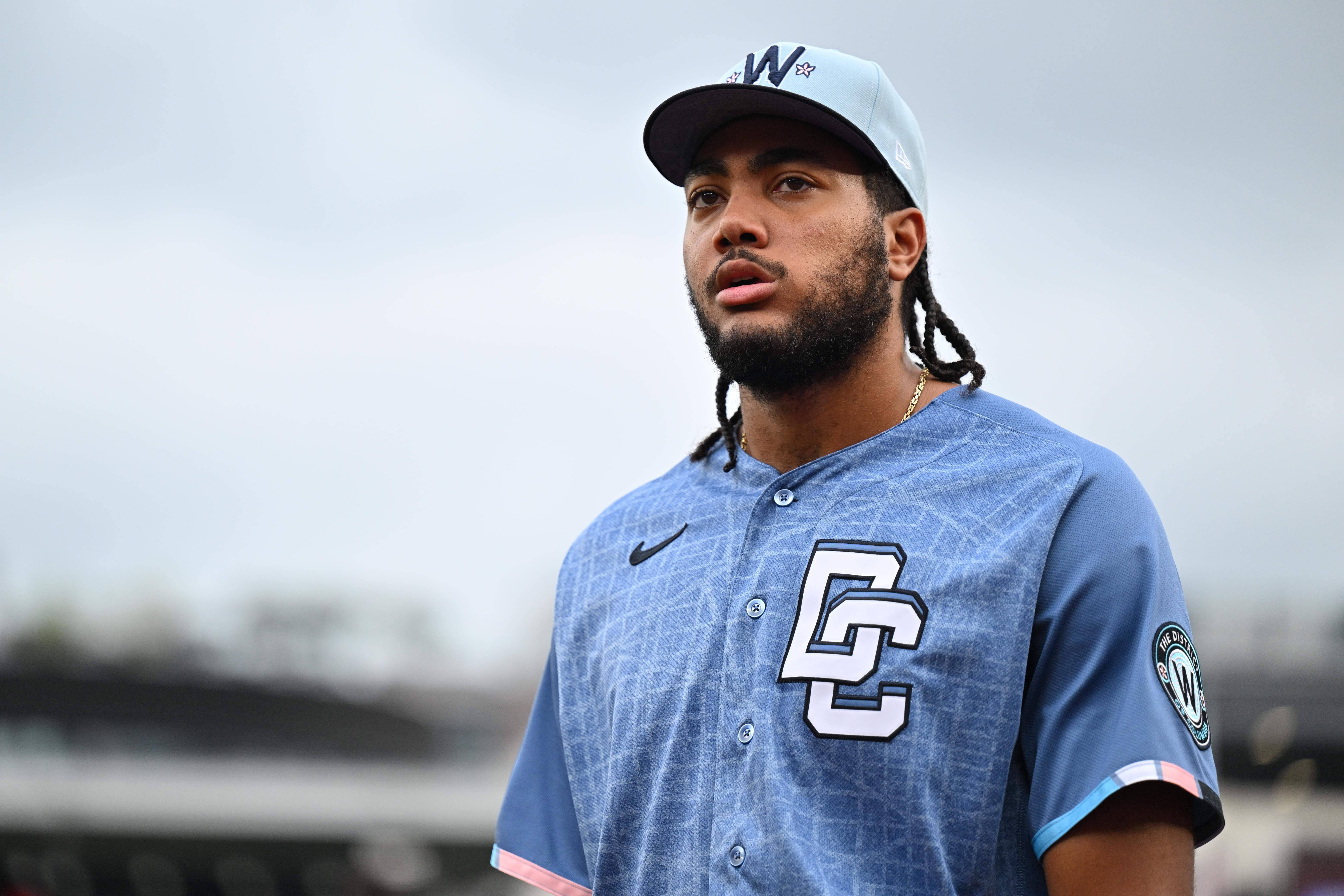
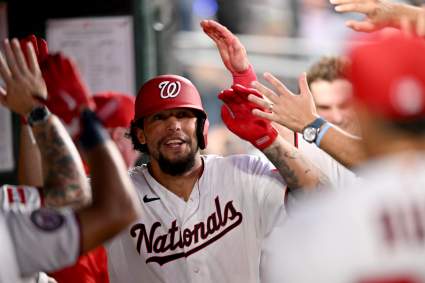
Wood has a strong case for a long-term commitment. He hit 30 home runs with an .891 OPS and drew 102 walks in 135 games. An early extension could give him guaranteed money before arbitration and give Washington cost certainty if his production continues. The team can make that offer while it still has several seasons to revisit the conversation.
Cade Cavalli’s September extension shows how Washington can structure one of these deals. It guarantees four seasons through 2030 and gives the Nationals a club option for 2031. For Abrams, the key number is how many seasons a deal would buy beyond 2028. For Wood, the price of buying those later seasons matters more than getting a deal done first.
Toboni can pursue both conversations this winter. Starting with Abrams would give Washington its earliest read on whether a player who already drives the lineup can also anchor it beyond the next two seasons.





Why a CJ Abrams Extension Is More Urgent for the Nationals