
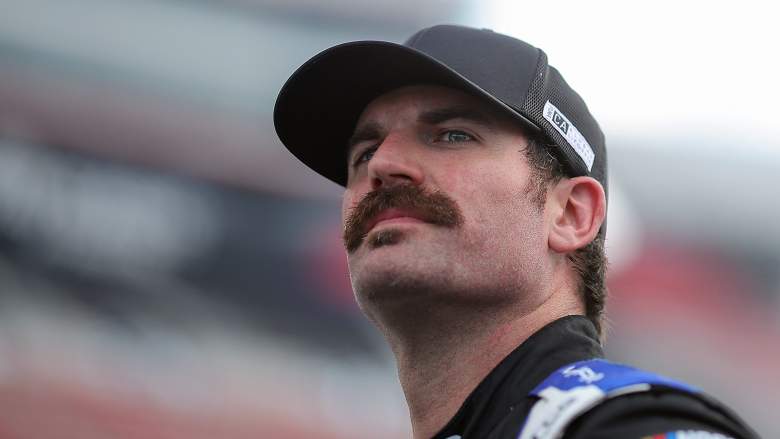
Corey LaJoie has a question for some of the biggest names in sports media, and he isn’t keeping it to himself.
The NASCAR veteran took to social media Saturday, Oct. 10, to voice his frustration with what he sees as a lack of coverage from major media companies. His comments came as the sport continues to digest one of its biggest developments of the year: Brad Keselowski’s impending departure from RFK Racing.
With Keselowski’s future generating significant interest throughout the NASCAR garage, LaJoie noticed something about the reporters covering the story.
And he wanted to know why.
His post quickly sparked a larger conversation about NASCAR’s media landscape, the rise of independent outlets and whether traditional sports media companies are giving the sport the attention it deserves.
Corey LaJoie Questions Why Major Media Companies Have ‘Deserted’ NASCAR
LaJoie shared his frustration on X Saturday afternoon, pointing specifically to the media presence surrounding Keselowski as he addressed questions about his NASCAR future.
“With all due respect to the men and woman media who cover the sport, I’m genuinely curious why the large media companies have deserted @NASCAR. The @keselowski news is biggest story in recent memory and he’s in the media center surrounded by non affiliated youtube channels,” LaJoie wrote.

The timing was hardly coincidental.
Keselowski’s upcoming departure from RFK Racing has become one of the biggest stories of NASCAR’s 2026 season. The former Cup Series champion, who joined the organization as a driver and co-owner in 2022, is preparing for an uncertain next chapter while making it clear that he still wants to compete at NASCAR’s highest level.
Speaking with reporters at Charlotte Motor Speedway on Saturday, Keselowski addressed his confidence in his driving ability, the competitiveness of RFK’s equipment and the opportunities that could await him beyond 2026.
Those comments gave reporters plenty to discuss. But for LaJoie, the bigger question wasn’t what Keselowski had to say. It was who was there to cover it.
His frustration centered on the apparent absence of larger sports media organizations at a time when NASCAR had a major story unfolding.
LaJoie also made a point of acknowledging the journalists who continue to cover the sport.
His criticism was directed at the companies he believes have stepped away, rather than the independent reporters doing the work.
Still, the wording of his post opened the door to a broader debate about what NASCAR coverage should look like in 2026.
LaJoie’s Comments Spark Conversation About NASCAR’s Changing Media Landscape
There was a time when following NASCAR meant turning to major television networks, newspapers and established sports publications for the latest developments.
Those outlets still have a place in the sport, but the way fans consume NASCAR news has changed considerably.
Independent websites, podcasts, YouTube channels and social media reporters now play a substantial role in covering the garage, interviewing drivers and breaking down developments that might otherwise receive limited attention.
That shift helps explain why LaJoie’s comments struck a nerve.
For some, his post raised a legitimate question about whether major media companies are investing enough resources in NASCAR journalism. For others, the presence of independent reporters covering Keselowski’s future was evidence that the sport continues to attract dedicated journalists, even as the industry changes.
The distinction is important. A reporter’s affiliation with a major network doesn’t automatically determine the quality of their work, just as operating an independent outlet doesn’t diminish a journalist’s credibility.
LaJoie’s post also comes at a particularly interesting moment for NASCAR.
The sport has expanded its television presence across multiple broadcast and streaming partners, creating new ways for fans to watch races. But broadcasting races and investing in year-round journalism are two different things.
And that appears to be the disconnect LaJoie is questioning.
His post wasn’t accompanied by specific audience figures or staffing numbers, so it doesn’t establish that major media companies have abandoned NASCAR coverage. What it does reveal is his concern about the visibility of the sport’s biggest stories beyond its dedicated fan base.
Whether others agree with his assessment or not, LaJoie has raised a question that extends well beyond Keselowski’s future.
NASCAR has no shortage of stories worth telling. The debate is over who’s telling them, who’s reaching the audience and whether the sport is receiving the broader attention it deserves.
NASCAR Driver Calls Out Media in Blunt Social Media Post