
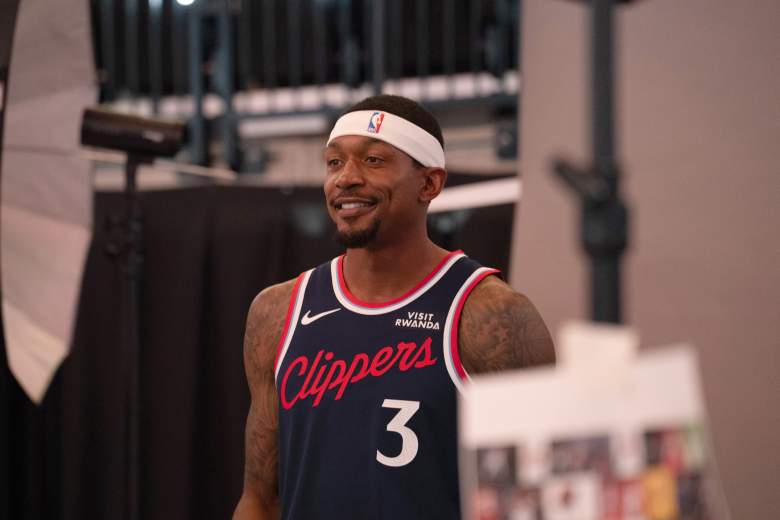
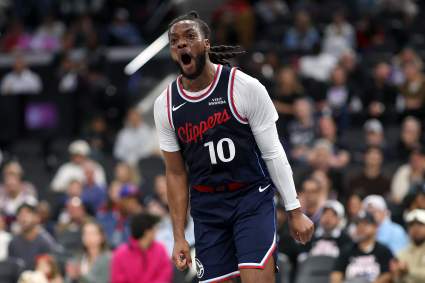
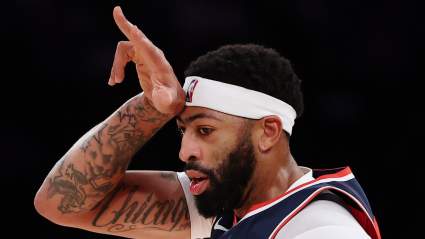
The Los Angeles Clippers have had two of their top veteran scorers out of action in the early going, including Bradley Beal.
The Clippers already have a new look this season after trading away Kawhi Leonard in the offseason.
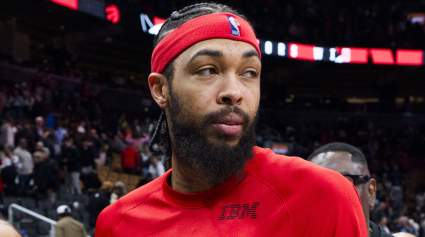
But they haven’t gotten to start the campaign at full strength. Brandon Ingram and Bradley Beal are both out.
That will remain the case on Sunday when the Clippers take on the high-powered Oklahoma City Thunder.
Beal’s absence in particular has been a little confusing.
Why Isn’t Bradley Beal Playing?
Beal remains out due to injury, but it’s the designation from the Clippers which is unusual.
The veteran is listed as out with right knee injury management.
Sunday is the third consecutive game for which Beal has that mark on the NBA’s official injury report.
Generally, NBA teams use the word “management” in their description for players who are missing just a one-off game.
But Beal has been listed with that description for every game this season so far, and he still hasn’t played.
Kobe Sanders and Gradey Dick are playing more with Beal out.
Tough Spot for Clippers
The Clippers find themselves in a tough spot.
They had committed themselves to a core of Leonard and James Harden, and now both have been traded away.
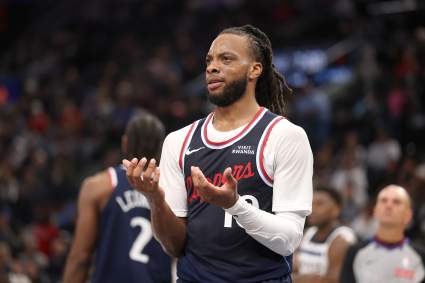
That means they’re now building around Darius Garland, but he doesn’t even have the Clippers’ former star center, Ivica Zubac, who they traded to the Indiana Pacers.
The offseason trade of Leonard that brought back Ingram was meant to at least keep the offense in a similar position, with Ingram able to do a lot of what Leonard can do. But Ingram hasn’t played so far.
And Beal at this point is a player who is past his prime. The Clippers seem like they’ve had a few of those in recent seasons.
At this point, Beal apparently has a beat-up enough knee that he has to miss all the games to start the season for what they’re terming “injury management.” That can’t be a good sign for his ability to make contributions later in the season.
Why Isn’t Bradley Beal Playing? Explaining Clippers Absence, Injury Return Timeline