

The Pittsburgh Pirates have reached another offseason in which the conversation should center on what they can add. There are opportunities to improve the roster, reasons to build around their best players and a fan base waiting for ownership to show more urgency.
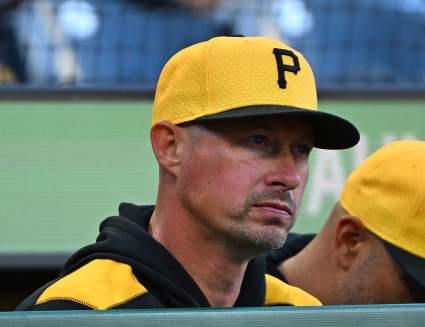
Instead, a familiar concern is creeping into the discussion before the winter has truly begun. Pittsburgh’s willingness to spend remains a question, and the latest comments from general manager Ben Cherington will do little to quiet those doubts.
Cherington offered reassurance when discussing the team’s financial flexibility. However, the explanation that followed gave frustrated fans plenty of reason to wonder whether another round of spending excuses is coming.
Ben Cherington Acknowledges Pirates’ Financial Commitments
Asked about Pittsburgh’s flexibility this offseason, Cherington pointed to a different financial situation than the one the team faced last year. Arbitration raises, Brandon Lowe’s qualifying offer and longer contracts are all part of that picture.
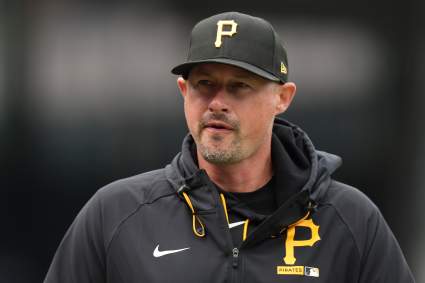
“I don’t feel like we’re hamstrung or constrained,” Cherington stated, per the Pittsburgh Post-Gazette’s Colin Beazley.
That sounds encouraging on its own. A team like the Pirates that is supposed to be serious about improving should have room to address weaknesses even as existing players become more expensive.
Cherington’s next comments, however, introduced a qualification.
“But it is a different offseason, as you said. There are different commitments on the books and a different arbitration class, and I think it will have some effect on how we approach getting better. But that part’s not changing. That’s our priority,” Cherington said.
The concern lies in his acknowledgment that those commitments will affect Pittsburgh’s approach.
Arbitration raises are predictable expenses. Longer contracts also represent commitments the front office knowingly made. Those costs should be part of a plan that allows the Pirates to retain useful players while continuing to improve.
For a club with Pittsburgh’s spending history, hearing those obligations emphasized invites an obvious question: Will ownership provide additional money, or will Cherington have to squeeze improvements into whatever remains?
His comments do not answer that question. They also do not establish that the Pirates will avoid meaningful additions.
However, saying the team has flexibility offers little comfort without knowing whether that flexibility can produce the upgrades Pittsburgh needs.
Fans Need Much More Than Another Spending Explanation
The Pirates cannot treat the rising cost of their existing roster as an accomplishment that replaces adding talent.
Keeping players and improving the team are connected responsibilities. Fans should not have to accept one as a substitute for the other, particularly when the roster already has needs.
The Pirates general manager said getting better remains the priority. The coming months will show how much support he receives to pursue that goal.
For now, his remarks leave room for concern because Pittsburgh has given its supporters ample reason to question spending promises.
There is a difference between having enough flexibility to make transactions and having the backing to make consequential improvements. Until the Pirates demonstrate the latter, references to arbitration raises and existing commitments will sound less like routine planning and more like preparation for another disappointing winter.












Pirates’ Cheap Habits Resurface In Troubling Offseason Update