
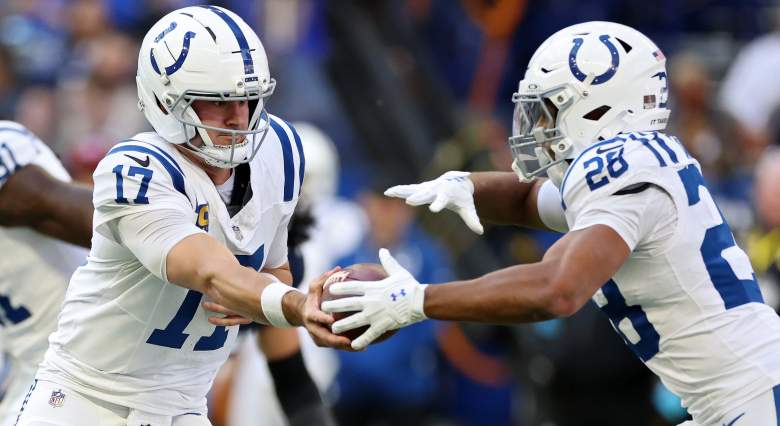
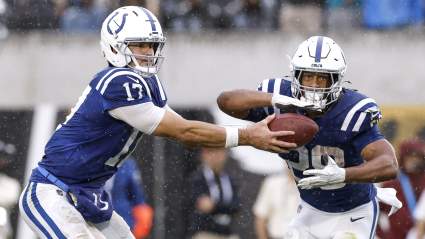
Jonathan Taylor remains one of the Indianapolis Colts’ biggest offensive weapons, but keeping him on the roster only accomplishes so much. The veteran running back needs help to produce. After a major change up front, there is growing reason to question whether Indianapolis can give him enough of it.
The Colts held onto Taylor through the trade deadline, leaving him with an important role in their offense. However, another personnel decision deserves attention when evaluating what fans should expect from him down the stretch.
Trading a running back’s best blockers comes with consequences. Taylor’s recent production offers an early glimpse at how difficult the adjustment could become.
Taylor’s Numbers Raise Concerns After Quenton Nelson Trade
The concerns begin with the space Taylor has available when he takes a handoff. The following assessment from ESPN highlights how his recent struggles have coincided with Quenton Nelson’s departure from the Colts:
“Jonathan Taylor has been below 50 rushing yards and 10 fantasy points in the two games since the Colts traded Quenton Nelson. The Colts’ offensive line is struggling to create running lanes and it has led to Taylor having just one explosive run in those two games.”
That is a difficult combination for Indianapolis. Limited running lanes make consistent gains harder to find. Without bigger runs to offset those short carries, Taylor has fewer opportunities to rescue an otherwise quiet afternoon.
Two games cannot establish everything about the trade’s long-term impact. Opponents, play selection and game situations also influence a running back’s production. Nevertheless, the timing gives the Colts a problem they cannot simply dismiss.
Nelson’s absence also puts more pressure on the players tasked with replacing his work. Indianapolis needs its blocking to hold up across the line. Taylor cannot consistently turn crowded rushing lanes into productive possessions by himself.
His fantasy output reflects the problem, but the football implications extend beyond disappointed managers. An ineffective running game can leave the offense facing longer third downs. That makes sustaining drives harder and increases the burden on the passing attack.
Colts Need More Than Jonathan Taylor’s Talent
Keeping Taylor gives Indianapolis a proven option in the backfield. Getting useful production from that decision requires the coaching staff to address what is happening ahead of him.
That could mean adjusting blocking assignments, changing the runs being called or finding other ways to get Taylor into space. Whatever the answer, repeating an approach that produces little room leaves too much dependent on individual brilliance.
There is also a difference between giving the Colts Taylor carries and giving him productive opportunities. A steady workload will not solve the problem if defenders repeatedly meet him before a play develops.
The next few games should help clarify whether this is a temporary adjustment or a more persistent issue. For now, the early returns deserve scrutiny.
Indianapolis chose to move Nelson while retaining Taylor. Those decisions now intersect every time the Colts hand their running back the ball. If the blocking does not improve, Taylor could spend the remainder of the season fighting for yards that once came much easier.





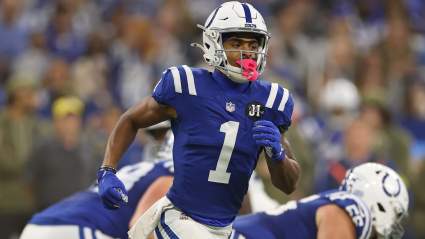
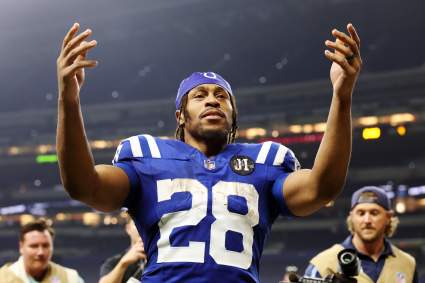
Colts’ Jonathan Taylor Faces Troubling Trend After Major Trade