
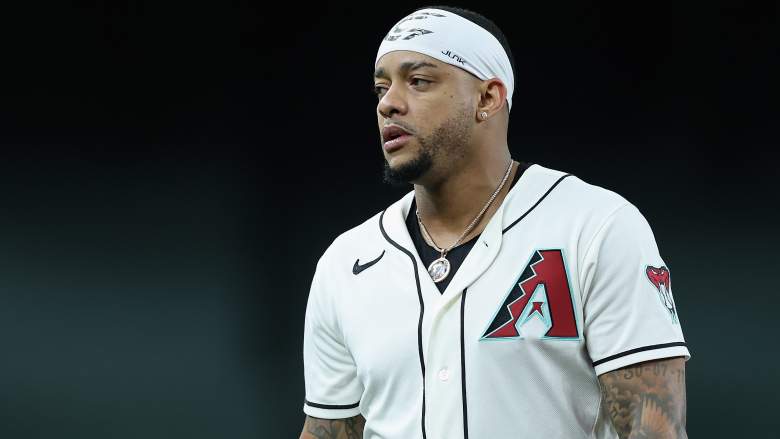
The Arizona Diamondbacks have intensified trade discussions involving Ketel Marte, putting a consequential roster decision back in focus.
Francys Romero reported November 24 for Beisbol FR that Arizona remained engaged in talks and had increased conversations over the previous three days while seeking a trade partner for the three-time All-Star.
That development advances the discussion beyond simply listening to offers. However, Romero’s publicly available report does not identify an agreed deal or establish that a trade is imminent.
For Arizona, the central question is what comes after Marte leaves. A transaction that reduces future obligations can still weaken the 2027 roster unless the return and subsequent spending replace enough of his value.
A sensible comparison includes both versions of the team: Arizona with Marte, and Arizona with the incoming players, his replacement, and whatever reinforcements the savings can actually fund.
Ketel Marte’s Contract Creates Two Different Calculations

Spotrac lists Marte’s 2027 salary at $13.75 million, followed by $20 million in 2028 and $22 million in both 2029 and 2030. His contract also includes an $11.5 million player option for 2031.
Those figures create an important distinction between next season’s flexibility and the longer commitment a buyer would assume.
Arizona would shed its lowest remaining salary before 2031. The larger financial benefit comes in later seasons, when Marte will be older and his scheduled salary rises.
That matters when evaluating a proposed return. Taking on the contract carries value for the Diamondbacks, but clearing future money does not automatically supply a productive second baseman or dependable innings next April.
Actual savings would also depend on any salary Arizona retains and the contracts of incoming players. Treating Marte’s entire remaining commitment as immediately available spending money would overstate what a deal accomplishes.
Marte also holds trade-veto power through his 10-and-5 rights, as Arizona Sports explained. More conversations cannot guarantee more acceptable destinations.
Diamondbacks Must Account for the Offense They Lose
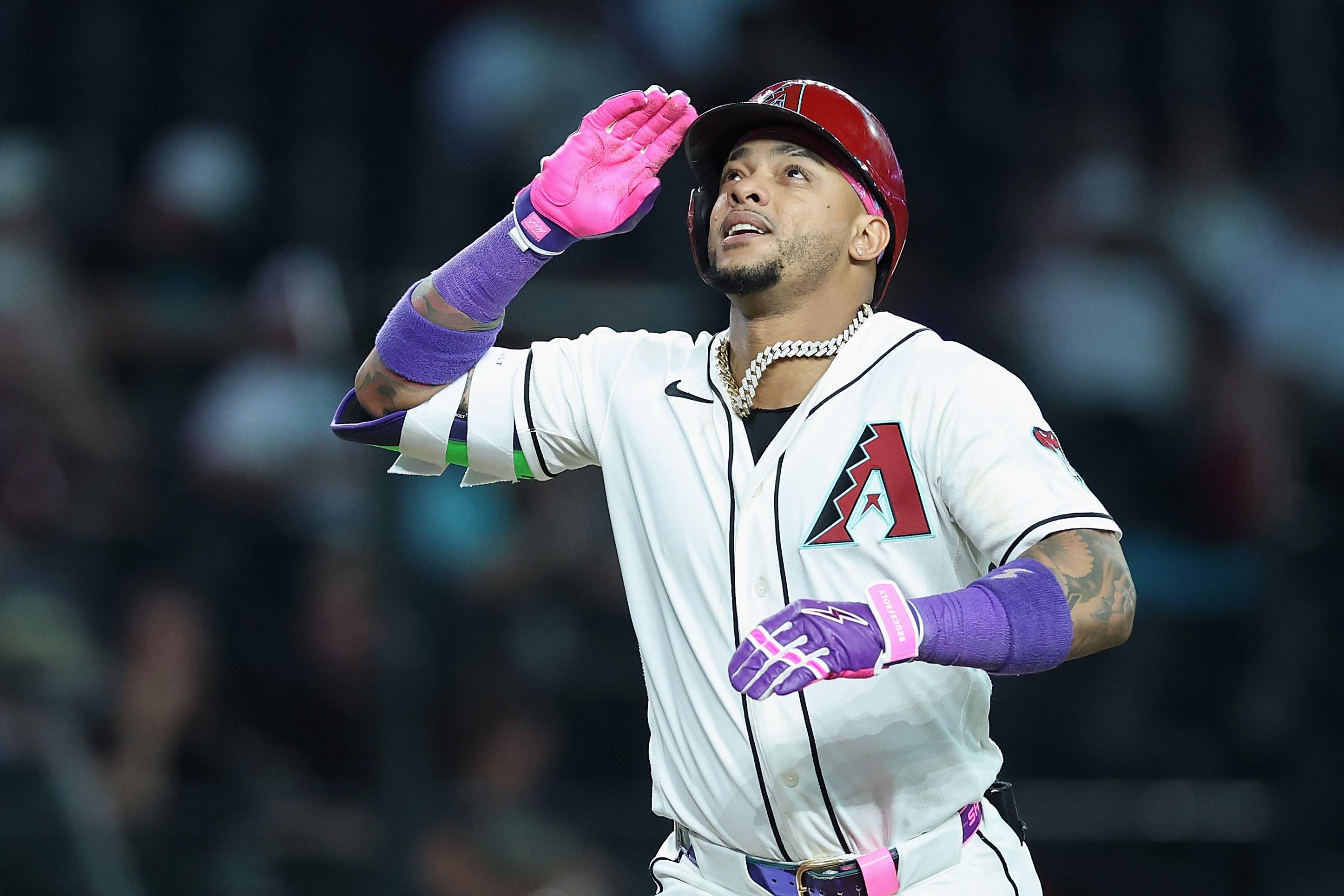
Marte’s official player statistics show a .249 average, .316 on-base percentage, .748 OPS, and 22 home runs in 2026.
That production leaves room for criticism, especially compared with his best seasons. It also gives Arizona something measurable to replace. Removing a productive hitter makes every pitching improvement work harder to lift the overall roster.
MLB.com’s Steve Gilbert identified bullpen help, rotation depth, and improvement against right-handed pitching among Arizona’s needs.
The strongest case for trading Marte therefore requires a connected plan: acquire pitching that can contribute soon, establish a credible second-base solution, and direct any usable savings toward another weakness.
A package built mainly around distant prospects would serve a different timetable. It could improve the organization’s future while leaving the immediate roster thinner. Arizona should acknowledge that tradeoff rather than treating every young player as immediate help.
Conversely, retaining some salary could make sense if it materially improves the talent coming back. The cheapest exit does not necessarily produce the strongest team.
Romero’s update makes those choices more pressing. The Diamondbacks should judge any agreement by the roster it leaves behind, including the cost of replacing Marte, before celebrating the money it removes from the books.














Diamondbacks Intensify Ketel Marte Trade Talks With a Costly Choice Ahead