

The Seattle Mariners have a familiar name worth considering as they search for help this offseason.
Bryan Abreu is officially available.
The MLB Players Association’s October 29 announcement lists the Houston Astros reliever among the players who became free agents following the World Series. For Seattle, that creates an opportunity to evaluate a pitcher who could strengthen the innings before the closer enters.
Adam Jude of The Seattle Times, in an October 25 analysis republished by The Spokesman-Review, identified Abreu among potential additions with experience in important relief situations.
That was a recommendation, not a report of negotiations. No verified Seattle offer or contact has been established here.
Abreu’s appeal starts with his ability to miss bats. His most recent season also supplies a reason for Seattle to look carefully before making a commitment.
Bryan Abreu Brings Strikeouts and a Clear Warning
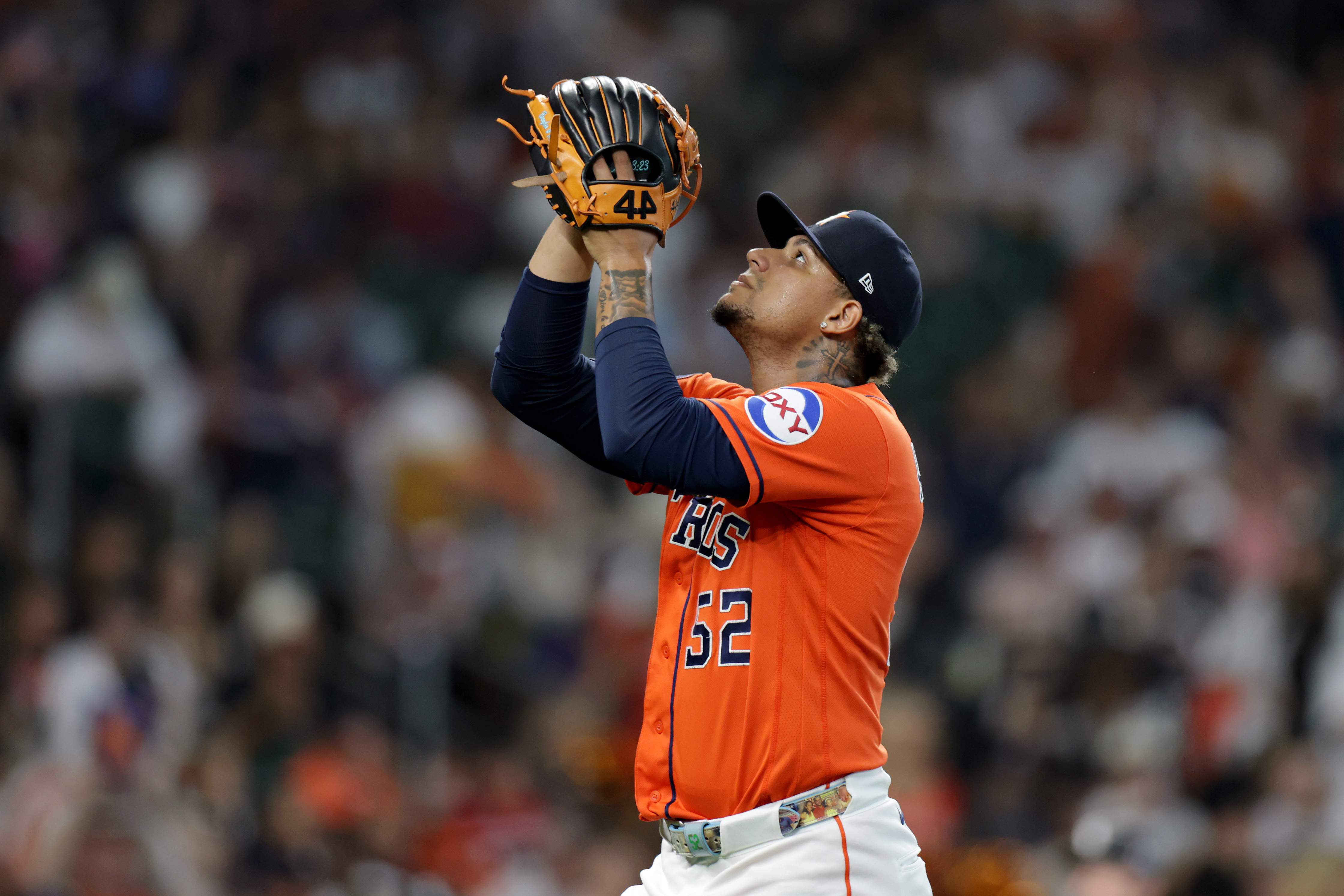
According to Baseball Reference, Abreu finished 2026 with a 3.73 ERA and 80 strikeouts across 62.2 innings. His career ERA stands at 2.82.
Those numbers suggest two different evaluations. His longer record supports the case for an experienced bullpen addition. His latest results show that buying the name alone would be a mistake.
The strikeouts remain useful. A pitcher who can end an inning without requiring a ball to find a defender gives his manager another option when runners reach base.
However, walks complicate that advantage.
Pitcher List’s season dashboard gives Abreu a 29.9% strikeout rate and a 15.3% walk rate. The latter raises a straightforward question: Can Seattle reasonably expect more consistent command?
A successful evaluation would examine why those walks occurred, whether his pitch execution changed, and how his current stuff compares with his best seasons. The available statistics identify the concern; they do not establish that Seattle can fix it.

How Abreu Could Fit Behind Andrés Muñoz
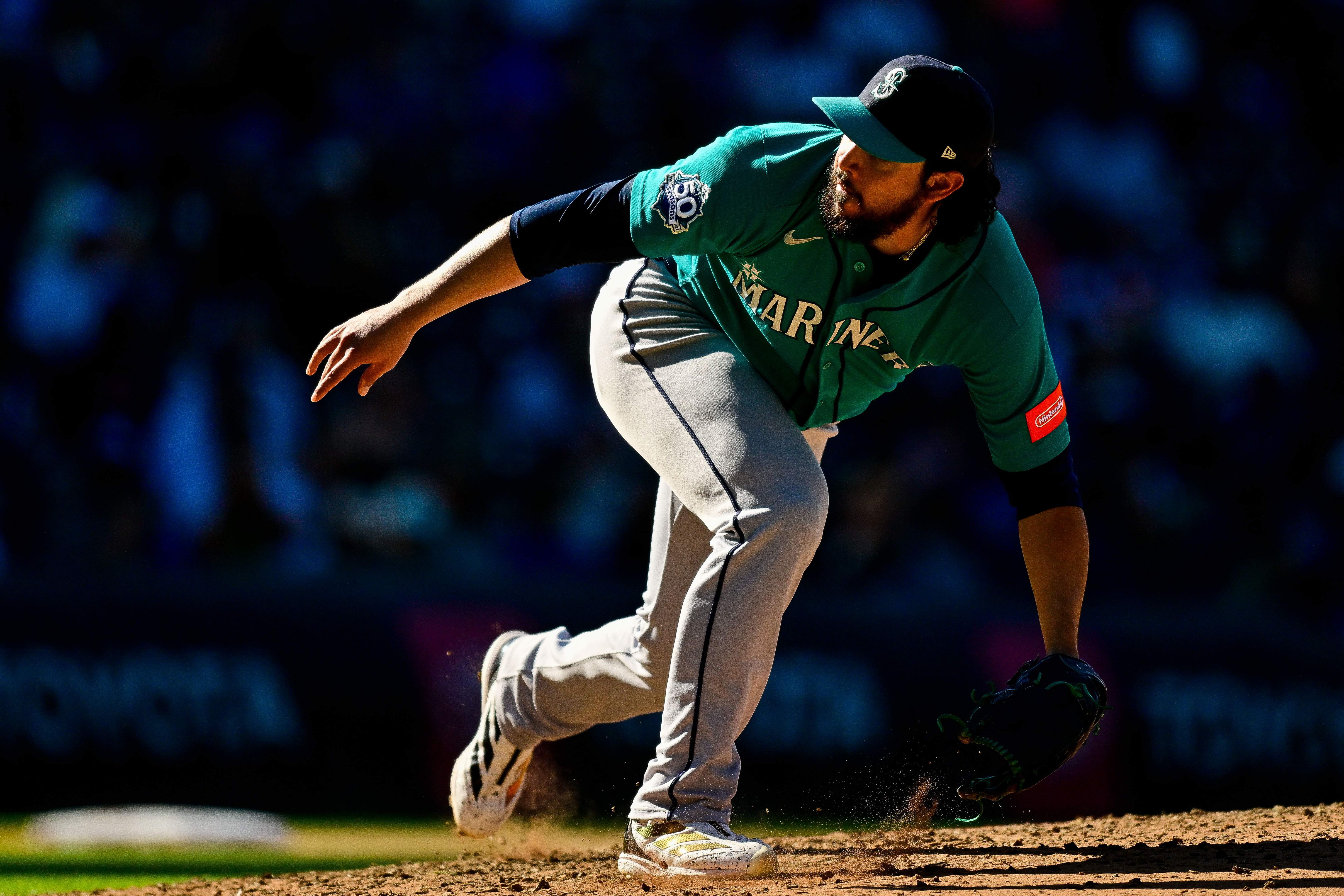
Seattle has already exercised Andrés Muñoz’s option, as FOX 13 Seattle reported October 29. That decision gives any bullpen pursuit a clear starting point.
Abreu would make sense as another late-inning option rather than a signing that requires Seattle to replace its closer.
There is also a practical advantage to evaluating a free agent: The Mariners could pursue an agreement without constructing a trade package or subtracting a prospect from another part of their roster.
The financial question remains unanswered. No verified contract demand or Seattle offer establishes what Abreu would cost.
That prevents calling him a bargain. It also prevents assuming his name guarantees an expensive deal.
The decision would also depend on how Seattle values relief spending against its lineup needs. A stronger seventh or eighth inning has value, but it cannot replace missing offense. The case for Abreu works best when he supplements a broader plan and the contract reflects the risk in his command.
Seattle should investigate the fit, compare the alternatives and keep its other roster needs in view. Abreu’s strikeouts make him interesting. His walks make the price and evaluation especially important.







Mariners Could Find Their Next Bullpen Weapon Across the Division