
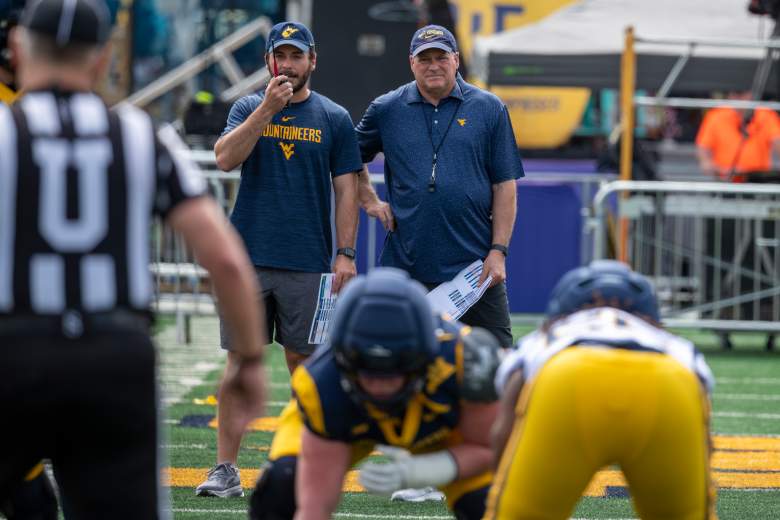
West Virginia head coach Rich Rodriguez has already tried changing the way his defense operates on game day. Unfortunately for the Mountaineers, the results have remained painfully familiar, and Saturday’s loss to Arizona appears to have brought the situation to another uncomfortable crossroads.
Following WVU’s 52-31 home defeat, Rodriguez was asked about the decision to move defensive coordinator Zac Alley into the press box rather than keeping him on the sideline. It was a noticeable adjustment for a defense desperately searching for answers, but the head coach’s response suggested the experiment did little to ease his concerns.
Rodriguez explained that Alley initiated the change and that he ultimately approved it. However, the Mountaineers’ inability to produce a different outcome left their head coach anticipating some difficult discussions.
“That was his, and I’m like, you know, I signed off on it, I guess,” Rodriguez said. “I’m not insane. We expected a different result and not change anything. But the result wasn’t any different, so we’ll have a lot of long conversations tomorrow.”
WVU’s Zac Alley Faces Growing Pressure After Another Defensive Collapse
Moving a defensive coordinator to the press box can provide a better view of opposing formations, developing plays and potential adjustments. For West Virginia, the hope was presumably that a different perspective could help a struggling unit identify problems more effectively.
Instead, Arizona scored 52 points, continuing a defensive stretch that has become increasingly difficult for Mountaineer fans to accept.
West Virginia has now surrendered 138 points over three consecutive losses to Oklahoma State, Iowa State and Arizona. That averages 46 points allowed per game, an unsustainable figure for a program trying to establish itself under Rodriguez.
The most revealing part of Rodriguez’s comments might not have been his acknowledgment that the press box experiment failed. It was his reference to the conversations awaiting the coaching staff.
That does not necessarily mean Alley is facing an immediate change in responsibilities. Rodriguez did not announce one. However, his remarks made clear that simply trying another game-day adjustment has not solved the underlying problems.
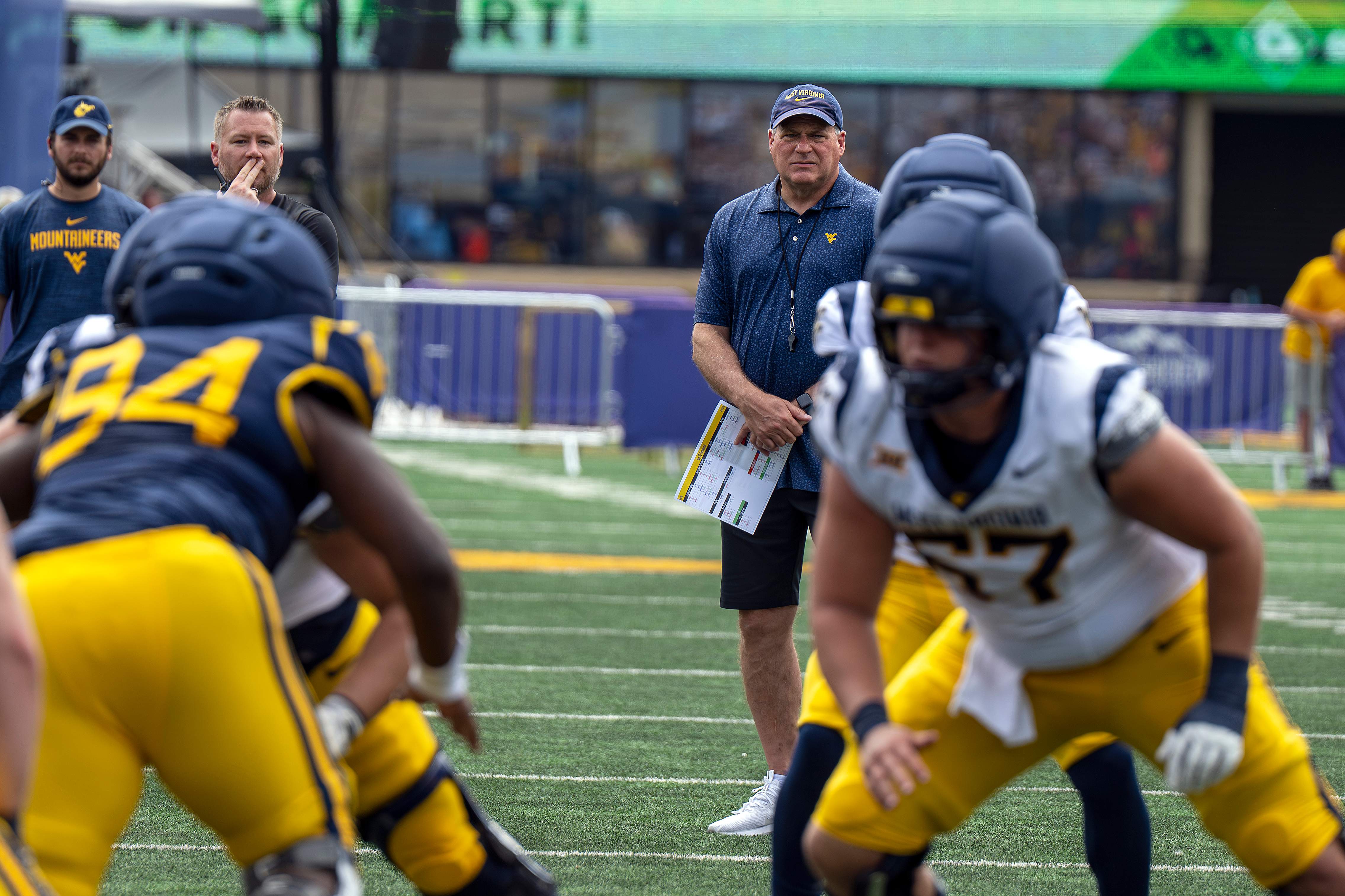
There is also a larger question worth considering. If moving Alley upstairs did not produce improvement, how much of West Virginia’s defensive struggles can realistically be addressed through changes in communication or positioning alone?
At some point, the Mountaineers must find answers involving execution, preparation and the effectiveness of their defensive approach. Rodriguez deserves credit for allowing his coordinator to attempt something different. But the responsibility for fixing this defense ultimately belongs to the entire coaching staff.
Those promised conversations could become some of the most important of West Virginia’s season. Because after three straight defensive disappointments, Mountaineer fans are no longer interested in where their defensive coordinator sits. They want to see whether his defense can finally stop somebody.
WVU’s Rich Rodriguez Hints at Tough Conversations Ahead for Defensive Coordinator Zac Alley