
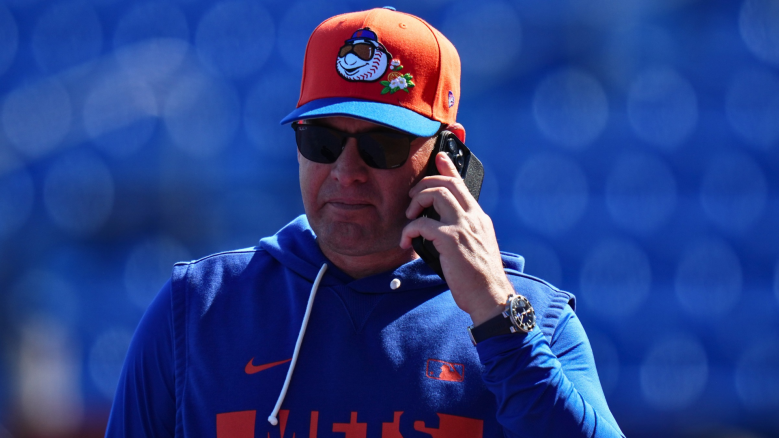
The New York Mets are not just losing games. They are forcing a decision.
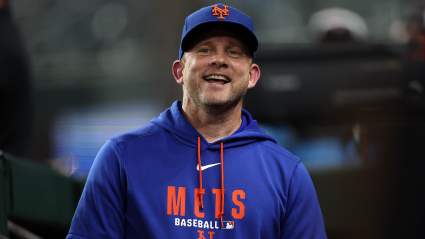
After a lifeless home sweep and a 9-19 start, the conversation has shifted from frustration to accountability. And according to Joel Sherman of the New York Post, manager Carlos Mendoza is no longer operating with the benefit of time.
This is no longer about patience. It is about perception. It is about whether the Mets can justify standing still while everything around them signals urgency.
And right now, the signals are impossible to ignore.
The League Just Changed the Standard
Timing has turned this from a bad stretch into a defining moment.
The Boston Red Sox dismissed Alex Cora at 10-17. That move reset expectations across the league. It told every underperforming contender that early intervention is now acceptable.
Then the Mets followed with their worst showing of the season.
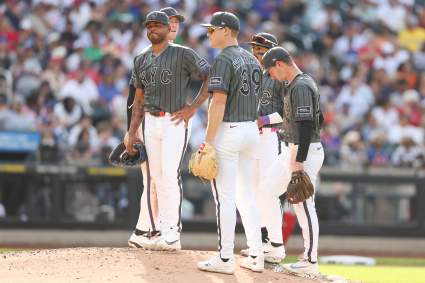
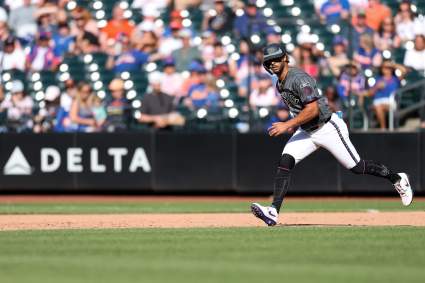
A home sweep against the Colorado Rockies erased any remaining cushion. The record dropped. The offense disappeared again. The atmosphere at Citi Field told the real story.
Fans checked out.
Boos turned into silence. Silence turned into sarcasm. That shift matters more than any box score because it reflects something deeper than losing. It reflects a loss of belief.
Ownership notices that. Front offices react to that. Managers often pay for that.

The Problem Goes Beyond Mendoza
Sherman’s column draws a critical distinction. This is not a simple case of poor leadership in the dugout.
The roster is broken.
The Mets invested heavily and built a team that does not function as a unit. The rotation lacks reliability. Underperforming starters keep cycling into relief roles without solving anything. The offense has become one of the least consistent groups in the league.
Situational hitting has collapsed.
Opportunities with runners on base continue to disappear. Strong pitching performances go wasted. Even when individual pieces work, the collective result falls apart.
That points back to roster construction.
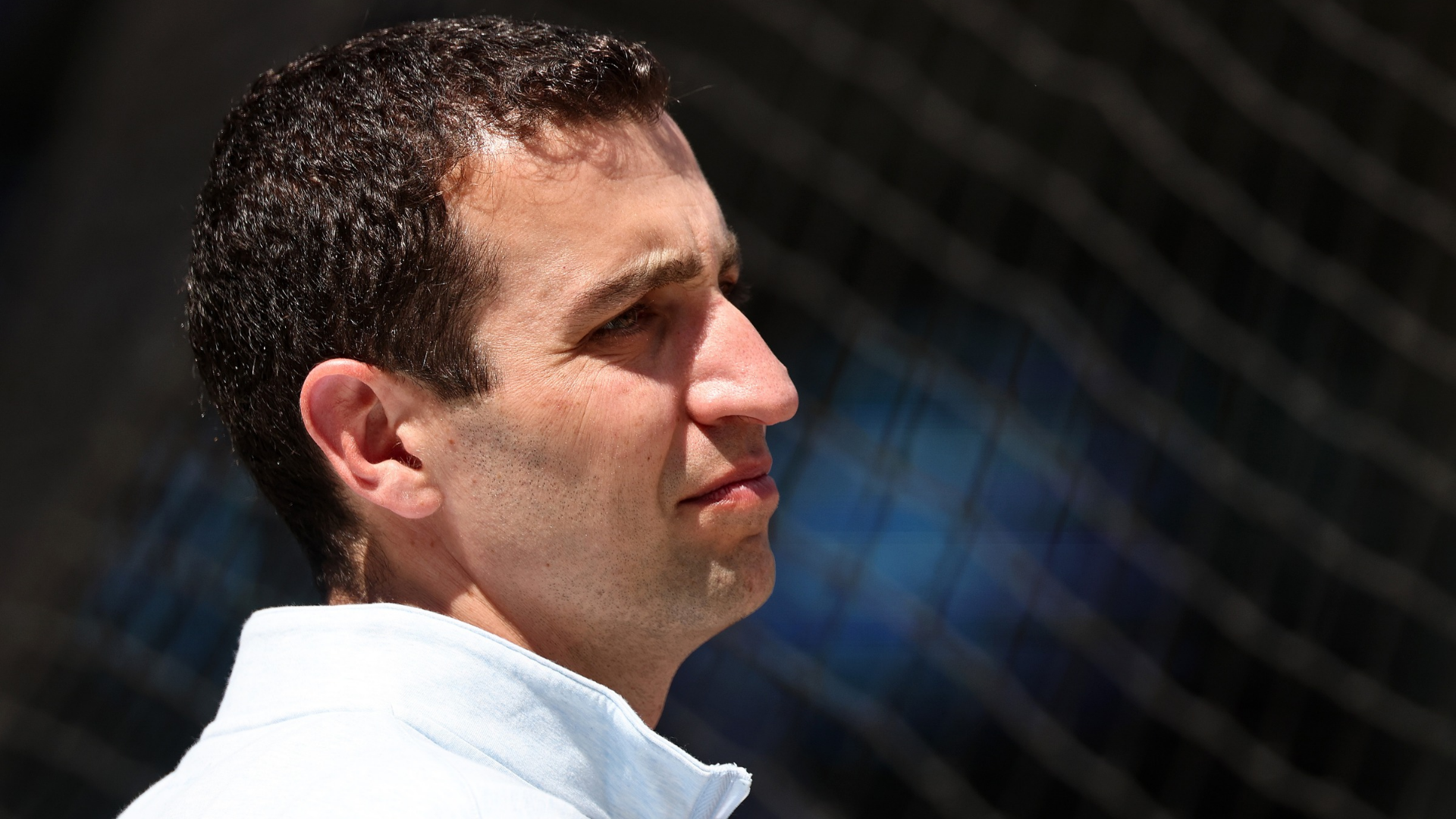
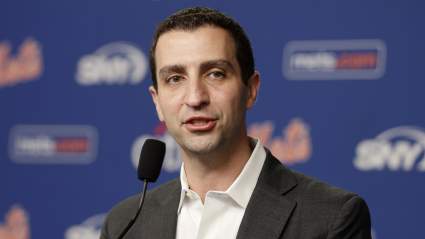
It points to David Stearns and the front office.
But front offices rarely absorb the immediate consequences. Managers do.
That is what makes Mendoza vulnerable even if he is not the root of the problem.

Silence From Leadership Is Its Own Message

The most revealing development might be what has not been said.
Neither Steve Cohen nor Stearns publicly backed Mendoza after the sweep. That absence of support leaves space for speculation. It invites questions the organization cannot control.
Inside the clubhouse, players continue to defend their manager. Juan Soto has pointed to execution rather than leadership. Mendoza has kept his focus on fixing results.
But public support does not always protect a manager.
Results do.
Right now, the Mets do not have them.

Why This Matters Now
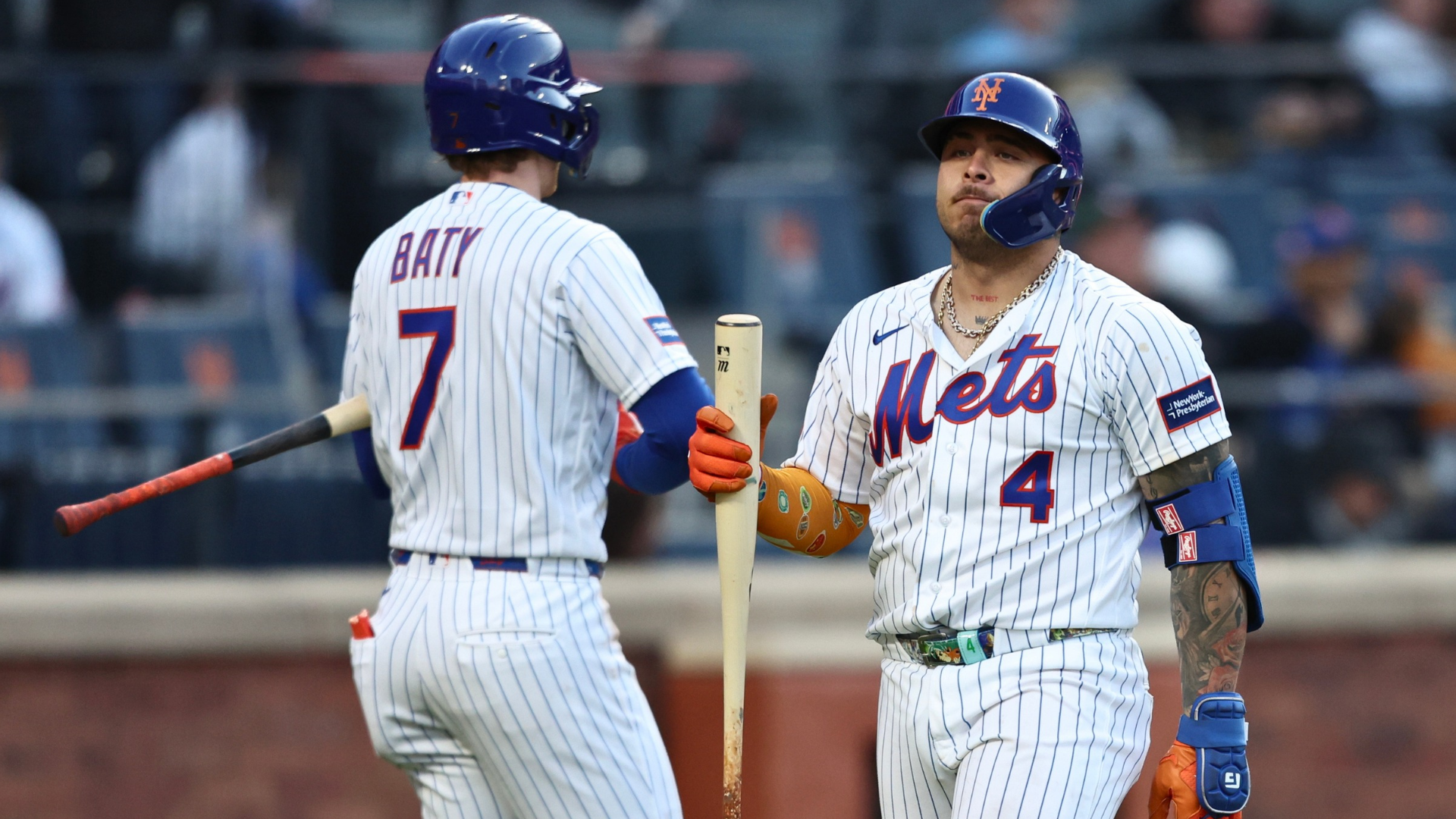
The Mets built this roster to contend immediately. The payroll demands it. The expectations demand it. The market demands it.
A 9-19 start forces a response.
Doing nothing risks sending the wrong message to a frustrated fan base. Making a move risks exposing deeper organizational flaws. That is the tension Sherman highlights.
There is no clean solution.
But there is a growing sense that inaction may no longer be sustainable.
Mendoza’s future may not be decided by whether he deserves to be fired. It may be decided by whether the Mets feel they need to act.
An off day creates a window. Continued losses will increase pressure. A sudden turnaround could buy time.
For now, the reality is simple.
The Mets are not just playing poorly. They are forcing a decision they cannot delay much longer.
And once that decision comes, it may say more about the organization than the manager.







Mets Running Out of Time on Mendoza, Says Insider