
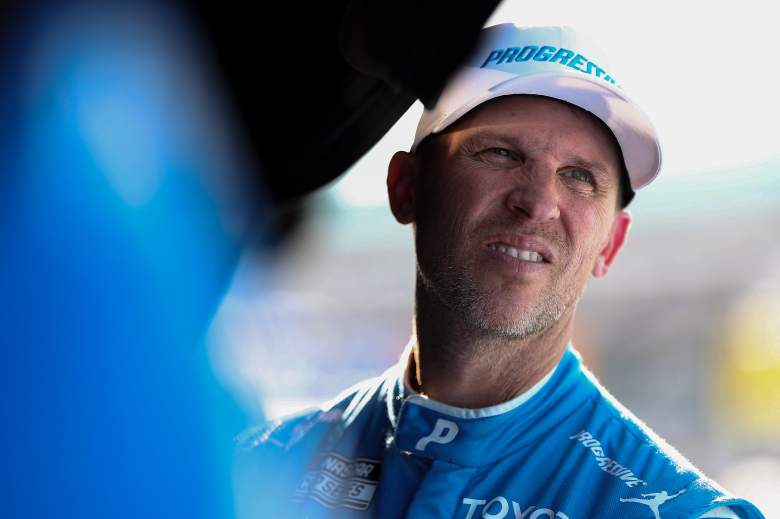
Denny Hamlin believes NASCAR has a bigger problem than its cars or championship format. The Joe Gibbs Racing driver says the sport is losing relevance among mainstream audiences and must change how it attracts new fans.
His comments came after the 2026 NASCAR Cup Series championship race at Homestead-Miami Speedway recorded lower television ratings than the previous year’s finale.
Speaking on the November 10 episode of his Actions Detrimental podcast, Hamlin called for better storytelling, stronger driver promotion and more effective television partnerships.
He believes NASCAR must become part of mainstream sports culture rather than continue relying on its existing fan base to support its growth.
Denny Hamlin Points to NASCAR Ratings Decline and Lack of Mainstream Appeal
Hamlin said NASCAR’s biggest problem is its lack of relevance to mainstream audiences. He dismissed suggestions that the car or championship format was the main reason behind the sport’s struggles.
“I think the sport’s biggest problem is relevancy. I don’t think it’s the car. I don’t think it’s the playoff format,” Hamlin said. “I think it’s that we are not relevant enough to the mainstream. We are a niche, and we are OK with being a niche. We need to be part of the culture, not just a sport that you watch on Sunday.”
His remarks came after the November 8 championship race at Homestead-Miami Speedway, where Kyle Larson clinched his third NASCAR Cup Series title.
The race averaged 2.471 million viewers on NBC, down approximately 11 percent from the previous year’s finale at Phoenix. NASCAR Cup Series viewership also averaged around 2.42 million viewers during the 2026 season, marking a decline of roughly 2 percent year over year.
Hamlin finished third in the final championship standings but believes NASCAR needs to focus on attracting people who do not regularly watch its races.
Hamlin Wants NASCAR to Improve Driver Stories and Television Promotion
The 45-year-old driver explained that technical discussions about cars, schedules and championship formats mainly appeal to existing NASCAR fans. He believes the sport must give casual viewers stronger reasons to follow its drivers.
“Those things matter to the hard-core fan, but they don’t matter to the guy who isn’t watching,” Hamlin explained. “That guy wants to know why he should care. He wants a story. He wants a villain. He wants a hero. He wants to know why Kyle Larson is better than everyone else.”
Hamlin also called for NASCAR to promote drivers’ personalities, rivalries and personal lives. He pointed to the sport’s Netflix series as a useful starting point but said similar storytelling should become part of regular race broadcasts.
He also questioned how NASCAR selects its television partners, arguing that promotional plans should carry more weight than the financial value of a media deal.
“There is absolutely no way I would sign a TV partner, no matter how much they paid, unless they had a very specific way of how they’re going to promote the sport,” Hamlin said.
He added that the promotional strategy was “far more important than any check that they write to you.”
Denny Hamlin Suggests Thursday Night Races as NASCAR Seeks Growth
Hamlin also discussed ways NASCAR could attract more viewers through its scheduling strategy. He suggested that the sport could make Thursday nights a regular part of its summer calendar.
“I know we tried the whole midweek night races thing, but there was no promotion behind that at all,” he said. “Why can’t we own Thursday night in the summer? You know, when it’s just baseball?”
He also acknowledged that NASCAR’s championship format differs from traditional head-to-head sports competitions. Hamlin said the Chase system provides a larger sample size for determining the champion.
“Our sport is different. It’s not this one-v-one and it’s either you or me,” he said. “We wanted a bigger sample size for the champion for it to feel right. I think it feels right.”
The 2026 season marked the first full year of NASCAR’s current media rights agreement, which spread races across broadcast television, cable and streaming platforms. Hamlin has previously raised concerns about reduced over-the-air exposure and its possible impact on television ratings and team revenue.
He entered the Chase as the points leader after recording four victories and a series-leading 24 top-10 finishes during the regular season. However, he failed to secure his first Cup Series championship.
NASCAR officials have also highlighted attendance and digital engagement as positive signs despite declining traditional television viewership. Hamlin, however, believes the sport needs a stronger approach to storytelling, promotion and mainstream exposure.
“It ain’t the car or the format. It’s much bigger than that. It’s way bigger than that,” he said.

NASCAR Cup Series Veteran Sounds Alarm Over NASCAR Ratings Decline With Blunt Warning About Sport’s Future