
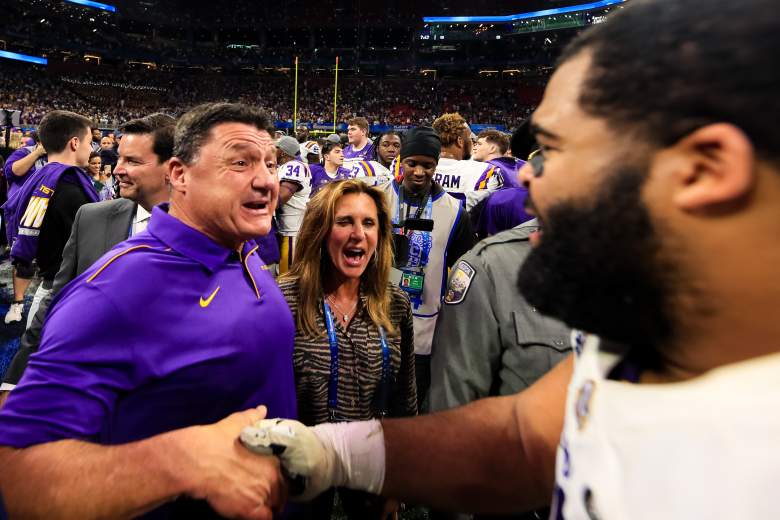
The former LSU defensive lineman Breiden Fehoko is urging athletes to stop taking creatine, linking the supplement to soft-tissue injuries in a strongly worded social media post. His warning emphasizes diet and sleep while questioning advice athletes receive about supplementation. However, his explanation of how creatine affects muscles does not match the available scientific evidence.
Fehoko, a member of LSU’s 2019 national championship team, shared the message on X. He compared muscles affected by creatine to inflated balloons and suggested they become vulnerable under stress. That claim deserves scrutiny before athletes treat it as established medical guidance.
Former LSU Champion Breiden Fehoko Shares Full Creatine Warning
“I’m telling all athletes…STOP TAKING CREATINE. You don’t need it. Stop putting that nonsense in your body. A good diet and proper sleep are best. Stop letting little Jimmy at the local Planet Fitness tell the top 1% of human bodies what to supplement. Creatine is like filling a balloon with air it looks bigger and better till it’s time to put it under stress. That’s why soft tissue injuries happen. Your muscles lack pure substance.”
The distinction is between Fehoko’s recommendation and his explanation. Athletes can choose not to supplement, and adequate nutrition and sleep remain priorities. But claiming creatine produces muscles lacking substance requires evidence beyond a comparison.
What Scientific Research Says About Creatine and Injuries
Creatine helps replenish ATP, the energy source cells use during demanding activity. Supplementation can improve repeated high-intensity exercise performance and support training adaptations. It does not function by filling muscle tissue with air.
Creatine can increase water within muscle cells, particularly during initial supplementation. However, that does not establish that muscles become structurally weaker or more susceptible to injury. A 2021 scientific review found that research did not support claims that creatine causes dehydration or muscle cramping.
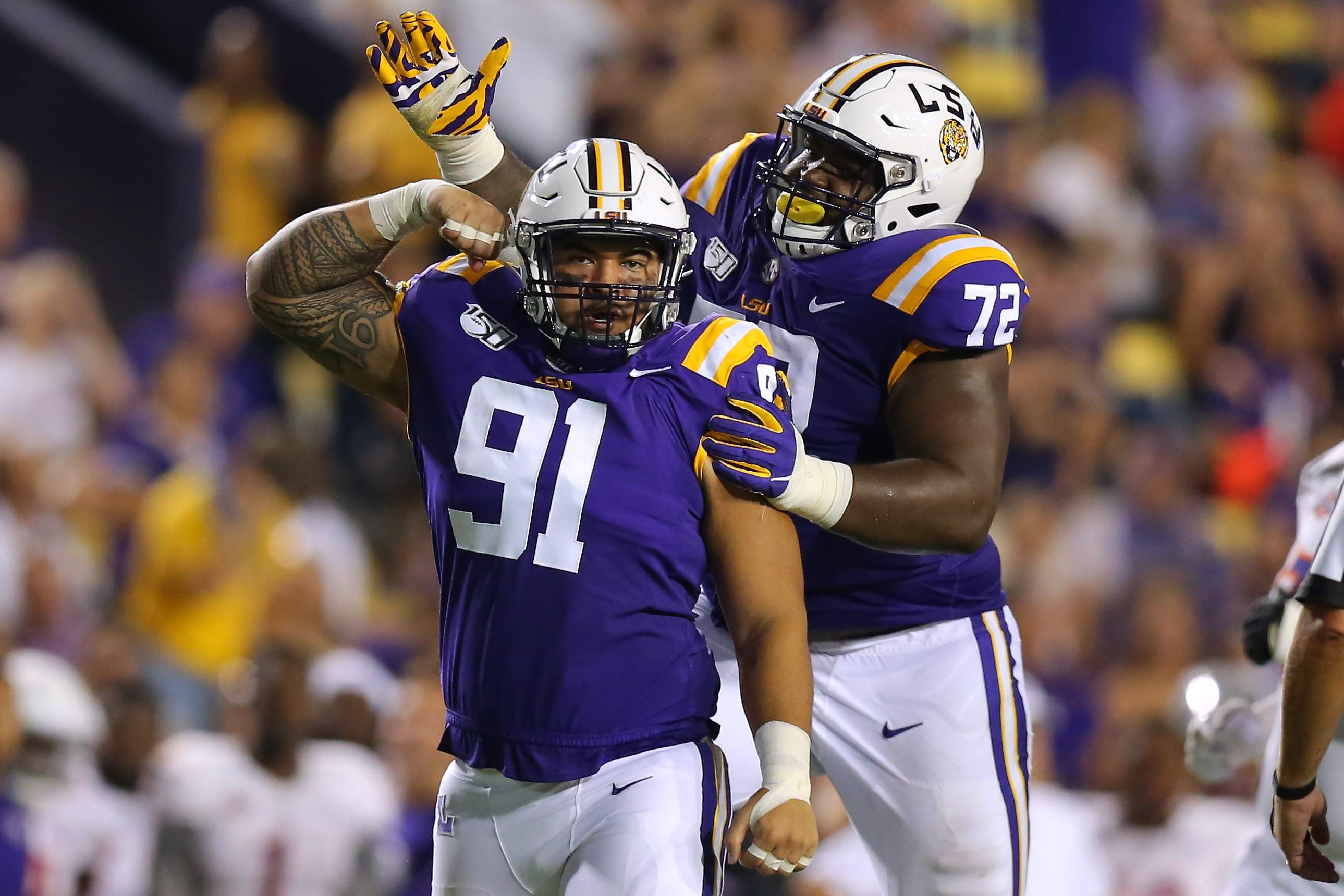
Research involving football players also challenges Fehoko’s injury explanation. A three-year study of Division I college football training and competition found that creatine supplementation did not appear to increase injuries or cramping. That finding directly contradicts the idea that using the supplement necessarily creates injury-prone muscles.
Those results do not mean creatine prevents every injury or suits every athlete. They also cannot establish what caused a particular player’s injury. Individual circumstances still matter when evaluating supplements.
Fehoko’s emphasis on basic recovery habits is reasonable. His blanket explanation connecting creatine to soft-tissue injuries, however, goes beyond what the cited research supports.










Former LSU National Champion Sends Urgent Warning to All Athletes Regarding Creatine