

Paul Skenes gave the Pittsburgh Pirates a tougher question in 2026: What needs to change for their ace to look dominant again?
His ERA climbed from 1.97 to 3.82, according to Baseball Reference. That increase demands attention, but the fastball numbers complicate a simple explanation built around lost velocity.
His final line leaves room for a more precise offseason diagnosis.
For Pittsburgh, that leaves a more useful offseason task: identify where the damage increased and which adjustments could help Skenes regain his previous effectiveness.
Paul Skenes’ Fastball Still Missed Bats
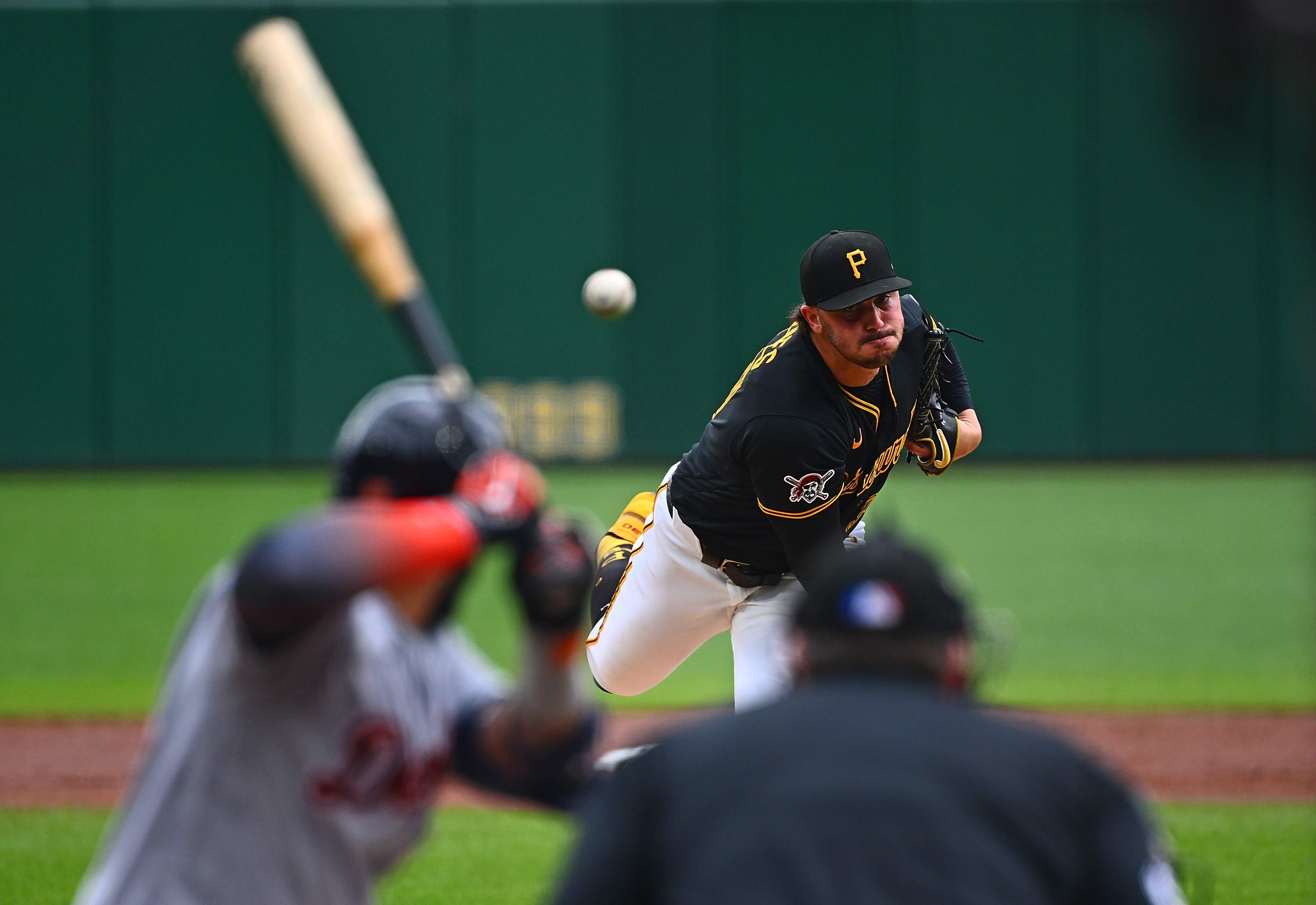
Baseball Savant’s pitch tables show Skenes’ four-seam fastball averaging 96.8 mph in 2026, down from roughly 98 mph the previous season.
However, its whiff rate was 29.7%, compared with 29.6% in 2025. That statistic measures misses per swing, so it does not describe every pitch or prove the fastball was equally effective.
Opponents’ slugging percentage against it increased from .347 to .417. Hitters could still miss the pitch while doing more damage when they connected.
Another change occurred elsewhere in the arsenal. His changeup’s whiff rate declined from 43.9% to 37.4%.
Those results point to a need to evaluate how the pitches work together, including location and the counts in which he uses them. Restoring velocity would be welcome, but the final numbers don’t show that speed alone explains the season.

Pirates Have More Than One Adjustment to Watch
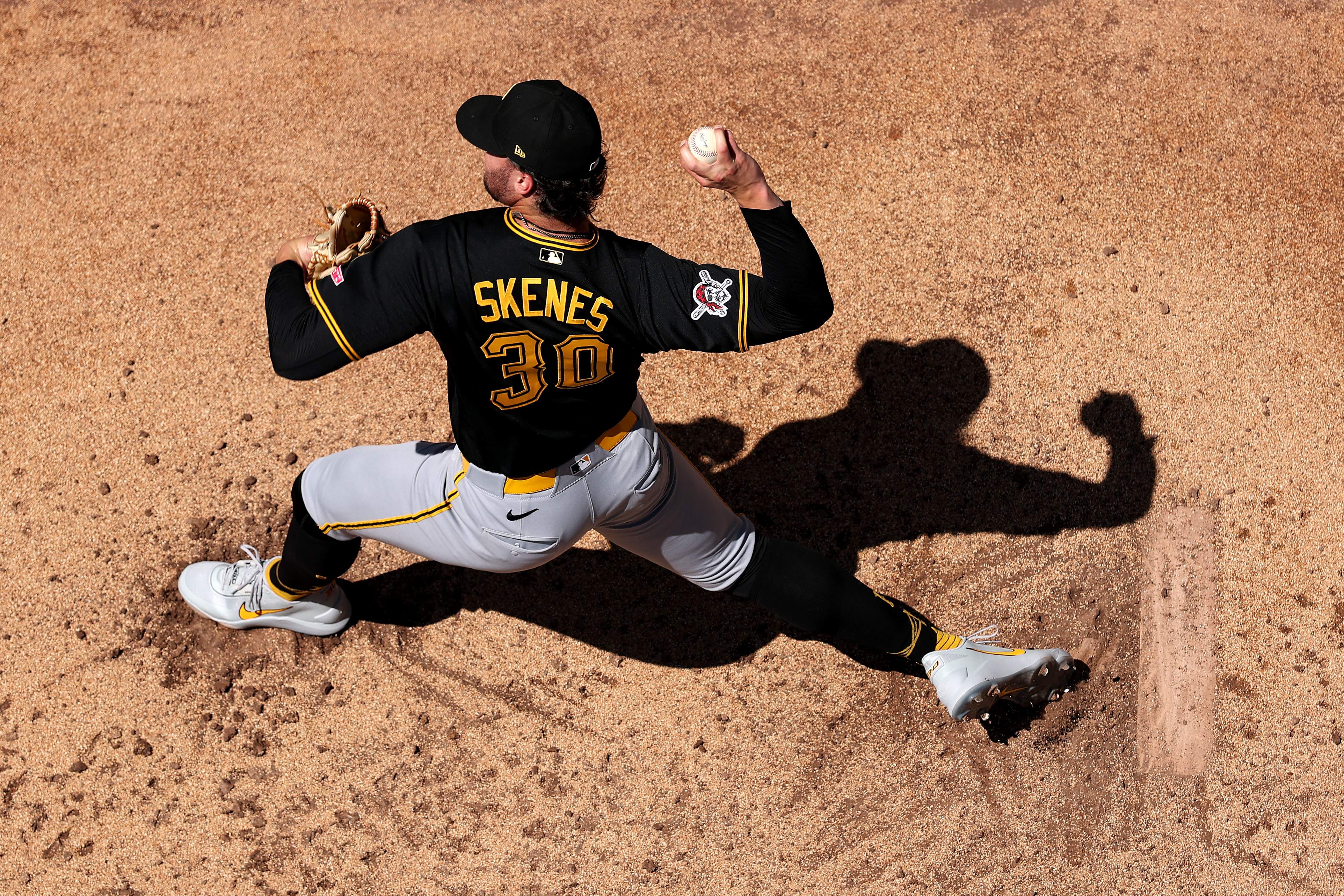
The broader pitching line reinforces that conclusion. Skenes allowed 20 home runs in 2025, up from 11. His walks increased from 42 to 49 even as his workload fell from 187.2 innings to 174.1.
Baseball Reference also lists his fielding-independent pitching at 3.33, up from 2.36. FIP focuses on strikeouts, walks, hit batters, and home runs, providing another way to assess performance beyond the final ERA.
That measure also worsened, making it hard to dismiss the decline as unfortunate balls in play.
His strikeouts per nine innings barely changed, from 10.4 to 10.3, while his home runs per nine roughly doubled, from 0.5 to 1.0. That contrast gives Pittsburgh a more focused target: preserve the ability to finish hitters while reducing mistakes that let opponents score without needing several hits. It also sets a clearer standard for judging whether offseason work is helping.
There is still considerable ability to build around. Skenes struck out 200 hitters in 32 starts, and Pittsburgh should approach the offseason with a detailed adjustment plan rather than a sweeping verdict about his future.
The useful spring checkpoints will be practical: fewer free baserunners, better control of damaging contact, and supporting pitches that can finish at-bats. A faster radar reading would be encouraging, but those outcomes would provide a fuller picture of progress.
Pittsburgh should judge the next version of its ace by the quality of his complete outings. Steadier starts would help the club build a more dependable plan for the entire staff, including workloads for its relievers.











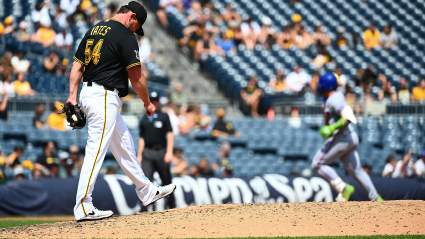
Pirates’ Paul Skenes Numbers Reveal a Surprising Fastball Detail