
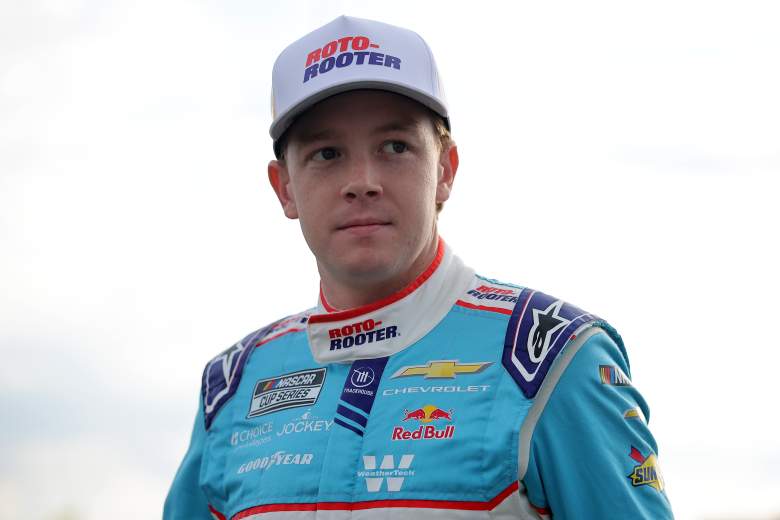
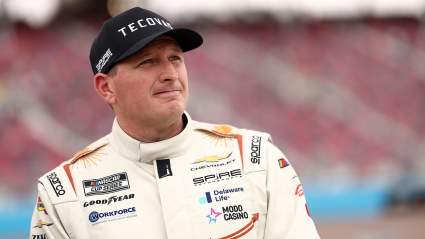
NASCAR driver Connor Zilisch has revealed the physical toll of racing through Phoenix Raceway’s dogleg, saying a sensor in his mouthpiece recorded repeated 10G hits. T
he Trackhouse Racing driver shared the findings during an appearance on SiriusXM NASCAR Radio after reviewing data from the Arizona track. The readings have added to the discussion about driver safety and possible changes to the dogleg ahead of the 2027 season.
The section allows drivers to use the flat apron along the frontstretch, creating wide battles during restarts and opening more passing opportunities.
However, the sharp transition between the banking and apron can send cars into the wall. Zilisch supports safety improvements but doesn’t want NASCAR to remove a feature that makes Phoenix unique.
NASCAR Driver Connor Zilisch Reveals 10G Hits at Phoenix
A custom mouthpiece created with the Wake Forest University Biomedical Lab helped Trackhouse Racing’s No. 88 driver Connor Zilisch measure the forces he experienced on track. The device records linear and rotational G-forces and head movement, giving teams more insight into the physical forces drivers experience inside their cars.
After reviewing Phoenix’s data, Zilisch explained how frequently the dogleg causes hard impacts.
“Yeah, I certainly have it in, and basically every time you go down there, it’s a 10G hit,” Zilisch said. “It depends on how many times you run it. You get a lot of just 10G hits that don’t feel great. But, you know, you have to do it. So it’s part of Phoenix and what makes Phoenix the way it is.”
Zilisch also recalled a qualifying session earlier in the year when an impact shifted his helmet. The movement caused him to miss shifts and made it hard to see as he entered the turns.
The repeated impacts have raised questions about the physical demands of racing through the dogleg over a full NASCAR race distance.
NASCAR Faces Safety Questions Over Phoenix Raceway Dogleg
Phoenix Raceway’s dogleg sits along the frontstretch, where drivers move from the banked racing surface onto a flatter asphalt apron before returning to the main track. The area became a major part of the racing line after officials replaced grass with asphalt.
Drivers often use the dogleg on restarts, creating battles as several cars run side by side. However, the sharp change in surface height causes cars to bottom out, sending hard impacts through the chassis and into the cockpit.
Teams also have to consider the risk of damage to underbody parts and tires. Low tire pressures can increase the risk of sidewall damage, while some teams limit dogleg use during practice to protect their cars.
NASCAR has considered ways to reduce the impact without removing the feature entirely. Options discussed include restoring turf to parts of the apron, making the transition less abrupt or restricting access with double-yellow lines.
NASCAR officials have indicated they are working on potential changes ahead of the 2027 season, with attention on the transition rather than a complete redesign of the dogleg.
Connor Zilisch Wants NASCAR to Protect Phoenix Racing
Despite the 10G readings, Zilisch does not want NASCAR to remove the dogleg without considering what it adds to the racing.
“I struggle to want to let them change it. But at the same time, you’ve got to do what’s safest for the drivers. It’s a tough decision for sure.”
He also explained why he values the feature as a fan and driver.
“I certainly think, as a fan, I think the dogleg is cool and adds something to the racetrack and makes it unique,” Zilisch said. “So, yeah, I mean, I’m a little indifferent on it.”
Zilisch suggested that adding turf could help reduce the burden on drivers. However, he stressed that any changes should preserve the passing opportunities the dogleg creates.
“I hope it doesn’t affect the racing at the racetrack because the dogleg is what allows for passing and helps kind of make the racing a little better,” he said.
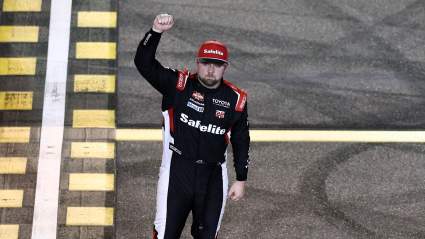
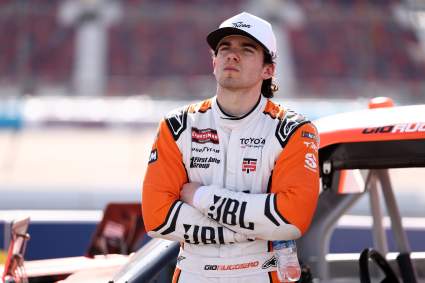
Zilisch is competing in his first full-time NASCAR Cup Series season with Trackhouse Racing. He won 10 races during the 2025 Xfinity Series season and reached the Championship 4. He is scheduled to remain with Trackhouse through 2027 before moving to Hendrick Motorsports’ No. 48 Chevrolet in 2028.
NASCAR now faces the challenge of reducing the physical impact of the Phoenix dogleg while keeping the racing action that has made it a defining part of the track.


NASCAR Faces Tough Decision After Connor Zilisch Reveals Painful 10G Hits at Phoenix