

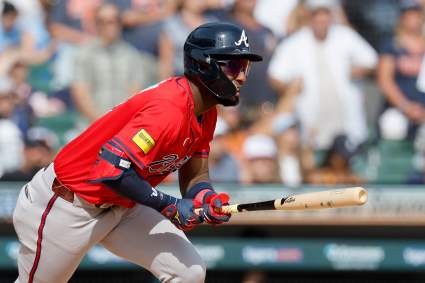
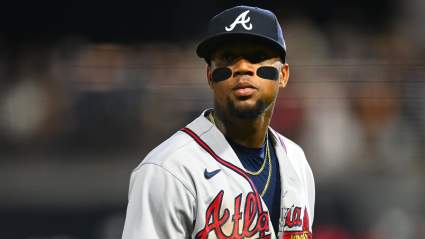
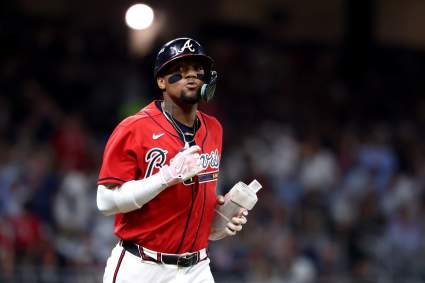
Michael Harris II gave the Atlanta Braves a huge postseason performance Sunday night.
One of his biggest hits came with a detail that makes it even more surprising.
.
However, the fifth-inning triple deserves another look.
MLB.com reported that the ball carried a .016 expected batting average.
Expressed as a percentage, that is 1.6%.
For Braves fans watching a tense playoff game, the result mattered immediately. For anyone reviewing how Atlanta won, the number adds a fascinating explanation of how unusual that contact was.
It also offers a useful distinction between a strong overall performance and the quality of one swing.
Michael Harris II’s Triple Defied the Numbers
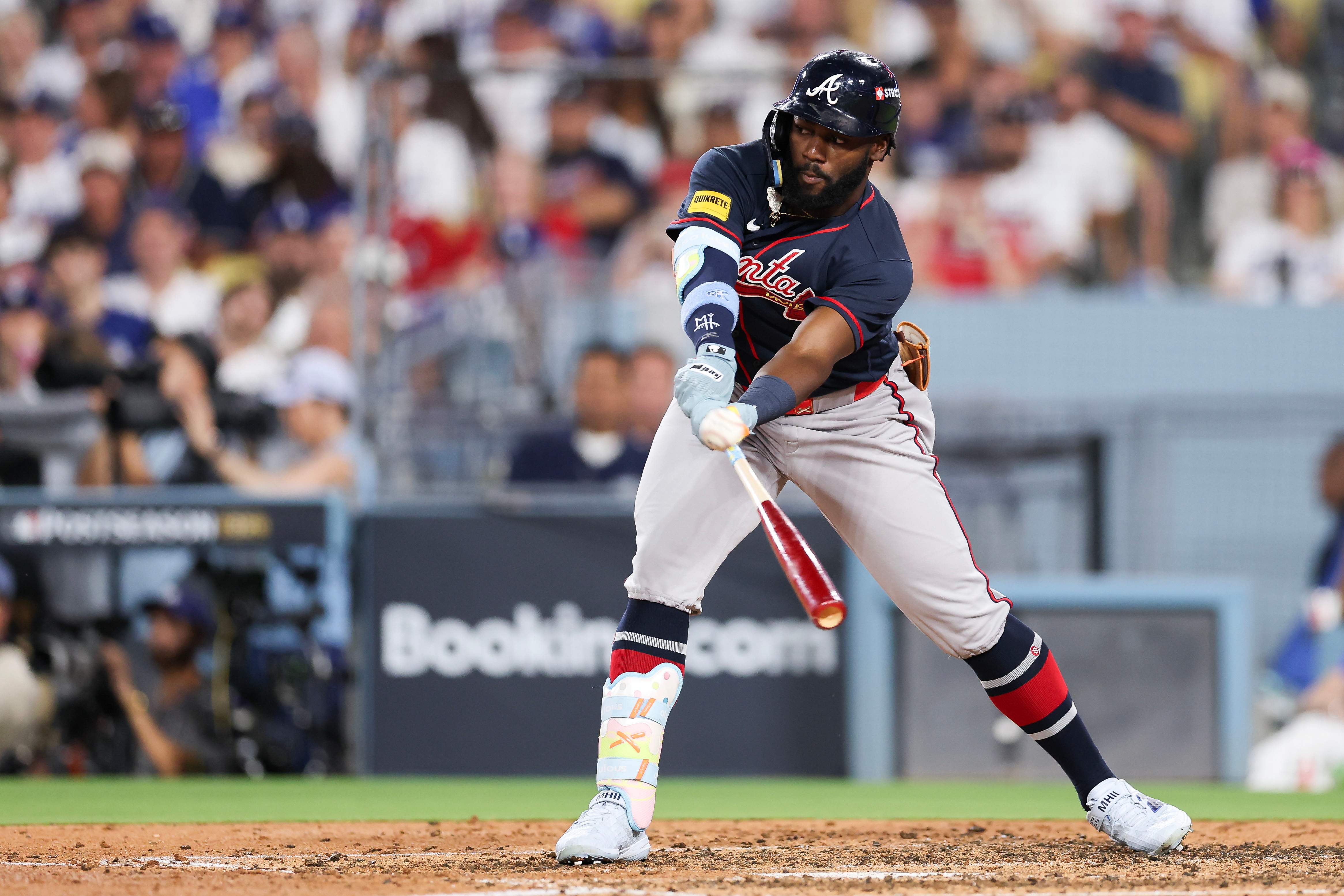
MLB’s video and tracking data identify an 86 mph sweeper, a 92.3 mph exit velocity and a 23-degree launch angle.
Those measurements describe the contact. The actual play required more than a number.
As True Blue LA’s Eric Stephen reported, Teoscar Hernández’s handling of the ball in the left-field corner helped turn it into a triple.
Harris still had to take advantage.
Reaching third put him in position to score on Kris Bubic’s wild pitch, giving Atlanta a 2-1 lead.
The Statcast definition of expected batting average concerns hit likelihood based on comparable contact. It is not a forecast of triple probability.
That distinction matters. Harris did not simply produce an unlikely hit. The play also delivered extra bases that changed what Atlanta needed to score.
A single would have left a different situation. Third base made the next mistake costly.
That is why watching the entire sequence reveals more than isolating the swing, especially when a wild pitch supplies the scoring opportunity.
Why the Play Mattered for the Braves
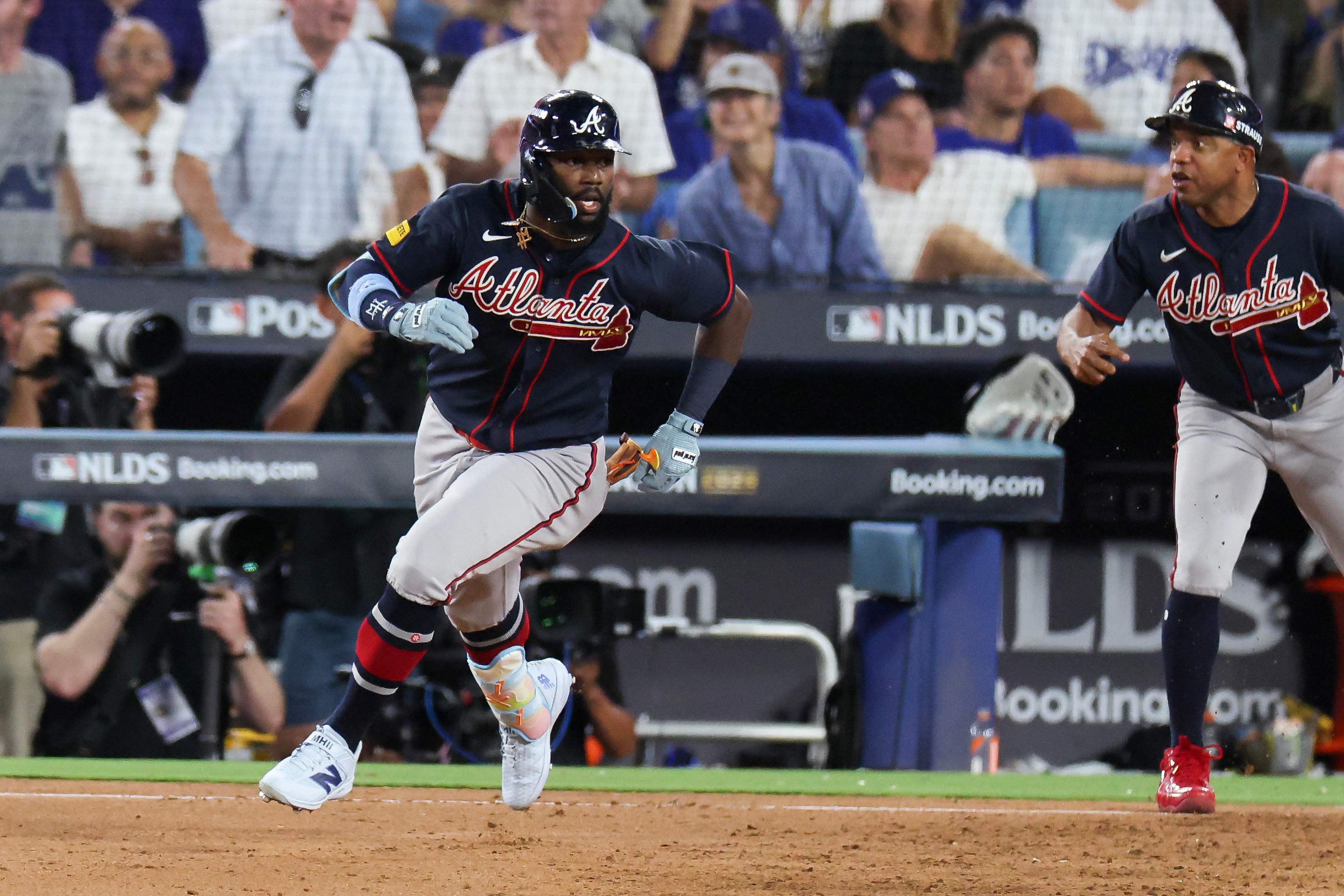
Harris later added an RBI double, bringing Matt Olson home in the seventh inning.
That additional run became especially valuable when Max Muncy homered in the ninth before Atlanta secured the final out.
The lesson is not that the Braves should build an offensive approach around low-probability contact. A favorable result does not automatically make every similar swing a good decision.
Instead, the sequence shows why postseason games can turn on execution after the ball leaves the bat.
Contact quality, outfield play and baserunning all influenced what happened. The scoreboard recorded a triple; the details explain why that label does not tell the complete story.
For Harris, the unusual hit was part of a productive night, rather than his only contribution.
For Atlanta, it helped create a run without requiring a home run or another hit.
The Braves will need more offense as the series continues. But Sunday provided a reminder that one opportunity can be valuable even when it arrives in an unexpected way.
Harris turned that opportunity into third base. By inning’s end, Atlanta had the lead.

Braves’ Michael Harris II Delivered a Playoff Hit With a Hidden Twist