
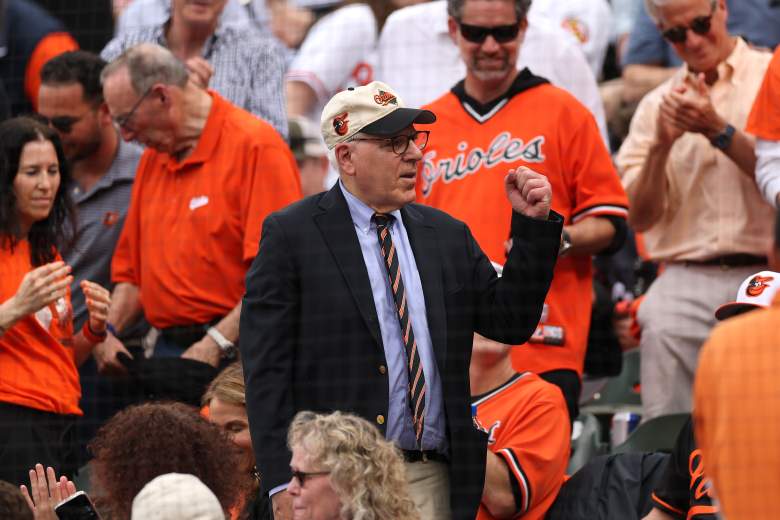
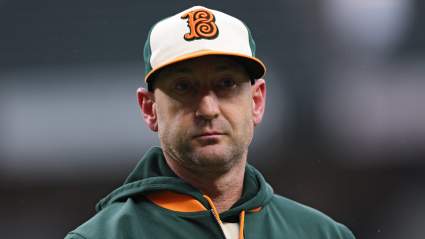
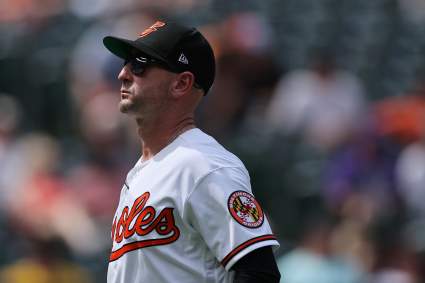
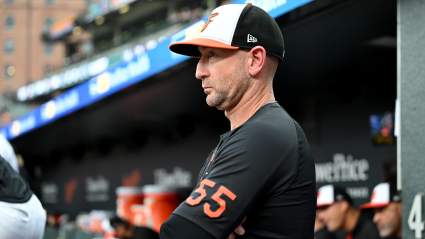
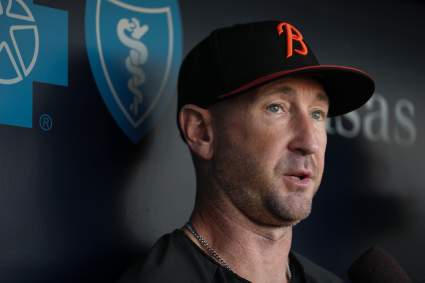
Jared Banner gave Baltimore Orioles fans a reason to revisit an uncomfortable conversation about ownership.
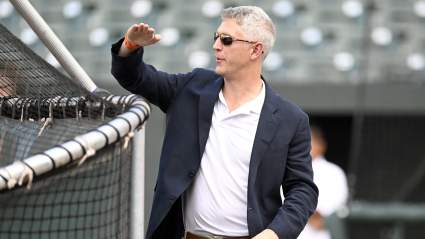
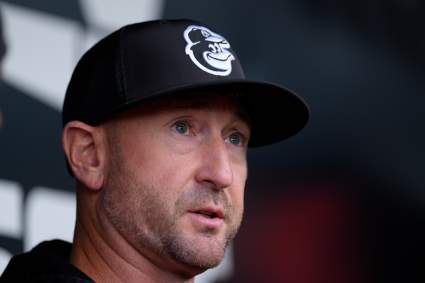
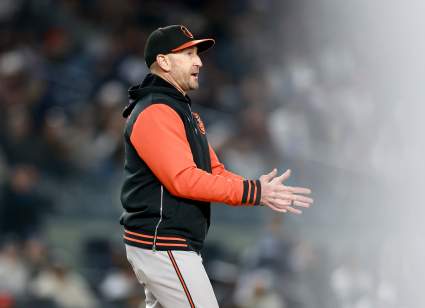
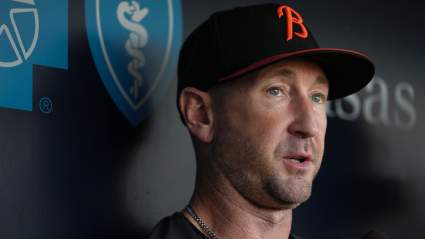
At his October 27 introduction, the new general manager described an organization with “owners who care and want to win,” according to MASN’s reporting.
That endorsement arrives after David Rubenstein discussed the financial appeal of sports ownership earlier this month. The comments create a useful question heading into the offseason: What will Baltimore’s commitment look like when actual roster decisions arrive?
This is an accountability question, rather than evidence that a particular free agent is coming to Camden Yards. Banner’s introduction offered a vision. The winter will provide a way to evaluate it.
What Rubenstein Actually Said
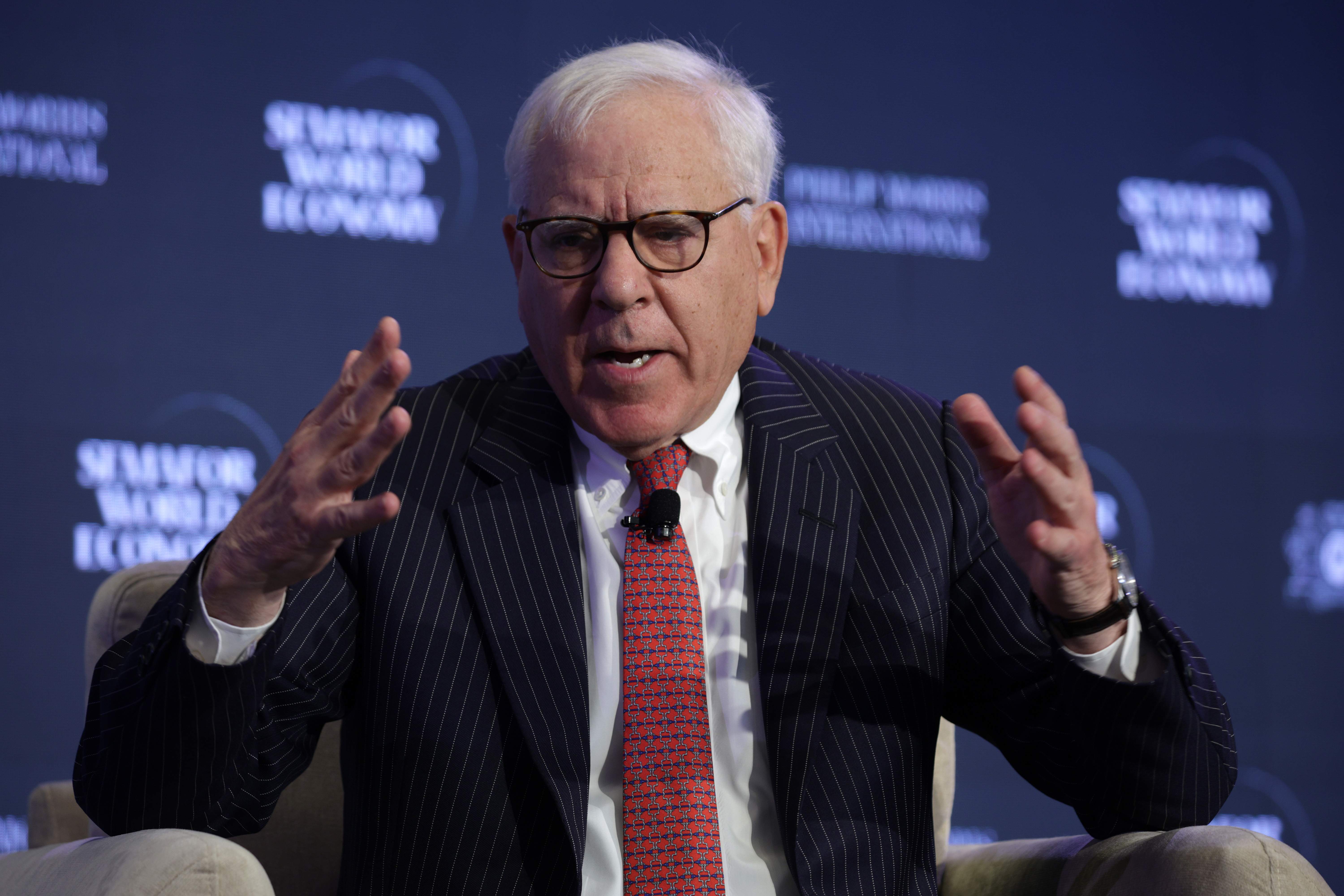
Rubenstein appeared at an Economic Club of Washington event on October 15.
As Rich Dubroff reported for BaltimoreBaseball.com, Rubenstein said friends who bought teams were making more money than he was in private equity. He also described his Orioles purchase as motivated by helping Baltimore and said owners prioritize winning.
Those remarks concern the attraction of owning teams. They do not establish the Orioles’ current operating profit or announce a payroll ceiling for 2027.
That distinction matters when fans assess spending arguments. A statement about the value of sports ownership cannot tell readers how much money a club will commit to starting pitching, player development, or its next contract offer.
Rubenstein’s October comments are established background. The new peg is Banner’s arrival and the organization’s renewed promise to build a winner.
The Offseason Test Goes Beyond One Signing
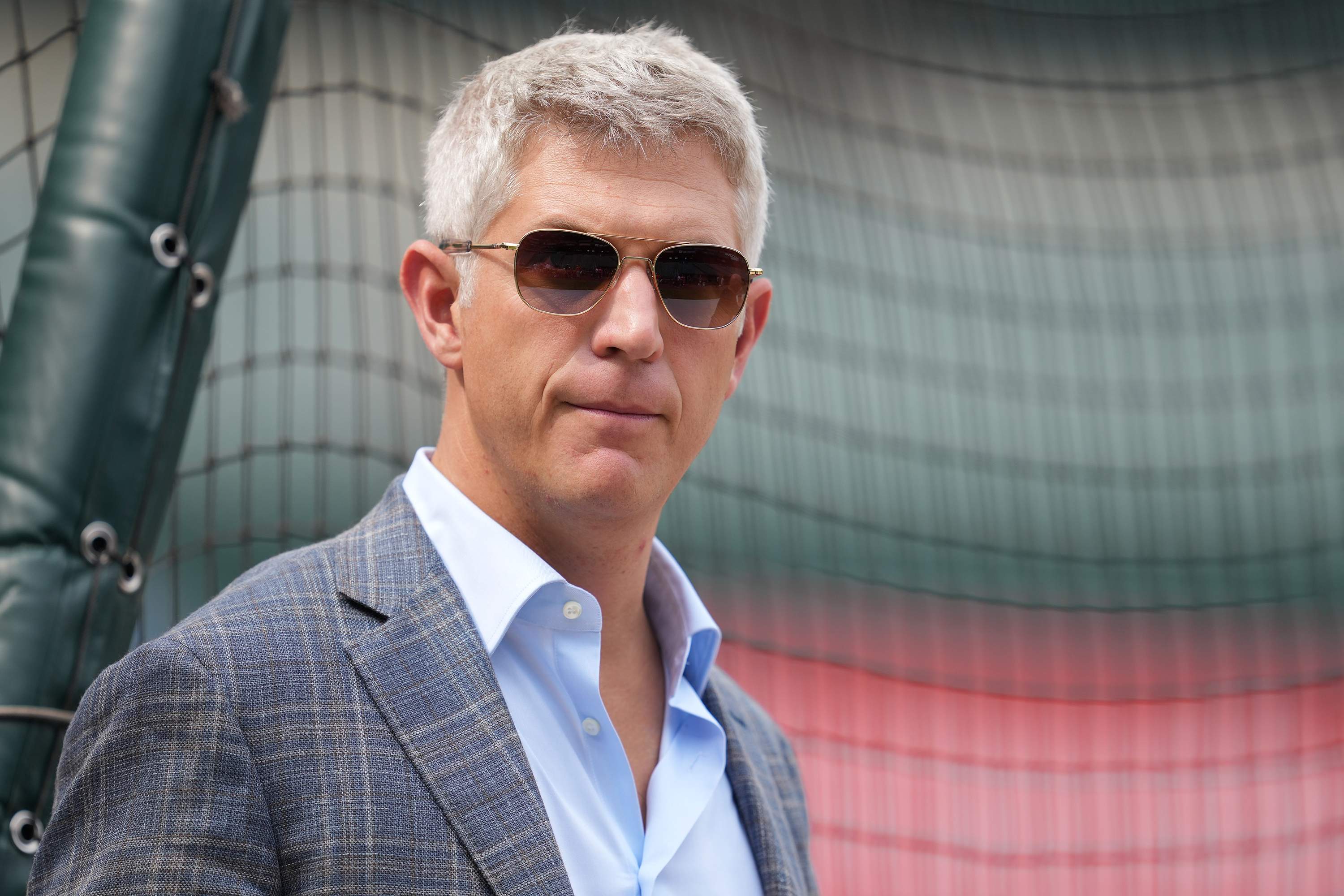
There is already one tangible change: Baltimore added another executive to its baseball leadership.
Elias explained that Banner will oversee internal development, coaching, performance and healthcare, while Elias concentrates more directly on scouting and acquisitions. MASN also reported that rotation upgrades remain on the agenda and additional front-office hiring is being considered.
Our view: Those areas offer better measures of commitment than another broad declaration about winning.
Can the Orioles improve their rotation? Will the expanded leadership structure help young players turn talent into consistent production? Will the club explain how outside additions fit alongside the players already in Baltimore?
A major contract would generate attention. It would still need to solve a baseball problem. Similarly, internal improvement would matter, but it should be demonstrated through results rather than treated as a substitute for every roster addition.
For fans, that creates a straightforward offseason checklist: follow completed acquisitions, confirmed staff additions, and clearly explained development priorities.
That means judging the plan as a whole: the quality of the additions, the roles available to returning players, and whether the organization follows through on the support it says those players need. Every move should serve that purpose.
Banner has endorsed the people who hired him. Now Baltimore can give that endorsement substance. The next meaningful answer will come through decisions that change the team’s chances of winning.
Orioles Owner’s Money Remarks Put New GM’s Promise to the Test