

The Boston Red Sox have another power hitter to evaluate, and this one changes the conversation before free agency officially opens.
Hanshin has approved Teruaki Sato’s posting, MLB.com reported Monday. A potential Boston pursuit remains, with no confirmed Red Sox bid in that report.
Still, the timing makes him worth a closer look. Boston needs more damage from its lineup, and Sato offers a different profile from the familiar veterans filling offseason discussions.
According to NPB’s official statistics, the left-handed hitter produced a .306/.383/.609 slash line with 39 home runs and 106 RBIs in 143 games this season. He turns 28 in March, giving interested clubs a player with prime years ahead.
Sato’s Fit Runs Through Boston’s Corner Infield
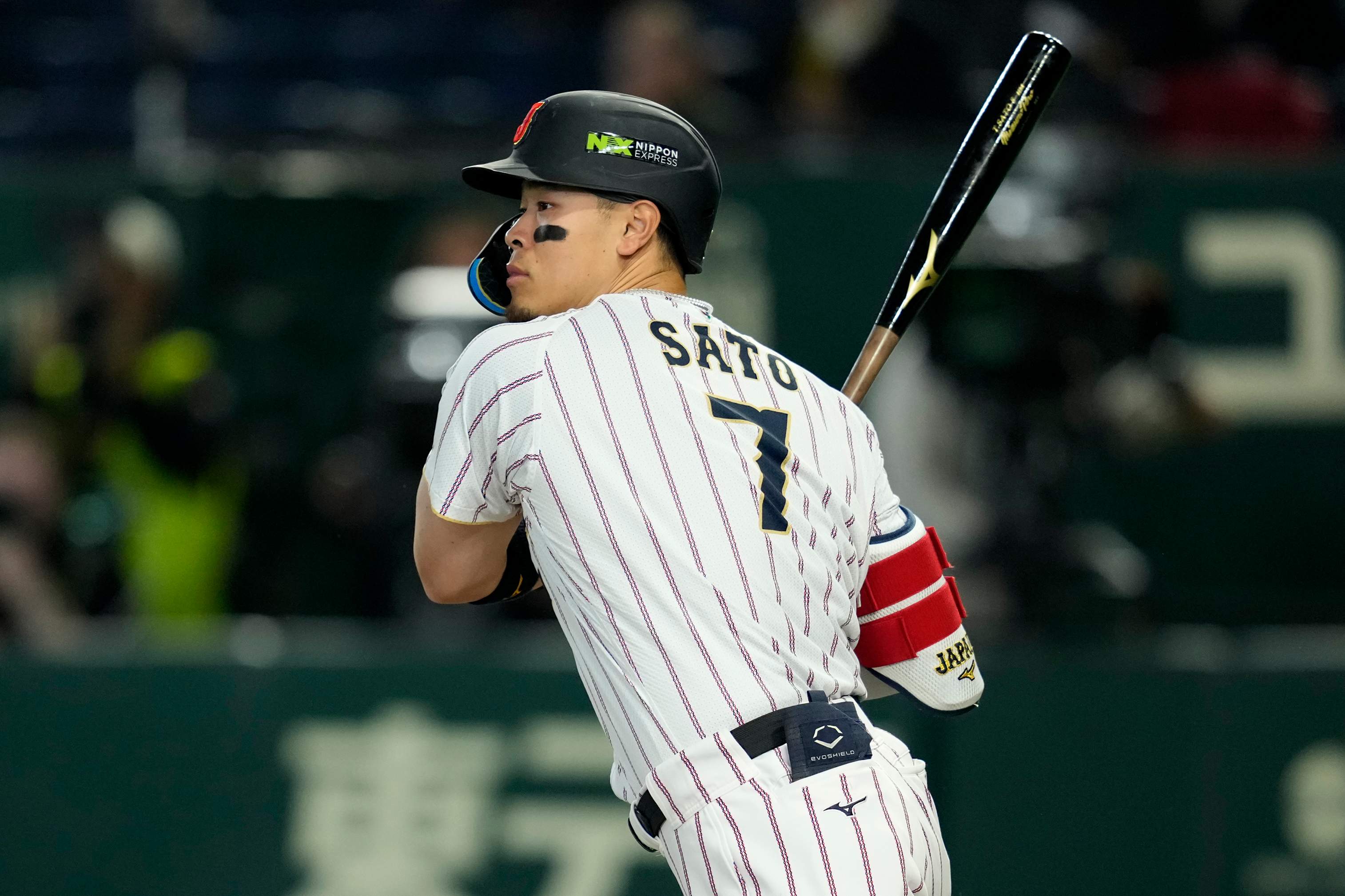
The appeal begins with production. Sato hit 40 home runs in 2025, then followed with another season just shy of that total. Those consecutive campaigns give scouts more to evaluate than one unusually hot stretch.
Boston’s existing lineup creates the harder question entering this offseason. Caleb Durbin occupies third base, while Willson Contreras is established at first. A pursuit would need to begin with whether Sato would displace an infielder, move positions or claim the designated hitter spot.
Each choice has a clear consequence for Boston. Moving an incumbent requires finding another useful assignment for that player. Keeping the DH spot open for a new signing reduces flexibility to give existing hitters appearances there when they need time away from the field.
Sato’s arrival through the Japanese posting system also means an acquiring club must account for a release fee. The contract would be only part of the total expenditure.
Boston should therefore price a specific role before deciding how much to offer. His age makes the opportunity interesting, but the Red Sox would still need to establish that the upgrade justifies the money and the required lineup changes.

The Strikeouts Make the Decision More Complicated

There is a clear reason to resist treating Sato’s Japanese numbers as an automatic forecast for Boston.
NPB lists 164 strikeouts in 614 plate appearances this season. That works out to approximately 26.7%, meaning contact was already a consideration before a possible move to a different pitching environment.
The Red Sox would need to decide which pitches create those misses, whether his approach can adjust, and how much power would remain if he prioritizes more contact.
Those are scouting questions, not conclusions that a home run total can settle. Boston would also need a clear defensive and playing-time plan before committing significant money.
An aggressive offer would make sense only if that work supports the translation. The market has gained an interesting name; Boston still needs to establish whether it has gained the right solution.
Sato is an intriguing new possibility because of his age and sustained power. The next step is determining whether his strengths address Boston’s specific weaknesses at a price the organization can support.
Red Sox Just Got a New Power Option With One Major Catch