

Detroit Tigers catcher Dillon Dingler stepped to the plate Friday with two outs in the ninth inning and a chance to extend the game. He struck out, completing a 0-for-5 night in Detroit’s 5-2 loss to the Kansas City Royals.
The empty night continued a sharp downturn for a key Tigers hitter. Dingler has two hits in his past 28 at-bats, with eight strikeouts and no home runs. His ESPN game log shows a .169/.229/.312 slash line in August after he produced an .843 OPS in July and a 1.011 OPS in June.
That raises a question Detroit can no longer dismiss: Does its All-Star catcher need a reset?
Dingler’s Slump Has Outgrown One Bad Series

Dingler still owns a productive .252 average, 26 home runs, 82 RBI, and an .801 OPS. Those numbers explain why manager A.J. Hinch has continued to trust him in important lineup spots. They also make the recent decline more jarring.
His last home run came Aug. 6 in Seattle. Since then, Dingler has collected only three hits across 45 at-bats. Detroit has continued to use him at catcher and designated hitter because its injury-thinned lineup cannot easily replace his power.
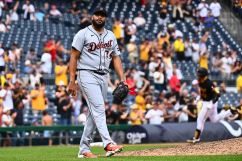
Friday demonstrated the problem with that approach. The Tigers drew seven walks but stranded 11 runners, according to the Reuters game recap. Dingler came to the plate five times without moving a runner across home. A team fighting for its postseason life cannot afford prolonged empty production from the middle of the order.
Detroit Must Separate Patience From Passivity
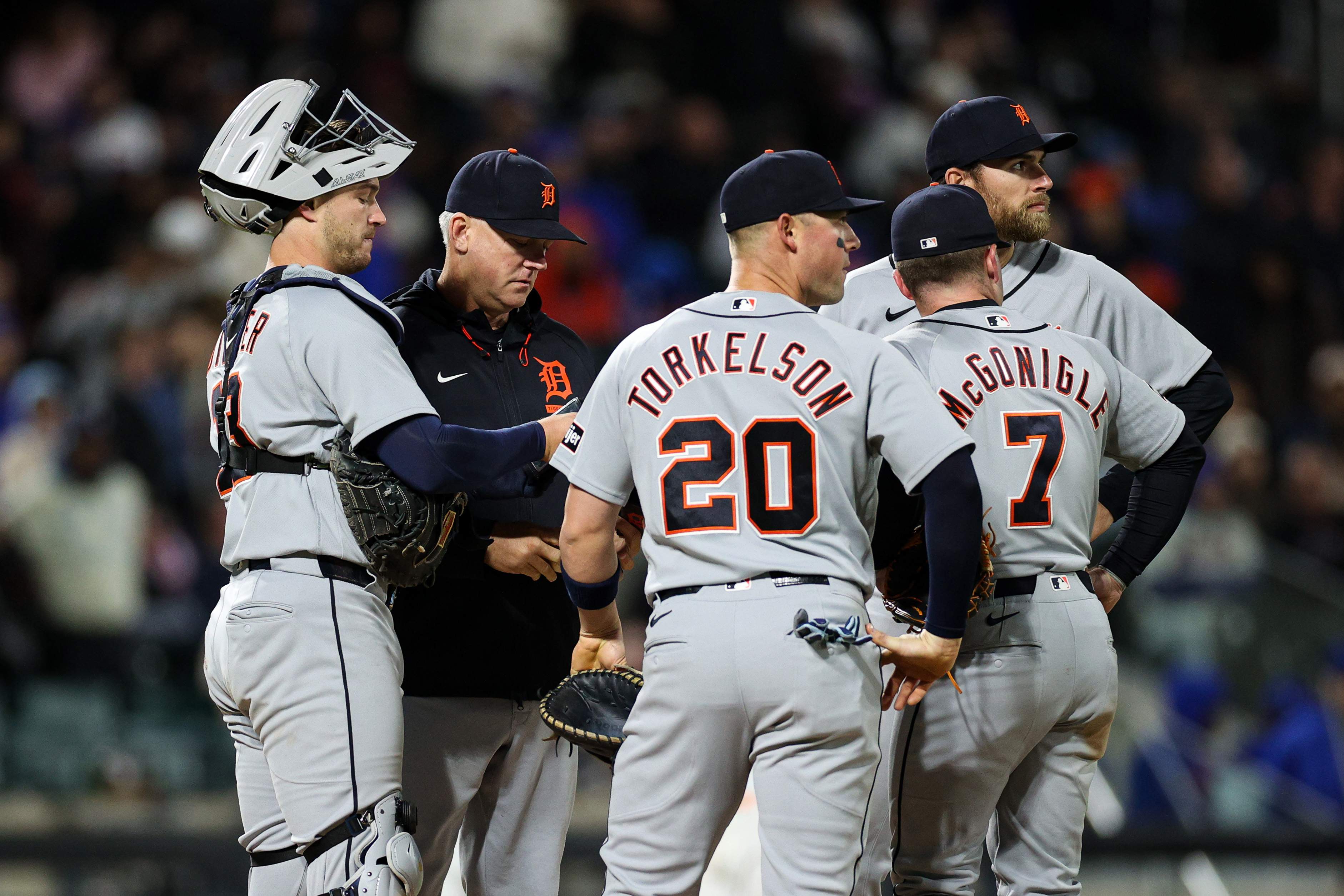
Nothing publicly indicates that Dingler is injured. His slide could reflect ordinary variance, a mechanical problem, changing pitcher adjustments or the cumulative burden of catching. The Tigers should not declare fatigue without evidence.
That distinction matters because a slump and physical wear demand different responses. A mechanical issue may require video work and continued at-bats; fatigue may call for rest. Detroit also must weigh Dingler’s value behind the plate, where game planning and receiving responsibilities do not appear in his offensive line. Moving him to designated hitter reduces one burden but does not remove the pressure attached to batting fourth in a shrinking playoff window.
They can still manage the situation proactively. Hinch could give Dingler a complete day off, temporarily move him lower in the order, or increase his time as the designated hitter. Detroit could also examine whether opponents have changed how they attack him and whether he has expanded the strike zone while trying to force his way out of the slump.
The Tigers fell to 61-67 with Friday’s loss and have dropped six of seven. MLB’s latest game story placed them 2.5 games behind the final American League Wild Card with a 9.9% FanGraphs playoff probability.
Dingler remains one of the biggest reasons Detroit still has a chance. The Tigers now must decide whether uninterrupted at-bats offer the best path back—or whether their All-Star catcher finally needs room to breathe.






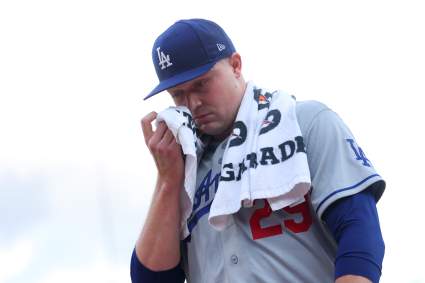





Dillon Dingler’s 2-for-28 Slide Leaves the Tigers With One Uncomfortable Question