
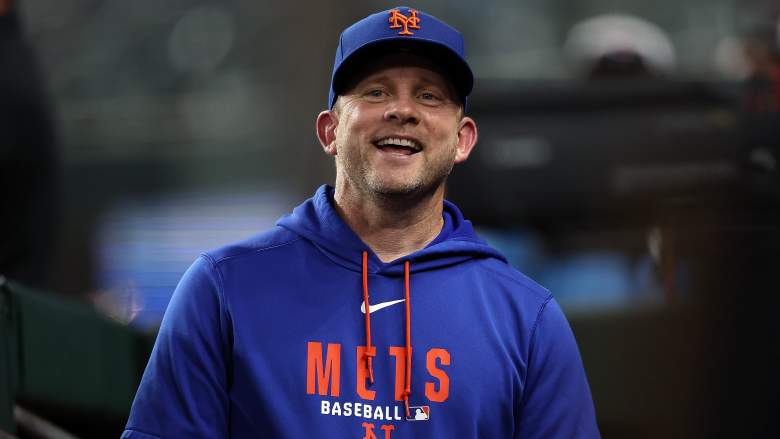
The New York Mets have changed their coaching staff, but their offensive numbers point toward a more complicated repair. The challenge is turning ordinary plate discipline and useful contact into consistent production.
On October 6, SNY reported that hitting director Jeff Albert, quality assurance coach Danny Barnes and batting practice pitcher Kevin Mahoney would not return to their Major League roles. Other positions within the organization remain possible.
SNY also reported that hitting coach Troy Snitker is expected to return in 2027. That makes this a partial adjustment, with an existing instructor still positioned to help shape the offensive response alongside any additions to the staff.
The departures create an opportunity to reassess an offense that disappointed in 2026. However, the underlying data suggests that simply telling every hitter to chase fewer pitches would address only part of the problem.
Mets’ Team Rates Tell a Different Story
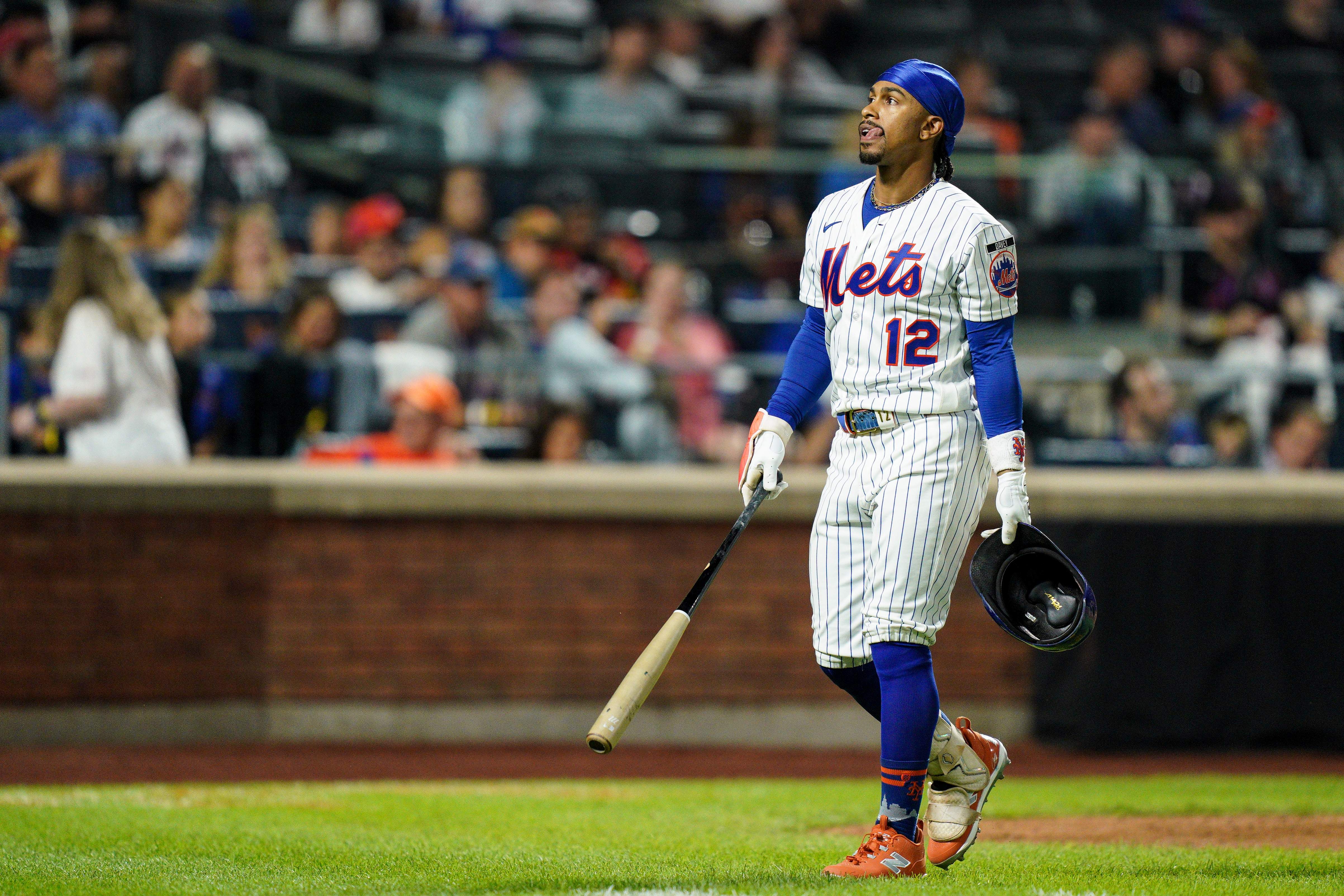
According to Baseball Savant’s team data, the Mets chased 30.5% of pitches outside the strike zone. That matched the league average. Their 83.9% contact rate on swings inside the zone also matched the MLB mark.
An independent calculation using the same table puts New York’s strikeout rate at 22.3%, compared with 22.1% across MLB. Those figures describe a lineup whose overall swing decisions and contact frequency were close to ordinary.
Contact quality also supplied some encouragement. The Mets’ 41.7% hard-hit rate exceeded MLB’s 38.6% figure, meaning a shortage of firmly struck baseballs does not fully explain their limited production.
The results still lagged. New York finished with a .310 on-base percentage, below MLB’s .318 mark. The New York Post reported that the club ranked 20th in scoring, averaging 4.31 runs per game.
The Mets Need Improvement Across the Lineup
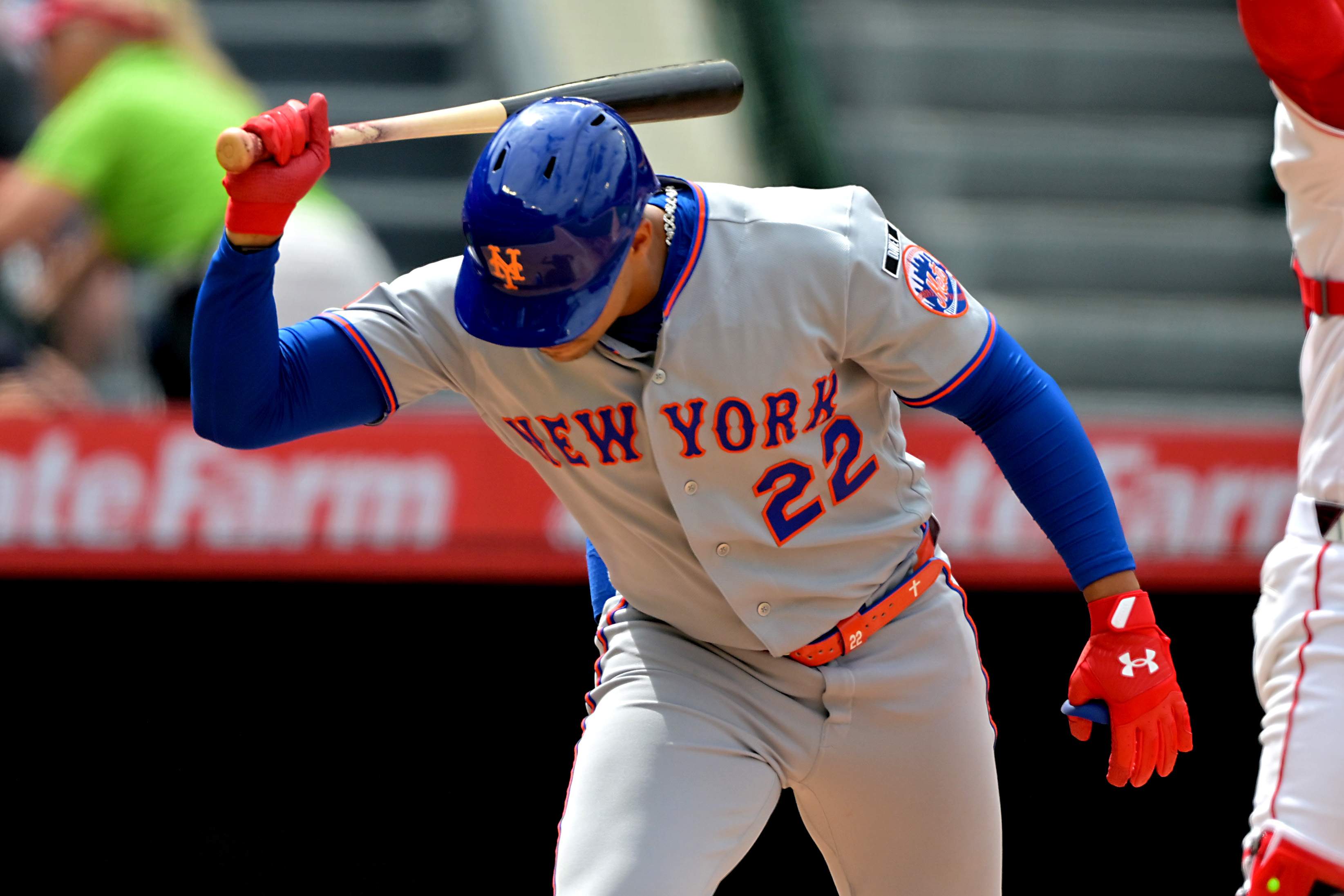
Team averages can conceal different problems. Savant lists Francisco Alvarez’s contact rate on in-zone swings at 77.3%, while Bo Bichette chased 40.9% of pitches outside the zone. Their individual needs require different instruction.
For Alvarez, consistently reaching hittable pitches would be a useful improvement. For Bichette, selecting better offerings could help. Neither adjustment guarantees a rebound, but each provides a clearer target than a broad demand for better hitting.
The front office also has a role. Coaches can help players improve approaches and mechanics, while roster construction determines which hitters receive opportunities and whether the lineup has dependable alternatives when someone struggles.
A practical standard for 2027 would combine a higher on-base percentage with fewer weak links. Individual progress should appear in swing decisions, contact on strikes and production, rather than only in spring training descriptions.
Those measures would let the Mets evaluate whether their changes are working before another disappointing season becomes the verdict. They also make it easier to distinguish player improvement from a temporary streak.
New York has adjusted the staff. The next step is building a lineup that turns its existing contact into more baserunners and sustained offense. That is the outcome the coaching changes ultimately need to support.
Mets’ Coaching Shake-Up Leaves a Bigger Question for 2027