

The New York Mets have been floated as a landing spot for Giancarlo Stanton, but the most important part of that idea comes before any lineup discussion. Stanton would have to want the move.
In an October 9 Sportsnaut proposal, Jason Burgos suggested a swap involving Stanton and Mets infielder Jorge Polanco. That is an outside trade idea, not reporting that the Mets and Yankees are negotiating.
The distinction matters because a recognizable name can make a hypothetical trade sound closer to happening than it actually is. For the Mets, the useful question is whether exchanging two expensive veterans would improve their roster enough to justify the complications.
Giancarlo Stanton Has a Say in Any Mets Trade
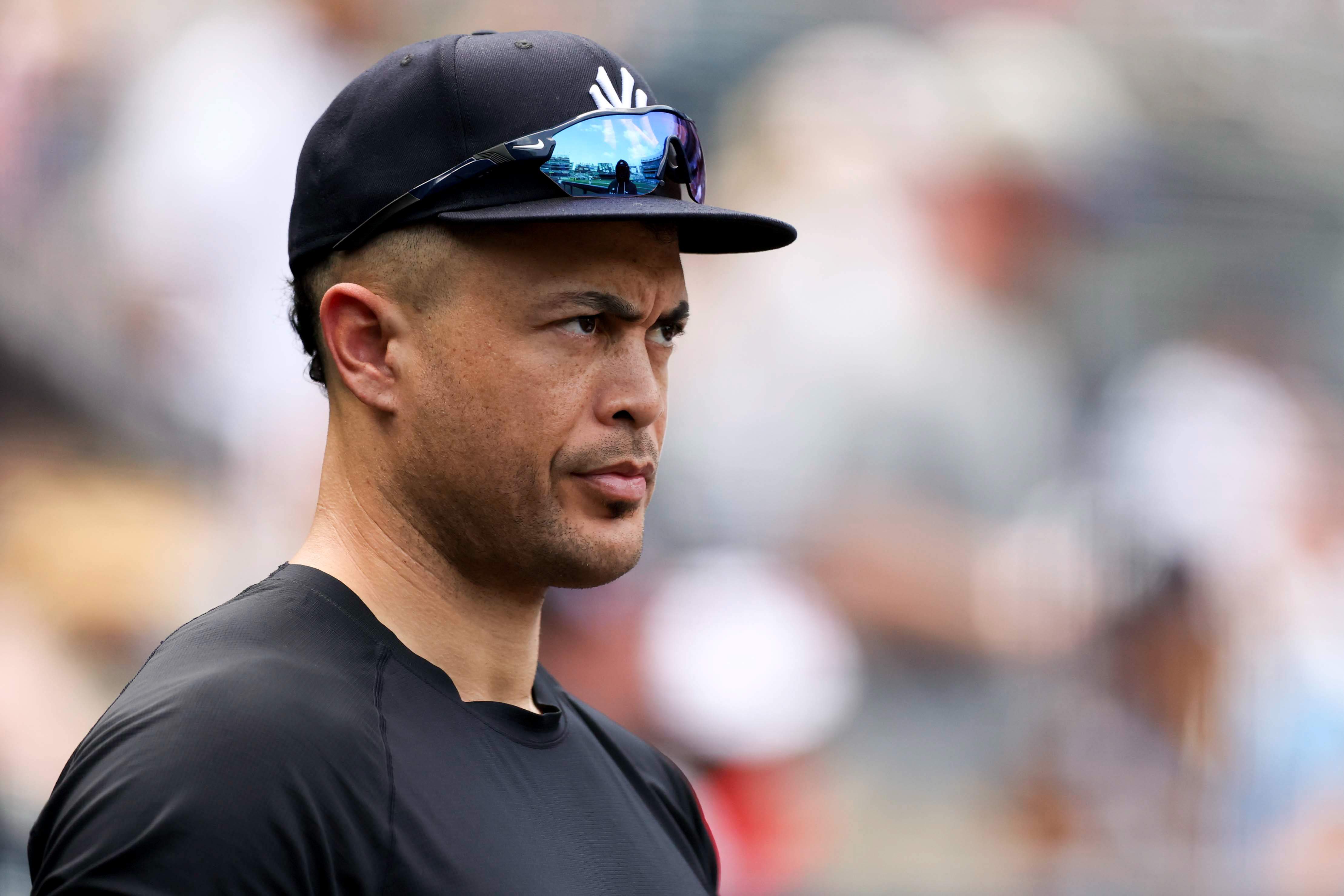
Stanton’s full no-trade clause means he must approve any move. Neither club can make this proposal happen without him.
The financial comparison also needs more than two salary figures. FanGraphs’ Mets payroll table lists Polanco at $23 million for 2027. The Associated Press contract breakdown lists Stanton’s salary at $25 million that season, with Miami paying the Yankees $10 million annually from 2026 through 2028.
Those payments bring the 2027 cash burden to $15 million before considering the terms of any new trade. That creates a possible $8 million difference against Polanco’s salary, assuming the subsidy followed the transaction. It does not establish that the Mets would automatically save that amount.
Stanton also has a $25 million club option for 2028 with a $10 million buyout. Any evaluation needs to account for that final year and the remaining Miami payments.
Even if the cash comparison looks favorable, savings would only be one part of the return. The Mets would need enough productive plate appearances to justify the roster commitment, particularly if the deal limited their ability to address other needs elsewhere.

The Mets Would Be Betting on More Than Power

A familiar slugger can make a lineup projection look stronger immediately. The harder question is how often that player would actually be available.
MLB reported another calf injury this season. That makes health a central part of any evaluation.
A Stanton acquisition would also require the Mets to consider how heavily they want to commit their designated hitter spot to one player. That role can otherwise provide rest for regulars and room for different matchups. The appeal would be adding power while potentially changing the structure of an existing salary commitment. The downside would be trading one roster problem for another without creating enough flexibility elsewhere.
Polanco’s departure would require its own plan for covering his potential infield assignments. A trade cannot be judged entirely by the incoming player’s reputation.
For now, the proposal offers an offseason debate, not evidence of an approaching deal. The next meaningful developments would be credible reporting of team discussions, Stanton’s willingness to approve a move, and details about cash changing hands. Until those pieces emerge, the contract and roster fit deserve more attention than the possibility of Stanton switching boroughs.
Mets’ Proposed Yankees Swap Is More Complicated Than It Looks