

The New York Mets have a promising group of young starters, but one encouraging number needs context. Their combined ERA says more about their effectiveness than their ability to cover a full season.
Nolan McLean, Christian Scott, Zac Thornton, and Jonah Tong combined for a 3.45 ERA across their MLB innings in 2026. An independent calculation from their season pitching records produces that figure, including Tong’s relief appearances.
The same group made 73 starts. That covered approximately 45.1% of New York’s 162 games, leaving a substantial portion of the schedule to other pitchers. The distinction helps explain why another rotation addition remains important.
Four Young Mets Starters Covered 73 Starts
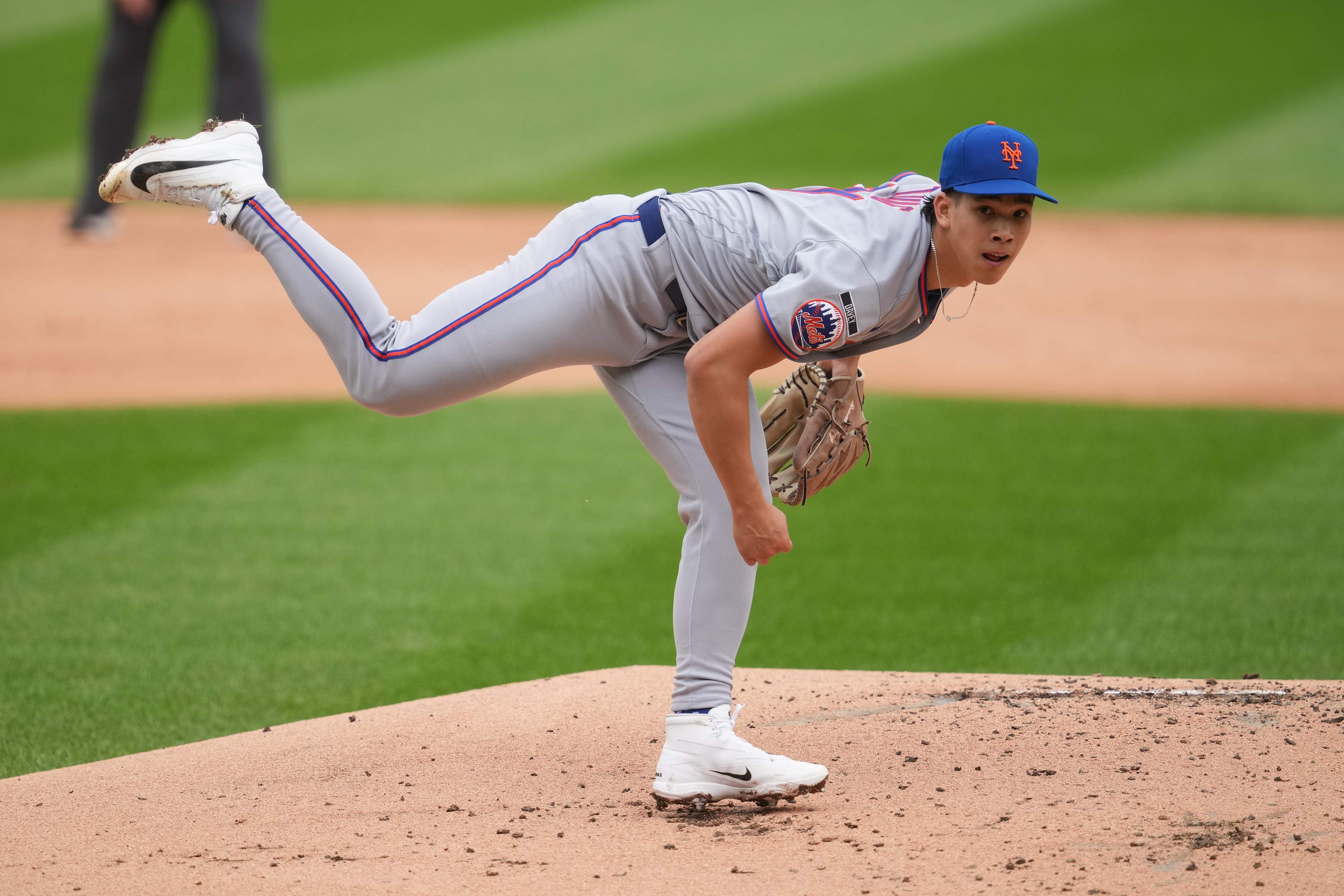
McLean’s Baseball Savant record shows 31 starts and 179.2 innings. Scott supplied 110 innings in 23 starts, while Thornton finished with 84.1 innings over 15 starts.
Tong contributed 30.2 MLB innings across seven appearances, including four starts. Together, the four pitchers recorded 404.2 innings and allowed 155 earned runs, which translates to the encouraging pooled ERA.
That calculation weights every inning equally. It does not treat four individual ERAs as equally important, and it does not turn their combined performance into a projection for the entire 2027 staff.
There is another necessary distinction. Tong also threw 107 innings for Triple-A Syracuse. Including those outings brings his regular-season workload to 137.2 innings, so his limited MLB total understates his actual season.
Major League experience and physical workload measure different things. The Mets must consider both when deciding how aggressively to expand roles, rather than assuming every young pitcher needs the same development plan.

Mets Need Development and Dependable Innings
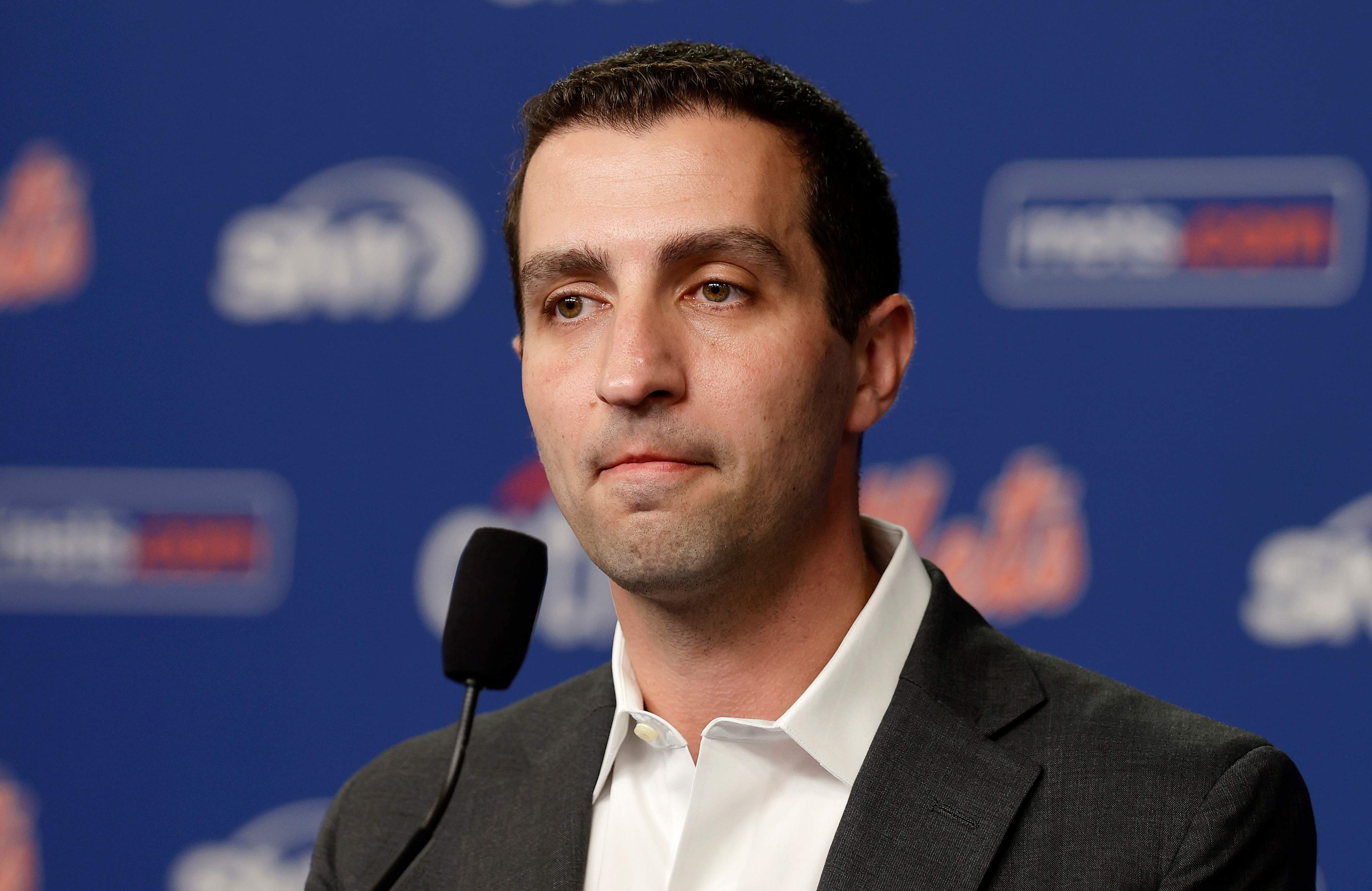
SNY reported that president of baseball operations David Stearns considers adding to the rotation necessary. That position fits a staff with exciting young options and a schedule requiring more than their current MLB track records.
The group can certainly take on more responsibility. However, projecting larger roles for several pitchers at once adds uncertainty, especially when performance, health, and assignments can change throughout a season.
Those plans also affect April. The Mets need enough options to cover games immediately while young pitchers work through changes in their assignments.
A veteran addition would provide more than another name near the top of a depth chart. Consistent innings could reduce pressure on the bullpen and give the Mets flexibility when a young starter needs an adjustment.
The available evidence does not establish formal innings limits for 2027. New York’s plans must account for individual histories, offseason progress, and spring readiness before any workload target becomes meaningful.
That makes reliability a useful part of every trade or free-agent evaluation. The club should assess how an acquisition would complement the young group, including its ability to keep starting when other options become unavailable.
The Mets have evidence that these pitchers can succeed. Building a complete rotation now requires enough dependable coverage to let that success survive the demands of a longer, less forgiving season.
Mets’ Young Rotation Has a Catch Behind Its 3.45 ERA