
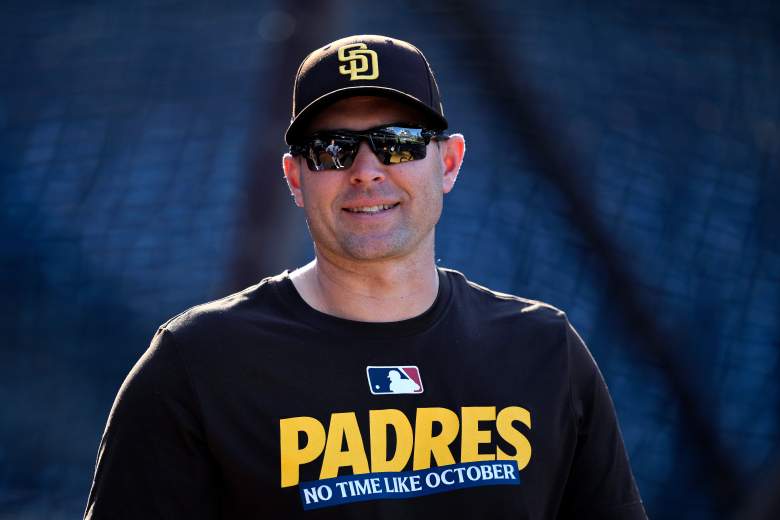
The San Diego Padres have another possible answer to their rotation needs, although the newest suggestion comes with a number worth examining. Bleacher Report’s Tim Kelly predicts Foster Griffin will sign with San Diego to a three-year, $56 million deal.
That is a November 4 projection, rather than a reported offer or agreement. Available reporting shows no confirmed Padres pursuit.
A multiyear commitment also requires more than one season of evidence. San Diego would need to judge his durability and the repeatability of that broad pitch mix.
Griffin’s 2026 season gives the idea a foundation. The left-hander supplied a substantial workload and finished with a 3.60 ERA, making him relevant to a club seeking dependable innings.
But his expected ERA was considerably higher. That difference adds a useful question for San Diego to investigate before treating an appealing season as a straightforward guide to his next contract.
Foster Griffin’s Workload Gives San Diego a Starting Point
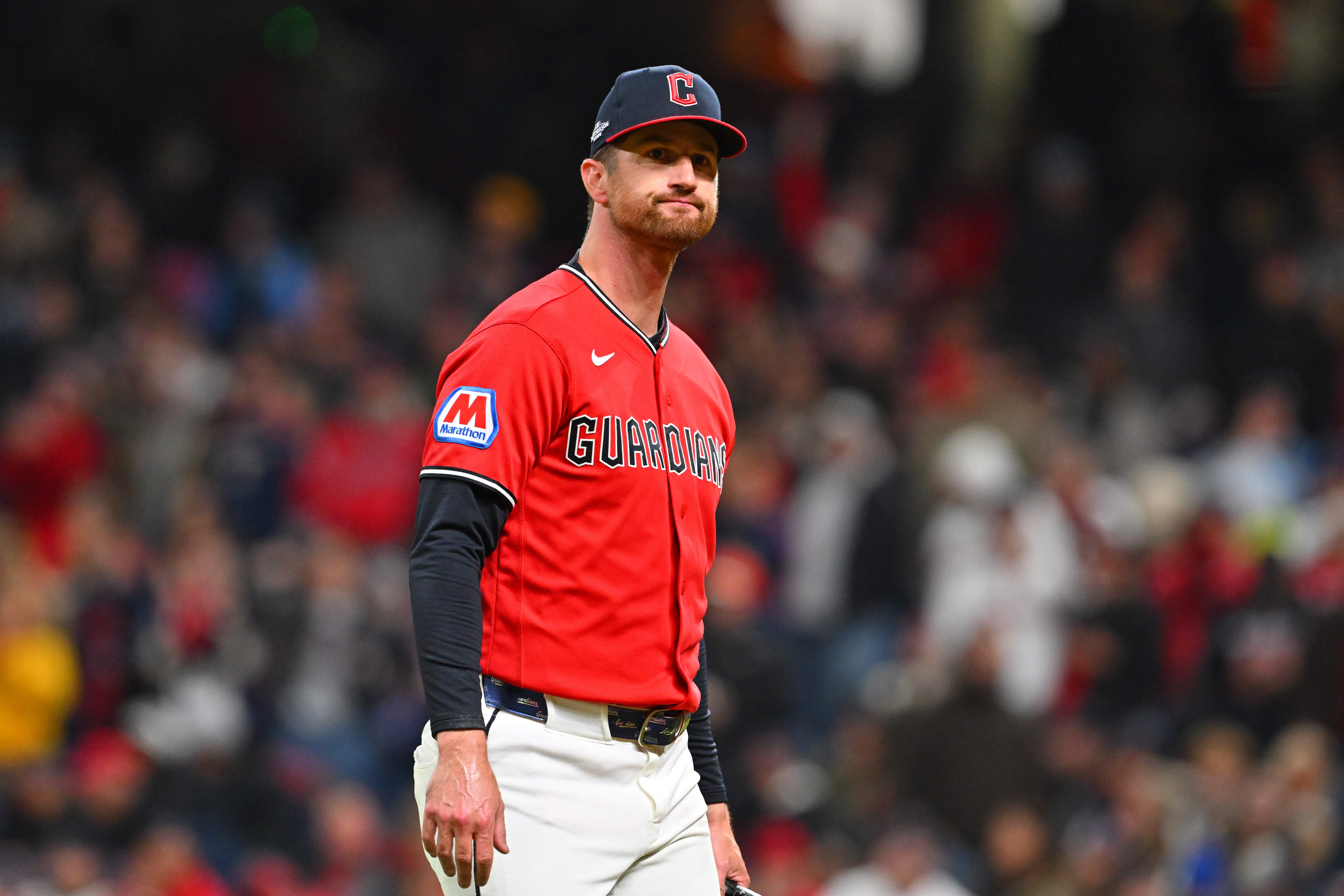
Baseball-Reference’s season record lists Griffin with 31 starts, 172.2 innings and 158 strikeouts in 2026. He finished 15-6 while pitching for Washington and Cleveland.
The volume matters for a team assembling a rotation. A starter who consistently takes a turn can ease pressure on relievers and provide more predictable coverage over a long season.
His results varied between clubs. Griffin posted a 3.06 ERA in 22 starts for the Nationals, followed by a 5.19 ERA across nine starts with the Guardians.
Those splits require context rather than an automatic preference for either stretch. The Cleveland sample was smaller, and the full season remains the broader reference point.
Baseball Savant’s record also shows a 21.9% strikeout rate and a 6.2% walk rate. His walk percentage compared favorably with the MLB figure of 8.4% shown in the same table.
That control offers a concrete reason to examine his fit, particularly alongside pitchers who can provide different strengths.
The Expected ERA Creates Another Question
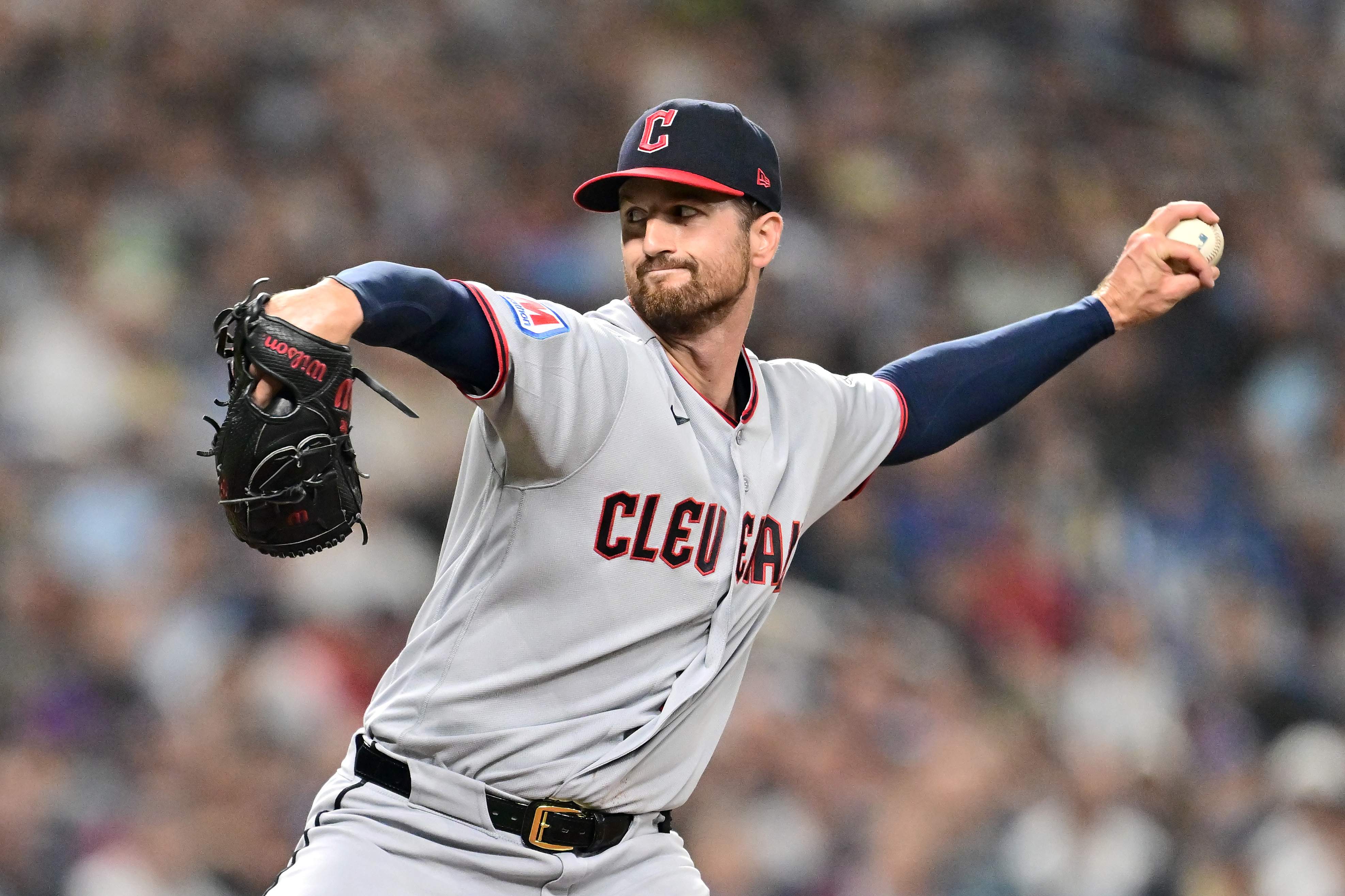
The caution appears in Griffin’s 4.35 expected ERA, compared with his actual 3.60 mark. MLB’s explanation of expected ERA describes a measure incorporating strikeouts, walks, and quality of contact.
That gap does not dictate next season’s result. It does suggest the Padres should investigate how much of his run prevention can carry forward against another schedule of major league hitters.
Griffin also presents an approach different from a power-first starter. His four-seam fastball averaged 91.5 mph in 2026, and Savant’s pitch breakdown lists seven offerings.
A varied arsenal can provide multiple ways to attack hitters. Its value still depends on execution, sequencing, and whether opposing lineups adjust.
The Padres can reasonably consider Griffin among possible rotation additions without assuming he solves every vacancy. His workload and control supply the strongest parts of the case, while the expected ERA warrants closer evaluation.
For now, the new projection identifies an option to study. San Diego would still need the player’s price and projected performance to fit its broader pitching plan.



Padres Predicted to Add All-Star With a Number Worth Watching