
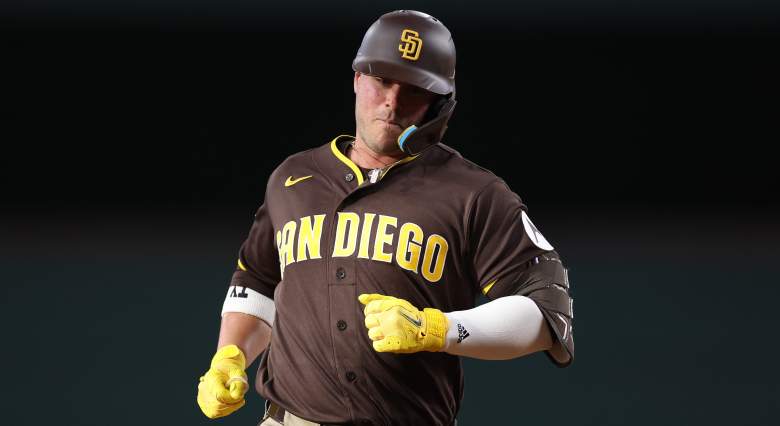
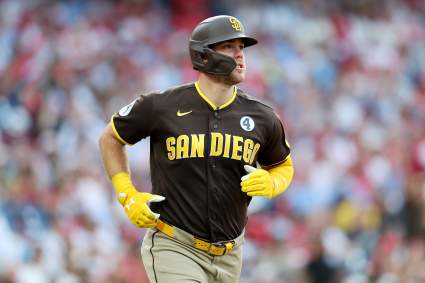
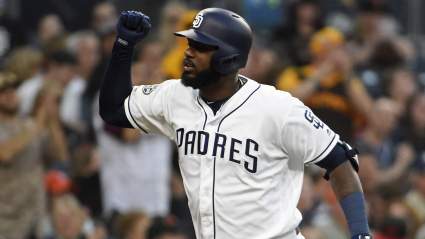
Ty France hit 21 home runs for the San Diego Padres in 2026, triple his total from the previous season. His free agency now forces San Diego to decide how much to pay for that breakout. He hit the ball harder and pulled more contact in the air, while his overall expected production barely moved.
Baseball Savant’s season data put France’s weighted on-base average at .373 and his expected mark at .327. The 46-point difference frames the contract decision. San Diego can put a price on the contact changes that show up in the data and allow for a lower offensive return if his results move closer to the underlying numbers.
France Made Real Gains in How He Hit the Ball
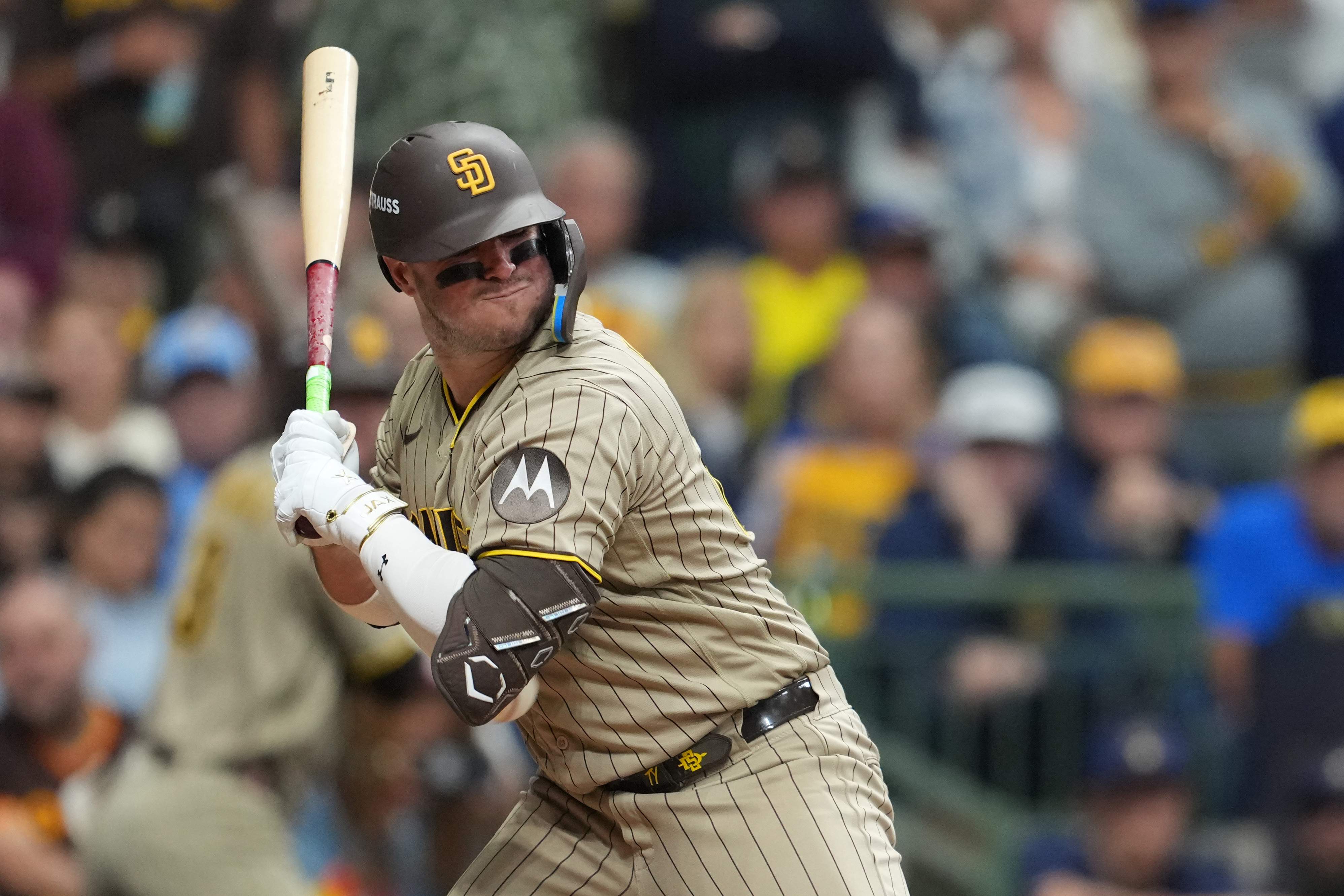
His average exit velocity rose from 89.5 mph to 91.5 mph. His barrel rate increased from 7.7% to 9.1%, and the share of balls he hit in the air to his pull side climbed from 13.2% to 19.1%. Those changes help explain where the extra power came from.
Pulling more balls in the air gives a hitter additional chances to turn hard contact into extra bases. It also gives the Padres something specific to evaluate in video and scouting. They can look at which pitches France drove and whether he continued getting to them when opponents adjusted.
His walk rate improved to 7.4%, but his strikeout rate also climbed to 21.6%. The harder contact came alongside more plate appearances that ended without a ball in play. That combination matters when the club estimates his overall offensive value.
The Contract Should Account for Two Outcomes
France slugged .502 in 2026. Statcast calculated a .421 expected slugging percentage, close to his .425 expected mark in 2025. His expected weighted on-base average likewise moved only from .328 to .327 even as his actual mark improved from .302 to .373.
The difference also appears against four-seam fastballs. France slugged .410 against the pitch, compared with .357 expected slugging, in 162 plate appearances ending on a four-seamer.
MLB’s definition of expected wOBA describes a model that incorporates contact quality, walks and strikeouts. France’s actual wOBA reflects how valuable his plate appearances were for San Diego. The expected figures give the club a separate starting point for estimating what it might buy next.
That leaves a case for bringing him back at a price that works if some of the power holds and the overall line comes down. A longer guarantee would require greater confidence that the changes in his contact translate into multiple productive seasons.
France entered free agency after a season that improved his bargaining position. San Diego should compare its price for the contact gains with what another first baseman would cost. That gives the front office a way to value the player France became while accounting for the range of results his next contract could deliver.
Padres’ 21-Homer Free Agent Has a 46-Point Gap in His Reunion Case