
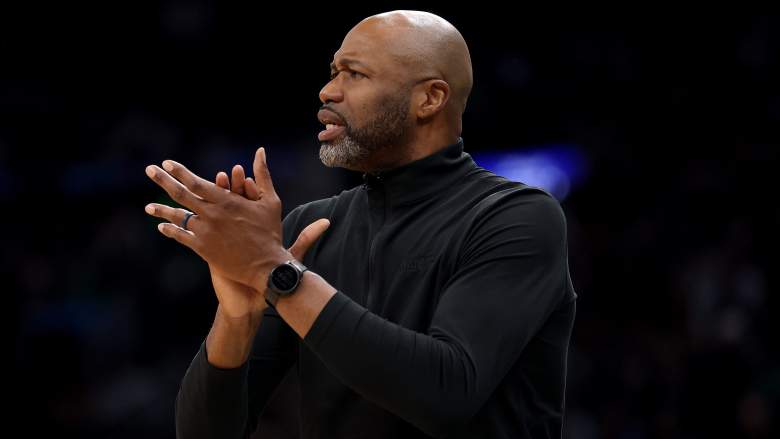
The New Orleans Pelicans scored 135 points on Saturday and still found a way to lose. They led by 23 against Denver, carried a 19-point advantage into the fourth quarter and watched it disappear before falling 141-135 in overtime. The defeat dropped the New Orleans Pelicans to 0-3 under first-year head coach Jamahl Mosley, raising an uncomfortable question: Can this team learn to finish games before its early-season struggles get worse?
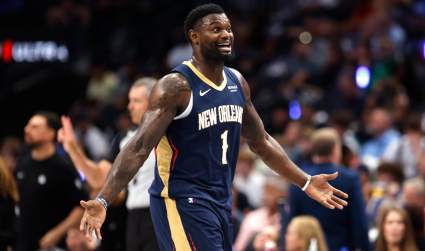
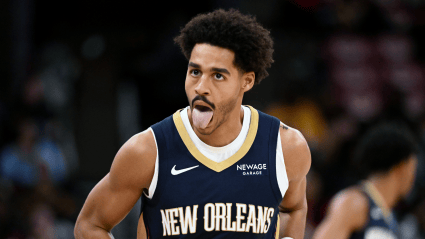
This was not a case of New Orleans failing to generate offense. Trey Murphy III scored 26 points, Dejounte Murray added 22, and Zion Williamson and rookie Derik Queen finished with 17 apiece. The Pelicans shot 50.5% from the field and led for most of the night. Yet when Denver increased the pressure, New Orleans couldn’t find a way to stop the comeback.
Pelicans Blow 23-Point Lead in Fourth-Quarter Collapse
New Orleans looked firmly in control for much of the game. The Pelicans scored 38 points in the opening quarter and added another 35 in the second, taking a 73-57 halftime lead. They extended that advantage to 23 points in the third quarter and entered the final period ahead 108-89. At that point, the game appeared to be theirs to lose.
Then the fourth quarter changed everything. Denver outscored New Orleans 37-18, with Jamal Murray and Nikola Jokic leading the charge. Murray finished with 42 points, while Jokic recorded 35 points, 15 rebounds and 10 assists. The Nuggets eventually tied the game at 126, with Murray making two of three free throws after being fouled on a three-point attempt with 16.8 seconds remaining. Denver then took control in overtime, outscoring the Pelicans 15-9 to complete the comeback.

Jamahl Mosley Points to Self-Inflicted Mistakes
Mosley did not hide his frustration after the game. He pointed to turnovers and Denver’s increased pressure as major factors in the defeat, describing the damage as “self-inflicted wounds.” New Orleans committed 18 turnovers, seven more than the Nuggets, giving away possessions at precisely the time when it needed to protect its lead.
The late-game problems were especially frustrating because the Pelicans had done so much right earlier. They scored efficiently, moved the ball and had four players reach at least 17 points. But once Denver began hitting shots and forcing difficult possessions, New Orleans struggled to respond. A team can survive cold stretches when it has built a substantial lead; it becomes much harder when turnovers and defensive breakdowns allow the opponent to build even more momentum.
Denver’s comeback deserves credit, particularly given that the Nuggets were missing several players. But from New Orleans’ perspective, that makes the defeat even harder to swallow. The Pelicans had the game in their hands and couldn’t close it out.
Pelicans Need Answers Before the Nuggets Rematch
Three games into the season, New Orleans has yet to win under Mosley. The first two defeats were narrow losses to Indiana and Utah, and Saturday’s overtime loss was competitive on the scoreboard. But the way the Pelicans surrendered such a large lead is a different kind of concern. They have shown they can score enough to compete; they have not demonstrated that they can consistently make the plays required to win.
The schedule offers an immediate opportunity to respond. New Orleans hosts Denver again on Wednesday, giving Mosley and his players a chance to address the problems exposed in the collapse. Protecting the ball, responding to defensive pressure and getting stops late will be essential if the Pelicans want a different result.
One loss does not define a season, and three games are far too few to make sweeping judgments about a new coaching era. Still, the Pelicans cannot ignore what happened in Denver. Building a big lead is encouraging. Learning how to protect it may be the more important task facing Mosley and his team right now.


Pelicans’ 23-Point Collapse Raises a Bigger Question for Mosley