
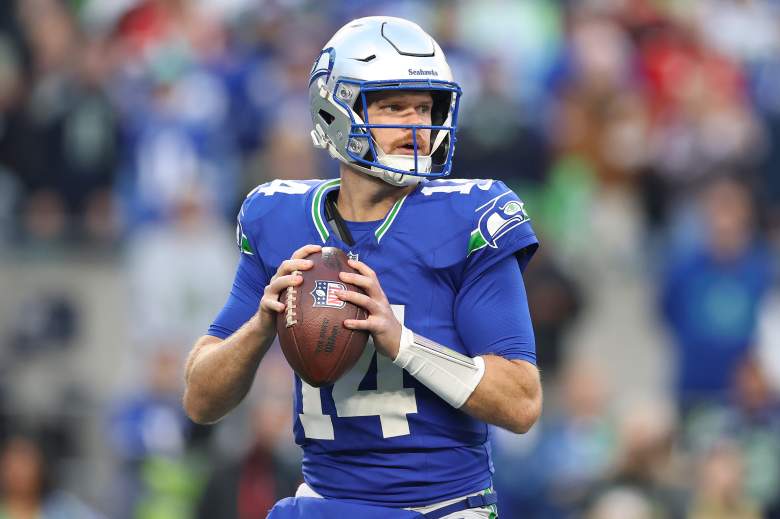
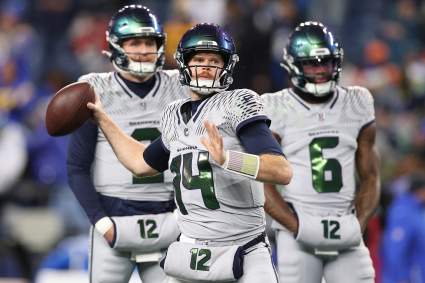
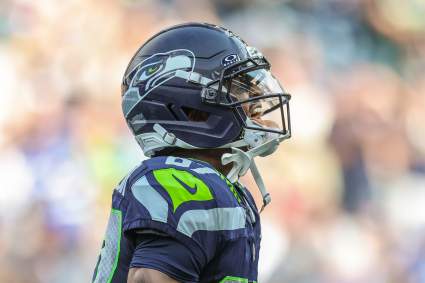
The Seattle Seahawks needed a different version of Sam Darnold after turnovers derailed their offense in recent weeks. On Sunday, they got one.
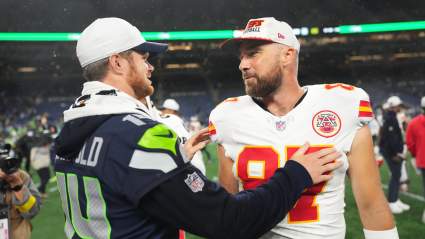
Darnold completed 20 of 28 passes for 257 yards and a touchdown in Seattle’s 20-3 win over the Kansas City Chiefs on October 25, helping the Seahawks dominate time of possession and keep Patrick Mahomes on the sideline.
The quarterback still threw an interception, but Seattle’s offense looked considerably sharper than it had in recent outings.
After the game, Darnold revealed that a change in his approach during the week helped produce the improved performance.
Sam Darnold Explains What Changed for Seahawks Offense
Speaking with reporters following Sunday’s victory, Darnold pointed to a conscious effort to trust Seattle’s playmakers rather than forcing difficult throws.
“I think for me, you know, learning from the last few weeks and just putting the ball in play and letting our great athletes go out there and try to make guys miss and maybe run for a first down,” Darnold said.
He specifically referenced a third-down conversion involving Cooper Kupp, when a shorter completion gave the receiver an opportunity to gain the remaining yards.
“My mindset being that way throughout the week really helped me in the game,” Darnold added.
The results were difficult to ignore.
Seattle converted 11 of 16 third-down attempts against Kansas City, including five conversions on third-and-9 or longer. According to Seahawks.com, the 11 conversions were the team’s most in a game since third-down tracking began in 1991.
The Seahawks had entered Week 7 near the bottom of the NFL in third-down conversion rate, making Sunday’s performance a particularly dramatic turnaround.
Darnold also benefited from significantly better protection. After surrendering five sacks in the previous game, Seattle’s offensive line did not allow a sack against Kansas City.
Kupp noticed the difference in his quarterback’s command of the offense.
Following the victory, the veteran receiver praised Darnold’s ability to work through his progressions, play decisively and get the football into the hands of his teammates.
Darnold Says Seahawks Made Another Change Against Chiefs
Seattle’s quarterback also identified a procedural adjustment that helped the offense operate against Kansas City’s defense.
“That was a huge point of emphasis this week,” Darnold said when asked about the offense getting to the line of scrimmage more quickly.
Darnold described an emphasis on cleaner communication between the huddle and the line of scrimmage, along with varying snap counts to prevent the Chiefs from settling into a rhythm.
The Seahawks quarterback said the approach allowed the offense to get set and snap the ball quickly on some plays, while spending considerably longer at the line on others.
“It just puts the defense in a bind,” Darnold said.
The changes helped Seattle sustain drives throughout the night. The Seahawks finished with 410 total yards and held the ball for 35 minutes, 51 seconds. Their running game also contributed 153 yards, led by Emanuel Wilson’s 100-yard performance.
The emphasis on execution was particularly notable against Kansas City defensive coordinator Steve Spagnuolo, whose defense regularly challenges quarterbacks with varied fronts and coverage looks.
Sam Darnold Still Takes Responsibility for Costly Interception
Sunday’s performance was encouraging, but it did not entirely erase Darnold’s turnover concerns.
The quarterback threw an interception in the end zone just before halftime, ending a promising Seattle possession without points.
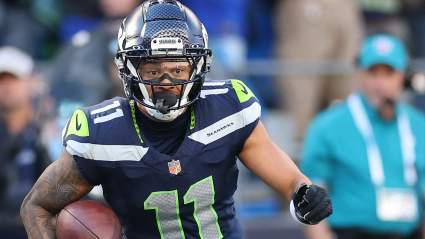
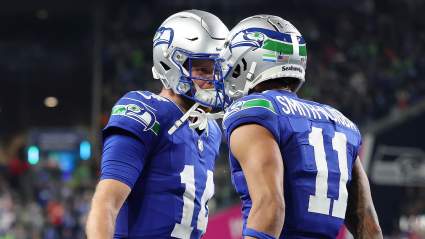
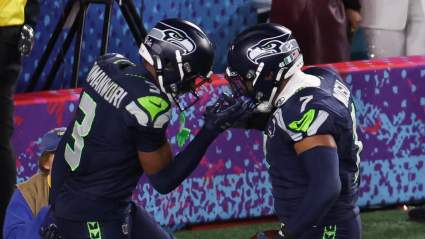
Following the game, Jaxon Smith-Njigba reportedly accepted responsibility for the play, but Darnold rejected his teammate’s attempt to take the blame.
“It’s a great teammate right there,” Darnold said. “But no, it was definitely my fault.”
Darnold added that Seattle regularly practices the situation and characterized the interception as a bad decision.
It was his third interception over two games after throwing two in the Seahawks’ previous loss.
Still, Sunday’s outing offered evidence that Seattle’s offense can succeed without relying exclusively on explosive passing plays.
Against Kansas City, Darnold consistently kept drives alive, trusted his receivers to gain yards after the catch and operated behind an offensive line that kept him upright.
For a Seahawks offense that had struggled to sustain possessions, those were meaningful changes, even if Darnold believes there is more work to do.

Sam Darnold Reveals What Changed for Seahawks in Win Over Chiefs