
The Winnipeg Jets have done a solid job defensively in 2026-27. But one aspect of their game remains a major concern.
Nobody is questioning how well the Jets have played defensively in the final 40 minutes of their first seven contests. It seems like as the game goes on, the Jets find their groove and shut down opposing scoring units.
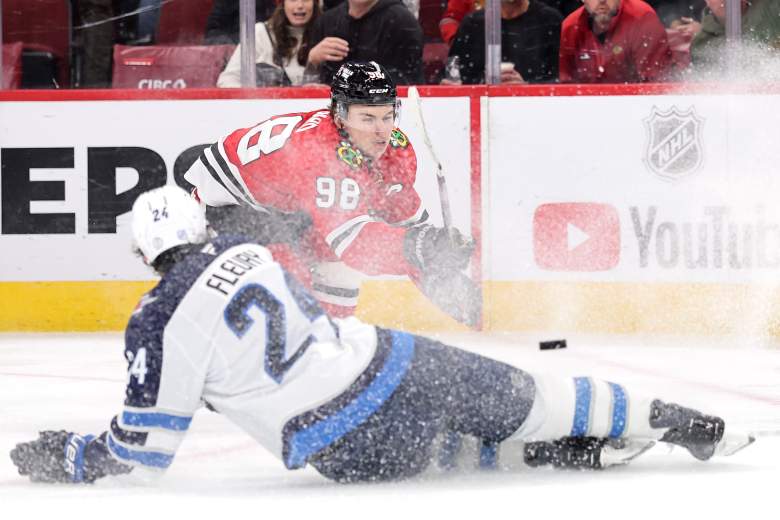
The problem, however, is their defensive play in the first period. This issue emerged once again in Winnipeg’s 4-3 overtime loss to the Chicago Blackhawks on Thursday. The Jets allowed three goals on 14 shots in the first period, before shutting out Chicago in the second and third frames.
They also allowed fewer shots per period (6) in the final 40 minutes of regulation. That’s 12 combined shots, two fewer than they allowed in the first period alone. Therefore, it’s not hard to see where the problem is for a Jets team that has the potential to be stellar defensively.
Unfortunately, they didn’t hold in overtime on Thursday and allowed Artyom Levshunov to get one past goaltender Stuart Skinner. Still, the ongoing trend has become too obvious to ignore.
Winnipeg Jets Must Shut Down Opponents In The First Period
Winnipeg has allowed 21 goals all season. Six have come in the first period over the past three games. Another two came in the first period against the Boston Bruins in the season opener. So far, the Jets have allowed eight goals in the first frame, or 38 percent.
They also allowed two overtime goals, the first of which came against the Bruins. The remaining 11, or 52.4 percent, have come in the second or third period. This further shows that Winnipeg has a tougher time getting going in the game’s first 20 minutes.
Here’s another trend: the Jets’ play in the first period looks like it’s regressing. Following the Boston game, the Jets shut out their next three opponents in the first period before allowing six first-period goals in their previous three contests. The good news? It shows that they can hold the fort down in the first frame. It’s just not consistent.
Jets Must Find A Way To Translate Success In Second, Third Periods To The First Frame
There is no Connor Hellebuyck in the crease to mitigate the Jets’ recent defensive struggles in the first period. So they must get consistent defensively for all 60 minutes and the occasional overtime period.
They do, however, have a blueprint thanks to their stellar play in Periods 2 and 3. If they go over what has worked for them in the final 40 minutes and apply it to the game’s first 20 minutes, they won’t allow four or five goals on most nights.
Offensively, Winnipeg is also starting to open up. In Thursday’s loss to the Blackhawks, Neal Pionk became a big name to watch. So many times, Kyle Connor, Cole Perfetti, and more recently Mark Scheifele have become the lifeblood of the Winnipeg Jets’ scoring.
With signs pointing toward a better-scoring offense that’s diversifying, getting their act together defensively could work wonders for the Jets. When they next hit the ice, they will have the perfect opponent to play 60 solid minutes of hockey defensively: the Carolina Hurricanes.
Winnipeg Jets’ First-Period Defense Shows Alarming Trend