

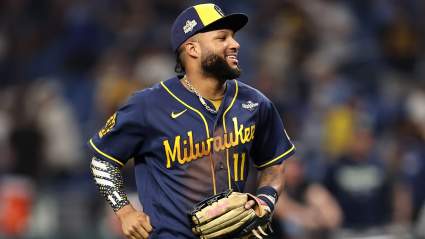
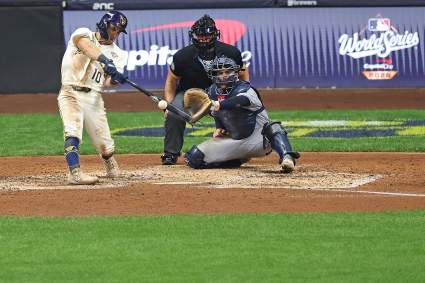
William Contreras delivered three hits for the Milwaukee Brewers on Monday night. His performance was even cleaner in one area.
The catcher successfully challenged four ball-strike calls during Game 3 of the World Series, according to MLB’s game report.
That perfect challenge record gives Milwaukee fans something to discuss beyond the offense. Contreras helped change the counts his pitchers worked with, turning disputed calls into strikes while the Brewers moved closer to their first championship.
USA Today’s winners-and-losers analysis identified the same contribution: four challenged balls, four reversals.
His batting line will be easy to find. The decisions behind the plate deserve their own look before Game 4.
Why Contreras Could Keep Challenging
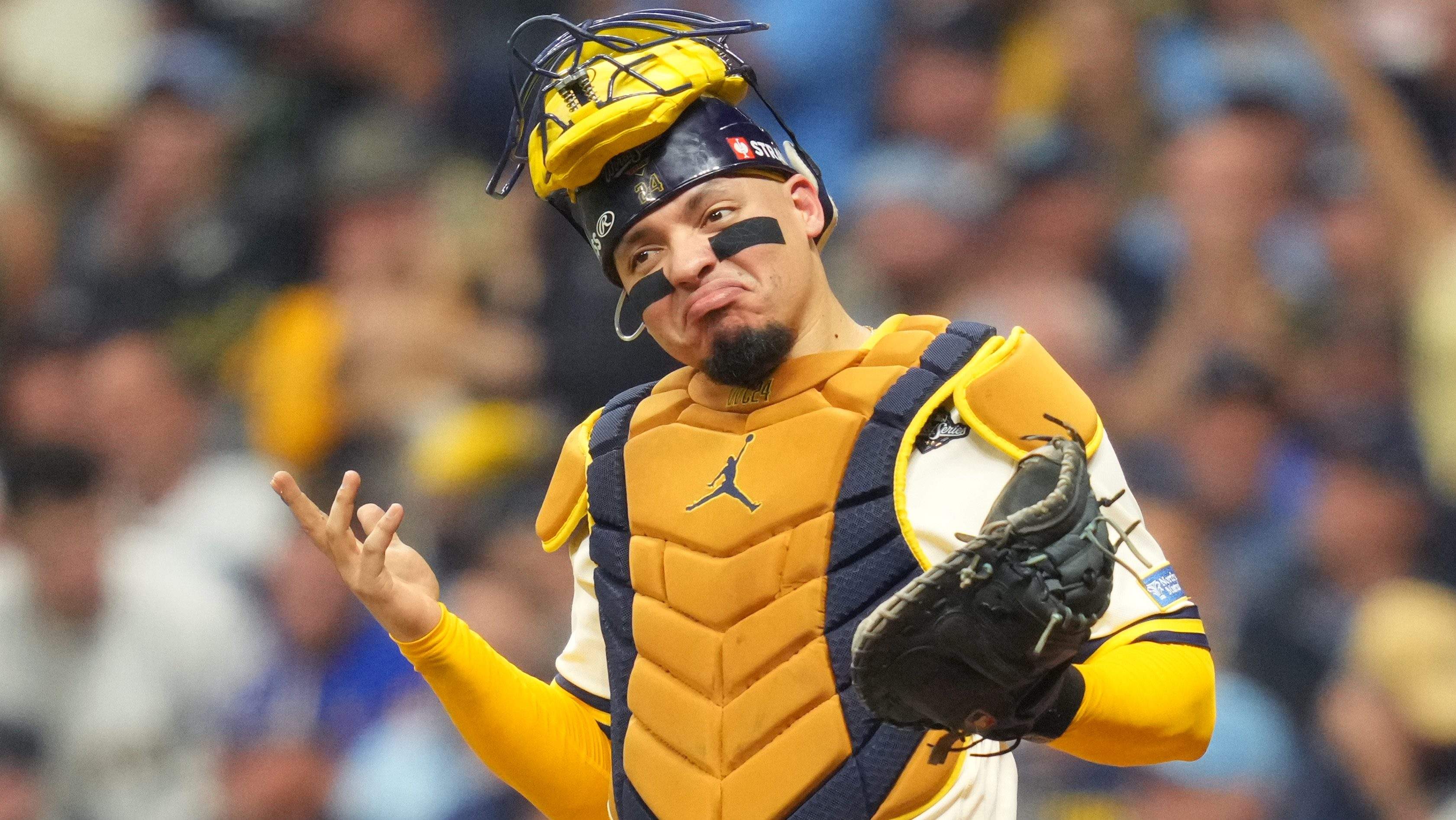
The key to understanding the night is that a successful challenge does not carry the same cost as an unsuccessful one.
As the Associated Press explained earlier this postseason, teams exhaust their challenges after two unsuccessful attempts. Winning a review preserves the ability to challenge again.
That changes the argument about timing. An early challenge is not automatically wasteful simply because a more dramatic situation could arrive later.
If the catcher is correct, his team receives the corrected call and keeps its remaining opportunities. The difficult decision comes when confidence is lower and the cost of being wrong becomes more important.
Monday’s results cannot prove that every early challenge is wise. They do show why judging a challenge entirely by the inning misses part of the calculation.
Contreras was right on each of his four attempts.

The Debate Goes Beyond One Blowout
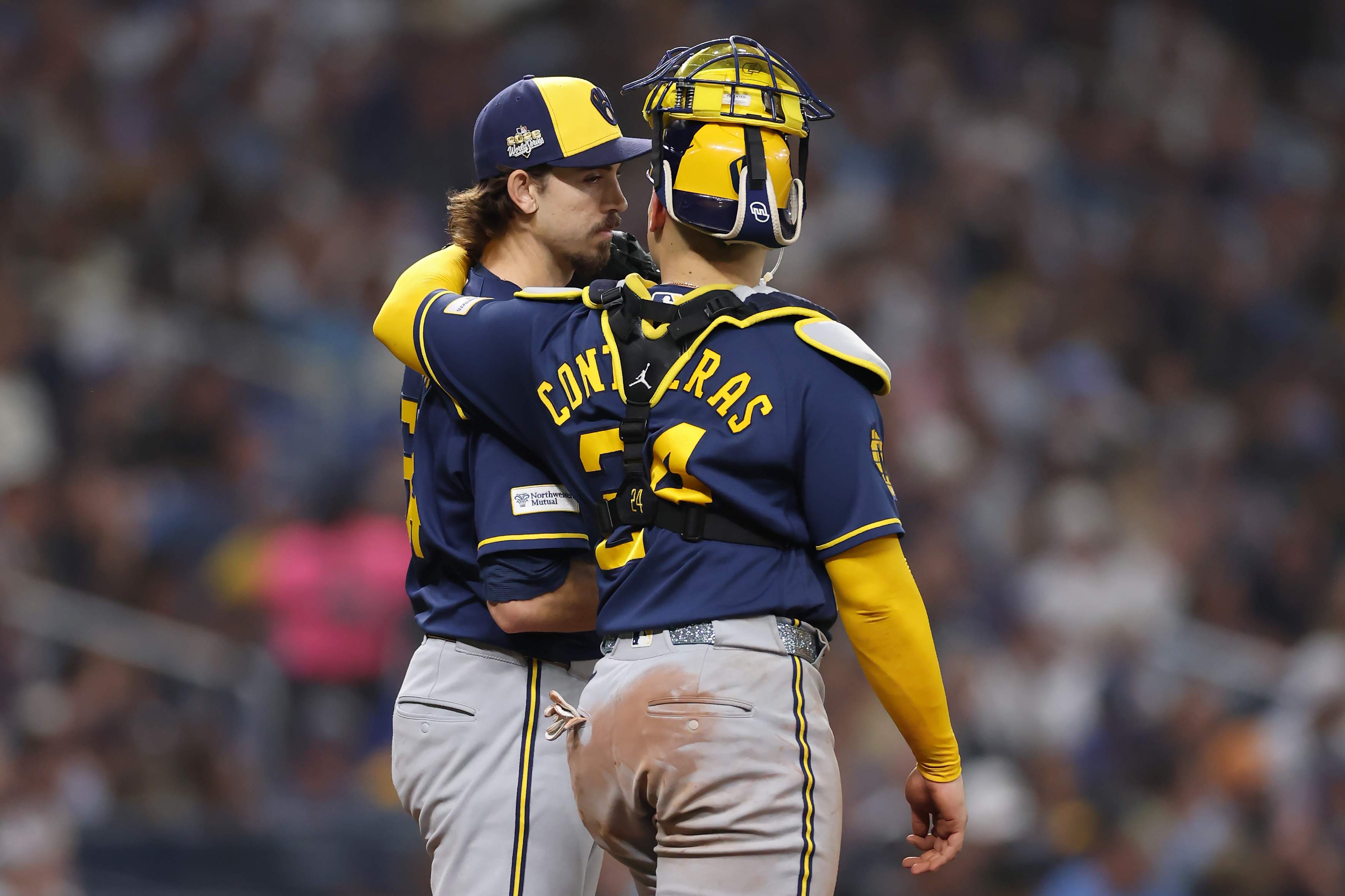
The performance quickly attracted attention in an October 27 baseball discussion, where fans debated challenge strategy and the television broadcast’s treatment of it.
Some fans favored reviews whenever Contreras trusted his read. Others questioned the risk in quiet situations. The disagreement concerned whether the benefit justified spending a limited opportunity.
There is broader context for the interest. The Ringer’s postseason analysis found that catchers were accounting for a larger share of challenges as teams adapted to the system.
That places Contreras’ night inside a developing part of baseball strategy. Catching now includes another visible decision: when to ask the technology to revisit a call.
Earlier in October, AP reported that catchers had won 42 of 70 challenges across the first two rounds. Those figures are dated context, not a current World Series leaderboard. They help explain why a catcher recognizing the zone has become a meaningful part of the conversation about Milwaukee’s overall postseason success.
For Milwaukee, the useful takeaway is specific. Contreras supplied offense and repeatedly identified pitches that warranted correction. Assigning an exact number of runs or a win to those challenges would require additional analysis.
The Brewers still have to finish the series. But when viewers evaluate Contreras in the next game, watching only his at-bats will leave out one of Monday’s most effective contributions.






Brewers’ William Contreras Was Perfect at Something Other Than Hitting