
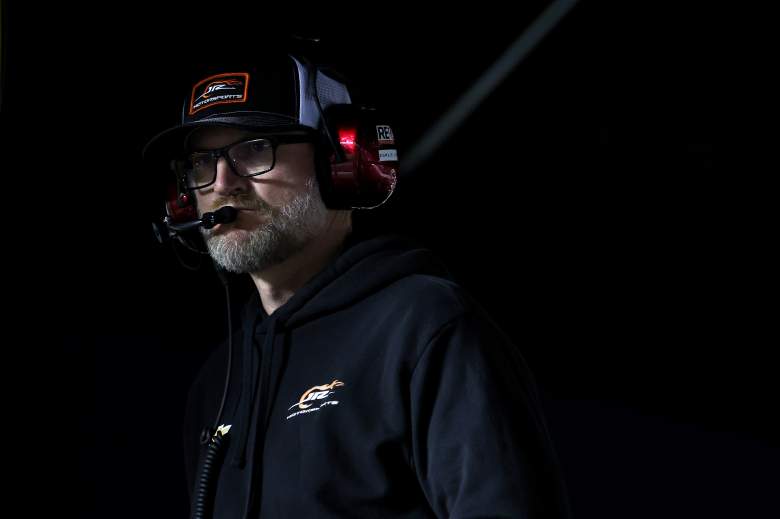
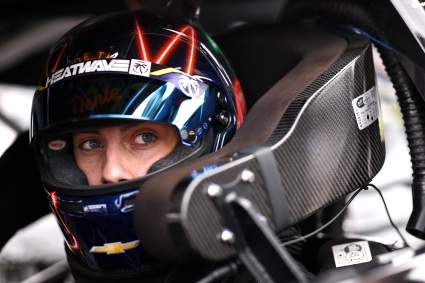
NASCAR Hall of Famer Dale Earnhardt Jr. has shared his thoughts on television commercials during live NASCAR races, questioning why fans have become increasingly concerned about advertising breaks during green-flag action.
The former driver argued that networks have followed this approach for decades and that it should not automatically be treated as a problem.
During a discussion about NASCAR broadcasts and race formats, Earnhardt explained why viewers do not necessarily need to watch every second of a race.
He also addressed the challenges of covering events at Daytona International Speedway and Talladega Superspeedway, where drivers often run close together. His comments have renewed attention on NASCAR broadcast commercials and the balance between advertising and live racing.
Dale Earnhardt Jr. Defends NASCAR Broadcast Commercials During Green-Flag Racing
Earnhardt defended the traditional approach to NASCAR television coverage, pointing out that networks have shown commercials during green-flag racing for around 50 years.
He questioned why the practice had become such a major concern among fans when it had been part of NASCAR broadcasts for generations.
“There’s nothing wrong with wondering what the hell’s going on in the race while the commercial’s playing,” Earnhardt said.
He also explained that fans do not always remain in front of their televisions throughout a NASCAR race. Some viewers step away to get food, visit the refrigerator or talk with friends while the broadcast continues.
According to Earnhardt, that does not mean television networks should avoid commercial breaks during green-flag racing.
He suggested that viewers can return to the action when the broadcast resumes. His comments focused on the traditional relationship between television advertising and NASCAR race coverage.
Daytona and Talladega Present a Challenge for NASCAR Broadcast Coverage
The discussion also touched on the difficulties of covering races at Daytona International Speedway and Talladega Superspeedway.
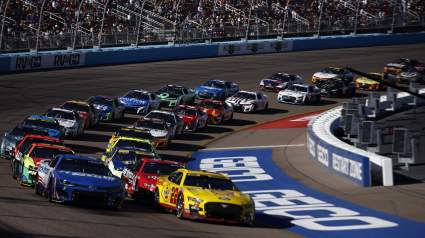
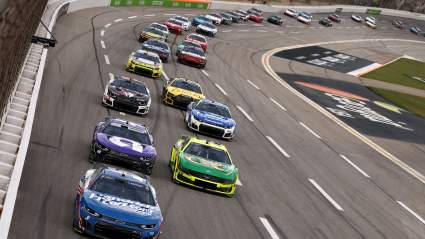
Both tracks are known for pack racing, with drivers often running close together and using the draft to maintain their positions.
Unlike some other NASCAR tracks, where competitors can spread out over several laps, Daytona and Talladega frequently produce tightly packed racing. A commercial break during green-flag action could therefore overlap with an important battle, a position change or a major incident.
That creates a particular challenge for NASCAR broadcast teams because fans want to follow the action as it happens.
However, Earnhardt maintained that commercials during green-flag racing were common long before today’s television coverage. He suggested that the traditional approach should still be considered when discussing how networks manage advertising.
His comments also highlighted how NASCAR broadcasts have changed as fans have become more accustomed to following every moment of a race.
Former NASCAR Broadcast Style Brings Back Memories of the 1980s and 1990s
Another speaker in the discussion agreed with Earnhardt’s argument and recalled watching NASCAR races during the 1980s and 1990s.
The speaker remembered returning from commercial breaks to discover that a major crash had happened while the broadcast was away. Cars could be scattered around the track, leaving viewers trying to understand what had taken place.
That experience sometimes made the return from commercials surprising, particularly when networks showed replays of incidents that happened during the break.
The conversation later moved toward NASCAR race formats and the possibility of changes to stage breaks.
Earnhardt avoided making predictions about what NASCAR might change, saying he did not want to get himself into trouble by speculating about the format debate.
However, his position on NASCAR broadcast commercials remained clear. He believes the traditional approach to advertising during live races should not automatically be treated as a problem, even as television networks face growing pressure to keep fans connected to every important moment.
NASCAR Hall of Famer Calls Out Broadcast Commercials During Key Moments