
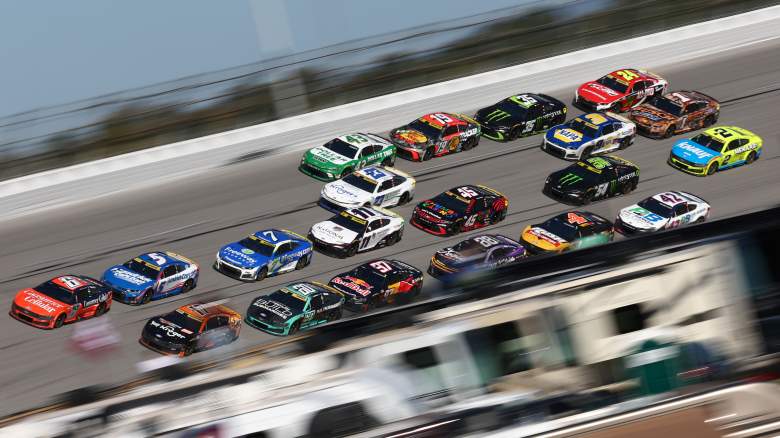
Dale Earnhardt Jr. wants NASCAR to change its scoring system and car package after fuel saving took center stage during the 2026 Daytona 500. The two-time Daytona 500 winner called the problem an “epidemic” and said drivers need more reasons to race hard instead of running at reduced throttle.
Speaking on his Dale Jr. Download podcast, Earnhardt targeted the fastest-lap point and called for NASCAR to restore points for leading a lap. He also wants extra points for the driver who leads the most laps.
Earnhardt linked the fuel-saving trend to the Next Gen car, introduced in 2022, and the time crews need to refuel compared with changing tires. He believes changes to both the points system and car design would give drivers more reasons to push forward.
Dale Earnhardt Jr. Wants NASCAR to Remove Fastest-Lap Points
Earnhardt believes NASCAR should remove the fastest-lap point and bring back the point awarded for leading a lap. He argued the current system does little to encourage drivers to fight for the lead.
“One of the things that we got away from was the point that you get for leading a lap. I’d love to go back to that,” Earnhardt said.
He also criticized the fastest-lap bonus.
“Right now, we give you a point for having the fastest lap. And that’s really just an ad sale.”
Earnhardt called for NASCAR to remove the bonus and award one point for leading a lap. He also proposed giving the driver who leads the most laps between three and five extra points.
“So, let’s get rid of that. I think get rid of that 100%. Get rid of the fastest lap. It needs to go away. Give a single point for leading a lap.”
NASCAR removed the lap-leading and most-laps-led bonuses in 2017 when stage racing began. Earnhardt believes restoring those rewards would give drivers a stronger incentive to race toward the front instead of saving fuel.
NASCAR Next Gen Car Fuels Fuel-Saving Concerns
Earnhardt traced much of NASCAR’s fuel-saving problem to the Next Gen car, which debuted in 2022. He said the car’s single center-locking lug nut allows crews to change tires quickly, while refueling takes longer.
“I think the reason why we have fuel mileage and massive fuel saving in these races is that the next Gen car introduced a lengthy time frame of filling the car full of fuel,” he said.
Earnhardt explained how the difference affects pit strategy.
“So, now that we have a single lug, it’s quick as hell to change four tires, and it takes a really long time to fuel. And so, fueling now is a premium. You want to do as little of that as possible. So now that’s why you’re saving fuel.”
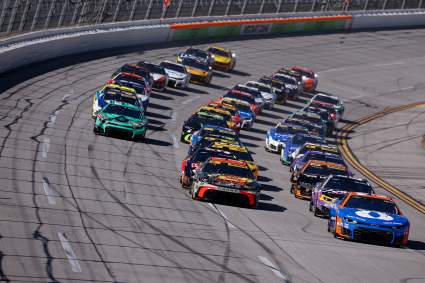
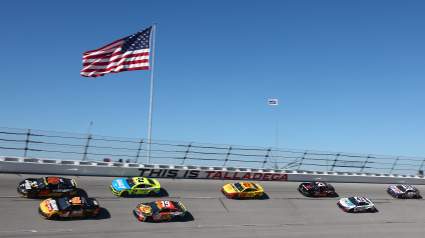
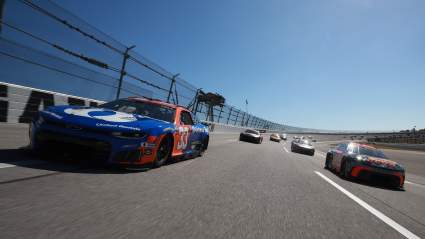
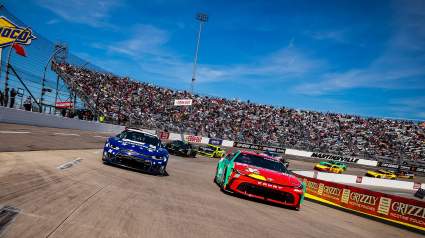
At tracks such as Daytona and Talladega, drivers also risk losing positions if they leave the pack to run at full throttle. This gives teams another reason to conserve fuel until later in a stage or race.
Earnhardt proposed reducing aerodynamic drag so drivers who use full throttle could pull away from cars running at reduced power. He said this change, combined with scoring adjustments, could reduce the benefit of fuel saving.
NASCAR Tests New Package as Fuel Saving Continues
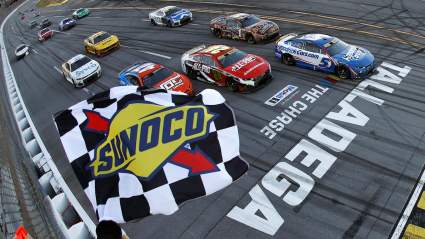
NASCAR has already tried changes to address fuel saving at superspeedway races. The series moved stage breaks at Talladega earlier in the schedule to allow the final two stages to run without a planned fuel stop.
In July, NASCAR also announced a revised superspeedway package for the August Daytona race. The changes reduced the rear spoiler from seven inches to four inches and lowered horsepower from 510 to 465.
Earnhardt supported testing the new package and asked fans for “some grace,” while acknowledging that fuel saving would not disappear overnight.
However, the changes drew criticism. Christopher Bell later called the package “a complete joke” after Talladega. Earnhardt said he agreed with Bell and had long disliked the Next Gen car at Daytona and Talladega.
Fuel saving remained a factor at the August Daytona race and during the opening stage at Talladega on October 25. A Preseason Thunder test at Daytona ahead of the 2027 Rolex 24 is also expected to examine further technical changes.
Earnhardt’s proposals would restore points for leading laps and reduce the aerodynamic advantage of running in a pack. NASCAR has not confirmed whether it will adopt his scoring recommendations.

NASCAR Hall of Famer Slams Fuel-Saving Crisis and Demands Immediate Changes