
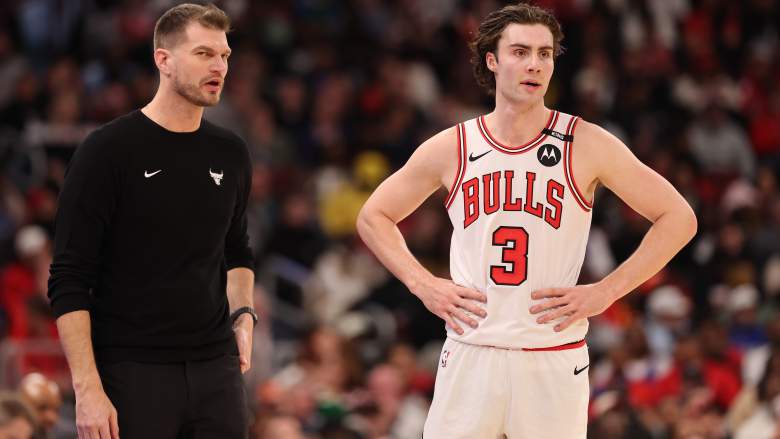
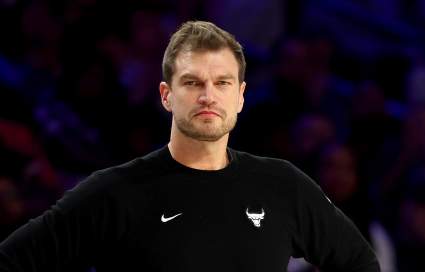
A Josh Giddey candid admission set the tone in the Chicago Bulls’ locker room after Monday night’s 126-115 road loss to the Cleveland Cavaliers. Following an uneven performance marred by six turnovers and defensive breakdowns, first-year head coach Tiago Splitter pulled his starting point guard with 8:44 remaining in the fourth quarter and kept him on the bench for the rest of the night.
Backup guard Tre Jones closed out the contest in Giddey’s place, leaving the 24-year-old Australian playmaker to watch the decisive stretch from the sidelines—and offer zero excuses once the final horn sounded.
Josh Giddey Owns the Night and the Bench Decision
Giddey finished Monday’s loss with four points, four rebounds, and eight assists on 1-of-5 shooting from the floor, but his six turnovers and sluggish defensive rotations outweighed his playmaking. Speaking with reporters postgame, Giddey called his outing subpar from the opening tip and fully backed Splitter’s decision to sit him down the stretch.
“If I want to play down the stretch, I’ve got to play a lot better than that,” Giddey told reporters after the game. He acknowledged that he simply was not ready to match Cleveland’s intensity, noting that his giveaways and defensive lapses hurt the group and adding that he wanted to throw the performance in the trash and move on.
Splitter agreed that Giddey never found his rhythm against the Cavaliers, though the coach made clear he has no immediate plans to shake up his starting five. Splitter framed Chicago’s slow start and defensive slippage as a collective issue rather than placing the loss solely on one player’s shoulders.
Tre Jones Makes His Case in the Closing Minutes
While Giddey watched from the bench, Jones delivered one of his sharpest all-around performances of the season. In 23 minutes off the bench, the steady veteran guard racked up 16 points on 6-of-11 shooting, six assists, four steals, and zero turnovers, keeping Chicago within striking distance behind big scoring nights from Norman Powell (27 points) and Matas Buzelis (23 points).
The fourth-quarter contrast between Chicago’s two primary ball-handlers was unmistakable. Where Giddey struggled against Cleveland’s perimeter pressure, Jones kept the offense organized, pushed the tempo cleanly, and disrupted passing lanes on the defensive end. While Jones’ strong finish does not necessarily signal an imminent lineup change, it underscored that closing minutes are strictly earned under Splitter—something the coach also demonstrated earlier in the season when he closed with Jones in a win over Milwaukee.
Accountability in a Still-Developing Season
Monday’s setback marked a frustrating step backward for Giddey, whose season averages dipped to 10.4 points, 5.3 rebounds, and 8.5 assists per game—well below the 17-point, eight-rebound, nine-assist pace he posted a year ago. He had played much cleaner basketball during Chicago’s recent back-to-back wins over Atlanta and Minnesota, only to unravel against a physical, disciplined Cavaliers backcourt.
Still, delivering a Josh Giddey candid admission rather than deflecting blame carries real weight inside a young locker room trying to establish new habits. Splitter has already shown this month—benchings of rookie Caleb Wilson included—that reputation and draft pedigree will not guarantee fourth-quarter floor time. For Giddey, the immediate challenge is turning that postgame accountability into sharper ball security when games hang in the balance.
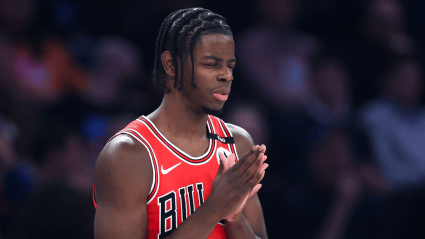
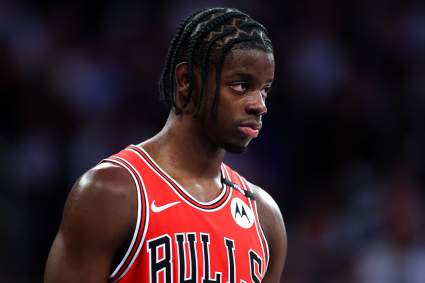
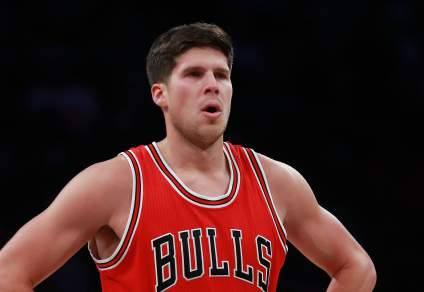
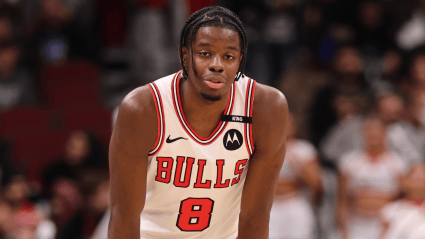
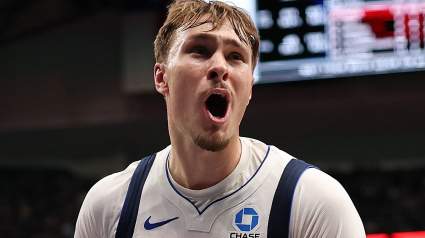
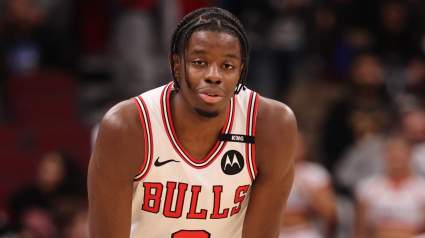
Josh Giddey Candid Admission Follows Fourth-Quarter Benching in Cleveland