
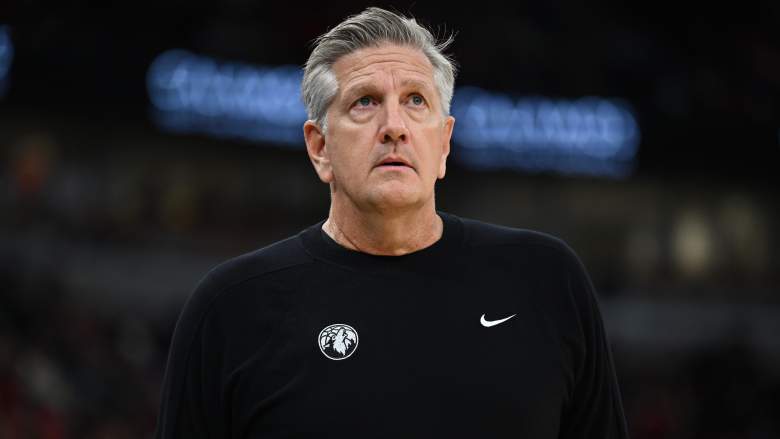
The Minnesota Timberwolves have made an emphatic start to the 2026-27 NBA season, winning their first three games by at least 20 points. Their offense has attracted plenty of attention following the arrival of LaMelo Ball, but head coach Chris Finch has another reason to be encouraged: Minnesota is still playing the kind of defense that has made it a contender in recent seasons.
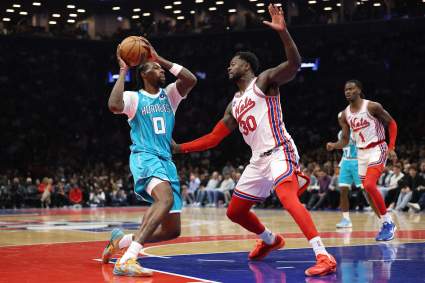
The Timberwolves entered the season with questions about how they would replace Julius Randle and Naz Reid, two important pieces of a roster that finished eighth in defensive rating last season. Through three games, Minnesota ranks first in the NBA in defensive rating at 96.1 points allowed per 100 possessions, according to NBA.com. The early numbers are impressive, but Finch’s comments suggest the more important development is how Minnesota intends to maintain its defensive identity with a reshaped roster.
Chris Finch Is Making a Tactical Adjustment to Minnesota’s Defense
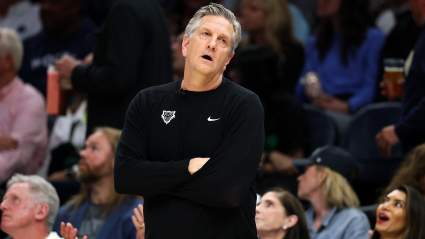
Finch addressed Minnesota’s defensive plans in a September interview with MinnPost, explaining that the team intends to preserve much of the structure built around Rudy Gobert while exploring more aggressive options in other situations.
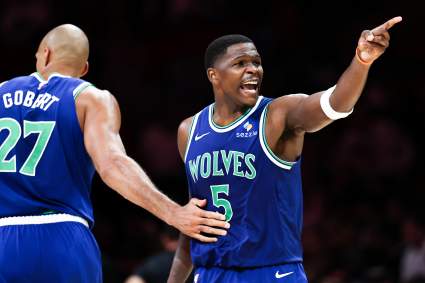
“Rudy’s defensive impact, the way he has guided our defense, we’re not changing too much there,” Finch said, according to Eurohoops’ report. He also emphasized the importance of developing defensive chemistry between Gobert and Ball, adding that Minnesota would need to build a defense around its veteran center while helping the new point guard adjust.
The tactical change could be particularly important when Gobert rests. Finch indicated that Minnesota wants to be more aggressive with backup center Joan Beringer, even if those adjustments initially come in small doses. That gives the Timberwolves an opportunity to change their defensive approach depending on personnel rather than relying on one formula throughout the game.
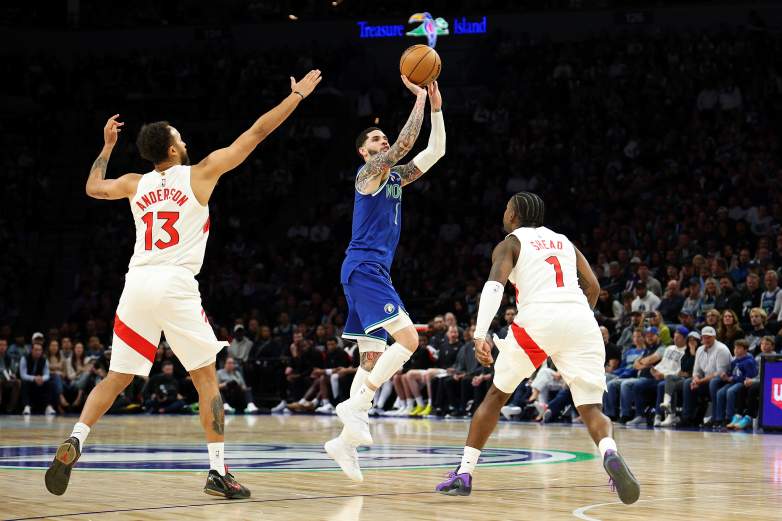
LaMelo Ball Is Part of the Defensive Equation
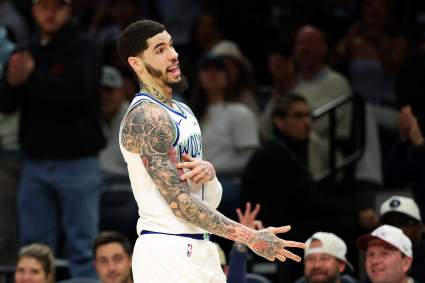
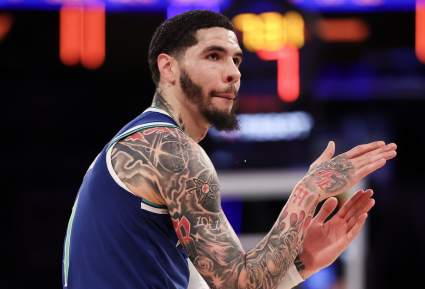
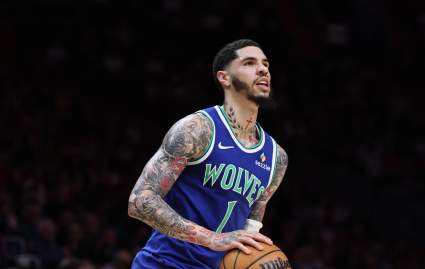
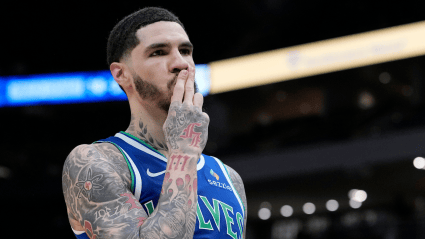
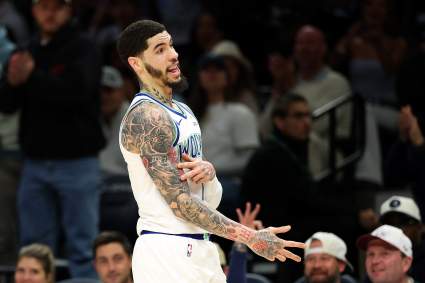
Ball’s arrival created questions about whether Minnesota could preserve its defensive standards while adding another high-usage offensive player. The early returns, however, offer reasons for optimism. In its October 26 power rankings, NBA.com reported that the Timberwolves allowed just 81.2 points per 100 possessions with Ball on the floor. He also led the team with 4.8 deflections per 36 minutes, compared with 2.6 during his final season in Charlotte.
Those numbers need context. Ball’s minutes have been limited early in the season, and 68% of his playing time has come alongside both Gobert and Jaden McDaniels. Nevertheless, his early defensive contributions suggest that Minnesota’s coaching staff may be getting more from him than his reputation would indicate. The challenge is maintaining that level as his workload increases and the Timberwolves face more difficult opponents.
Timberwolves Are Counting on Effort and Teamwork
Minnesota’s defensive coordinator Elston Turner has made it clear that the team’s expectations have not changed despite the offseason departures. Speaking to the Pioneer Press on October 21, Turner recalled the message Ball received when he arrived: “Hey man, we play D around here.” Turner also emphasized that defense receives equal attention to offense in Minnesota’s practices and coaching meetings.
Turner acknowledged concerns about the team’s reduced size following the departures of Randle and Reid, but explained that Minnesota intends to compensate through length, activity and collective responsibility. “Multiple efforts and helping each other and flying around,” he said, describing the approach. “One of our mottos is every possession is a five-player possession.”
Chris Finch Has Reason to Be Encouraged, but the Test Is Ahead
After Minnesota’s 117-94 victory over Toronto on October 25, Finch offered another encouraging assessment of the defense. “Our fly-around is really good,” he said, praising Gobert’s work in the paint and the team’s ability to contest Toronto’s perimeter shots. The Raptors finished shooting 38.5% from the field and 26.3% from three-point range.
Gobert also credited the collective effort. “Everyone is competing, we have each other’s back, and still have a lot of work to do, a lot of room to grow,” he said. That assessment captures the balance Minnesota must strike: the early results are excellent, but the team knows it still has work to do. Toronto was also without Kawhi Leonard, making it important not to overstate what one game proves.
The Timberwolves have not yet demonstrated that their defense has definitively improved over last season. Three games are too small a sample, and the schedule will provide tougher tests. But Finch has identified a practical way to adapt the defense to his new roster, Turner has explained the team’s commitment to collective effort, and Ball’s early numbers provide an encouraging additional development. If Minnesota can maintain those standards while its new offensive pieces settle in, the Timberwolves will have a strong foundation for another competitive season.
Timberwolves Defense Is Sending Chris Finch a Message After Major Changes