
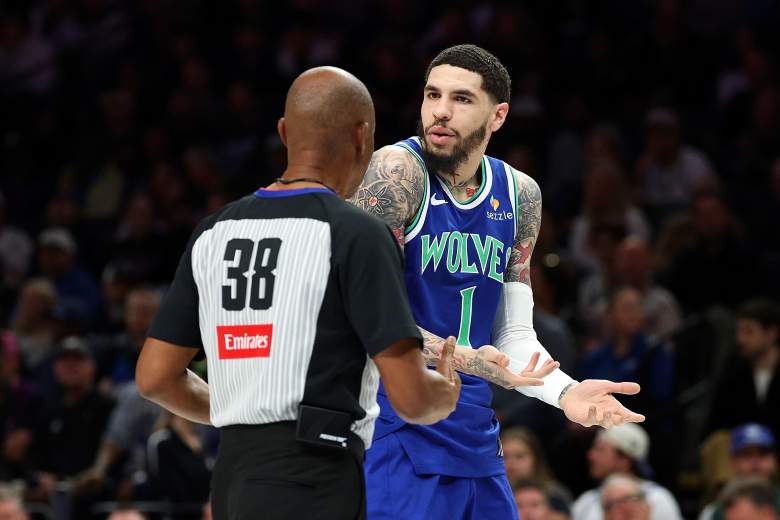
The Minnesota Timberwolves did not need an explanation from LaMelo Ball to understand his assessment of their loss to the Golden State Warriors. Asked about the team’s pace, Ball identified something he believed was missing. His answer to the follow-up question was shorter.
“Yeah, we didn’t have no pace tonight,” Ball said in an interview shared by Andrew Dukowitz.
When asked where that pace comes from, Ball supplied one word: “Running.”
LaMelo Ball Says Timberwolves Lacked Pace Against Warriors
The exchange gave Timberwolves fans a straightforward takeaway without requiring a complicated explanation. Ball believed Minnesota needed to play with more speed. However, his brief response did not identify individual teammates or explain every factor behind the loss.
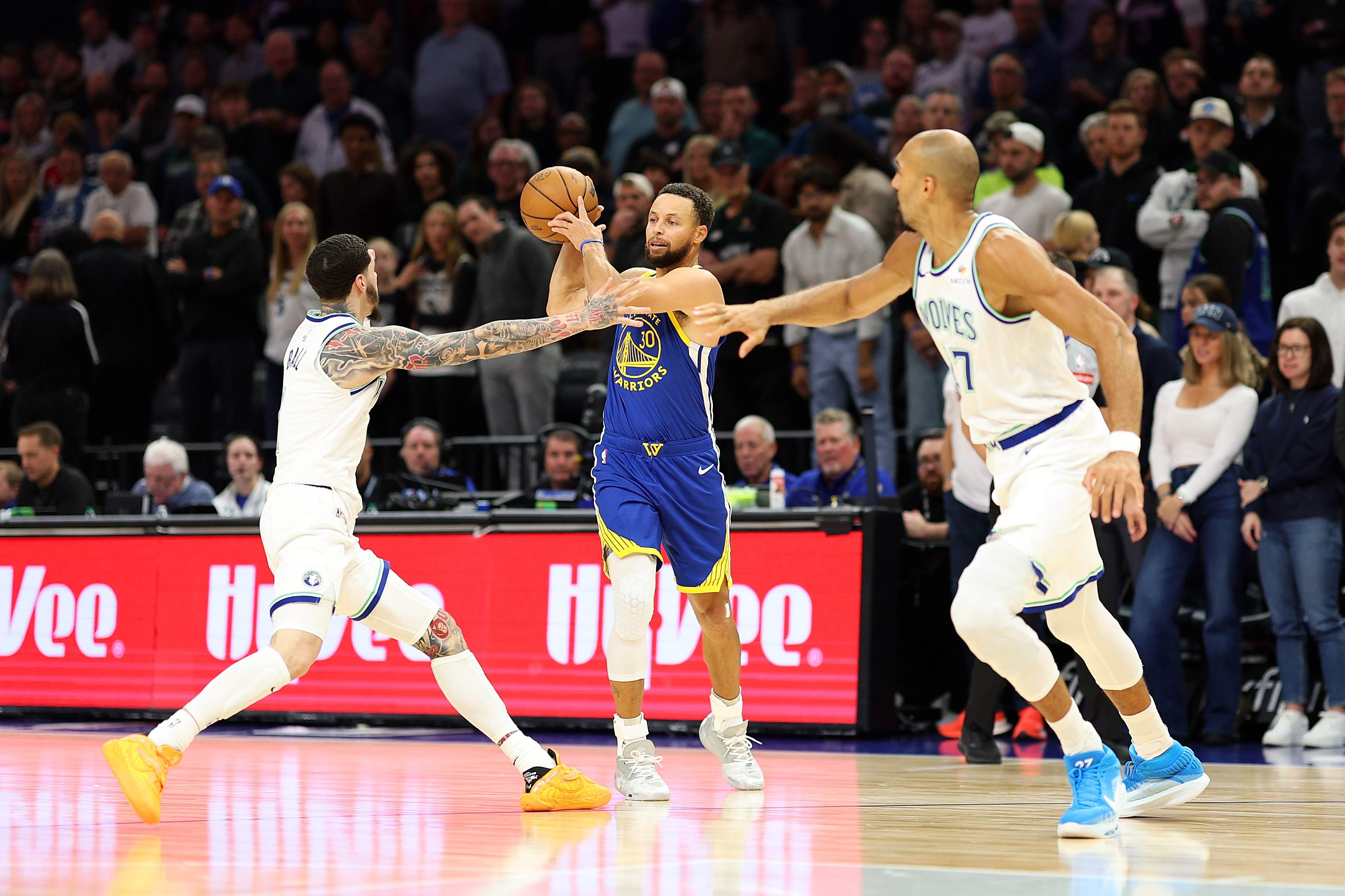
That distinction matters because a short postgame answer can quickly become something larger online. Ball acknowledged a team issue rather than publicly assigning blame. His comments support discussing Minnesota’s tempo, not inventing tension within the locker room.
The basketball question is what improving that tempo requires. Running after a rebound is one part of it, but getting organized quickly matters, too. Advancing the ball early can give an offense opportunities before defenders settle into their preferred positions.
For a passer such as Ball, those moments create possibilities. A teammate sprinting ahead can become a target before the defense identifies the matchup. Even when the first pass does not produce a shot, moving quickly can force an opponent to communicate and adjust.
That is why pace involves more than the player bringing the ball upcourt. Wings need to fill available lanes, and teammates trailing the play need to arrive ready to contribute. One ball handler cannot create a connected transition attack without help.
Ball’s One-Word Answer Highlights Minnesota’s Next Challenge
For Minnesota, the useful response would be visible in its possessions. Are players getting forward after securing the ball? Is the first pass creating movement, or does the offense pause while everyone finds a position?
Those are better questions than assuming more running guarantees better results. Speed without control can produce turnovers or rushed attempts. The objective should be finding quality opportunities earlier, while maintaining enough organization to execute when the initial opening disappears.
Defensive work also influences how often those chances appear. Securing rebounds and creating turnovers can provide opportunities to attack an unsettled opponent. Giving up additional possessions makes it harder to turn a defensive effort into an offensive advantage.
Ball did not offer a tactical breakdown against Golden State. He gave an assessment and a concise answer about the response. The broader challenge is translating that simplicity into repeatable habits.
For Timberwolves fans, the next step is watching whether the movement matches the message. Ball has identified the missing ingredient. Minnesota now needs to show how it can supply it. For now, it seems clear that Ball is missing his running mate, Anthony Edwards.

Timberwolves’ LaMelo Ball Sums Up Warriors Loss With Blunt 1-Word Answer