
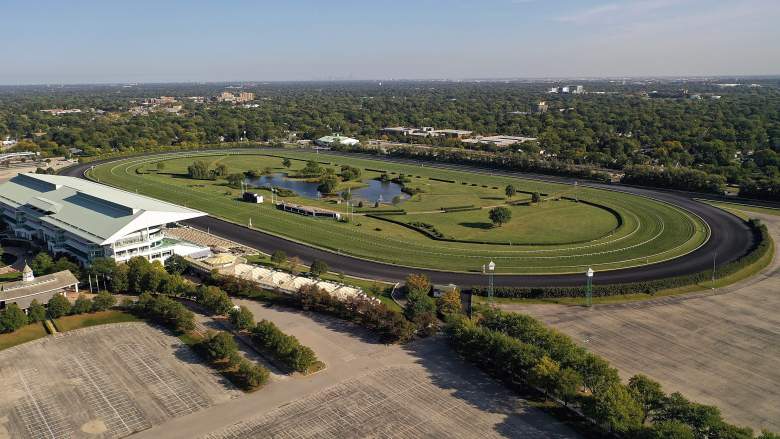
The Chicago Bears‘ stadium fight may get decided by something that sounds boring: a bond. Arlington Heights officials have publicly backed the Springfield bill that would create a stadium authority, and the financing plan taking shape behind it explains why. The Bears stadium funding plan is the piece that decides whether the $3.5 billion project has a legal path in Illinois, and lawmakers have until Dec. 3 to act.
Bears Stadium Funding Plan Explained in Plain English
Here’s the plan as reported, minus the jargon.
First, a public stadium authority would own the stadium, and publicly owned buildings don’t pay property taxes. That’s been the Bears’ biggest sticking point for years.
Second, the authority would issue tax-exempt construction bonds, which carry lower interest rates because investors don’t owe federal tax on the interest. Those bonds would be repaid with new tax revenue generated by the stadium and the properties right around it. Parking and amusement taxes are among the sources named, but the amounts and final details aren’t public.
Third, the Bears would still pay the overwhelming majority of construction costs.
Fourth, there’s a separate public piece. State and local sales taxes generated around the stadium could back bonds for infrastructure like roads and utilities, according to the bill’s lead negotiator, state Sen. Bill Cunningham.
Village officials say new development revenue would back the bonds, “without putting a burden on our taxpayers.”
Why Arlington Heights Has to Say Yes First
The bill lets qualifying Cook County municipalities create the authority, so Arlington Heights is the one that would have to flip the switch, issue the bonds and lease the stadium to the team. The Bears already own the land, but the village would own the process. That’s why its public backing is more than a press release.
It isn’t unanimous. The three school districts that signed an agreement with the village and the Bears built around payments in lieu of taxes said last Friday they still need to study the authority model. Neighbors Palatine and Rolling Meadows want seats on the authority board.
Chicago Is Outside the Room
The bill is site-neutral, so Chicago could create an authority too. But Crain’s reported that the Bears have kept City Hall and Chicago-based developers at arm’s length while they hammer out a deal in the northwest suburbs. Read that next to this month’s $10 billion Bronzeville pitch and the message is clear: the door is open on paper, and the team is talking to Arlington Heights.
Lawmakers have three days, Dec. 1 through 3. The revised proposal wasn’t debated publicly during the veto session’s first week, passage through both chambers isn’t guaranteed, and Gov. JB Pritzker has made it a priority. Arlington Heights stadium funding comes down to a bond, three days and a village that has to say yes.
A bond is a boring way to decide the future of the Bears. But it will most likely be the exactl way they decide it.














Bears Stadium Funding Plan Gets a Major Boost From Arlington Heights