
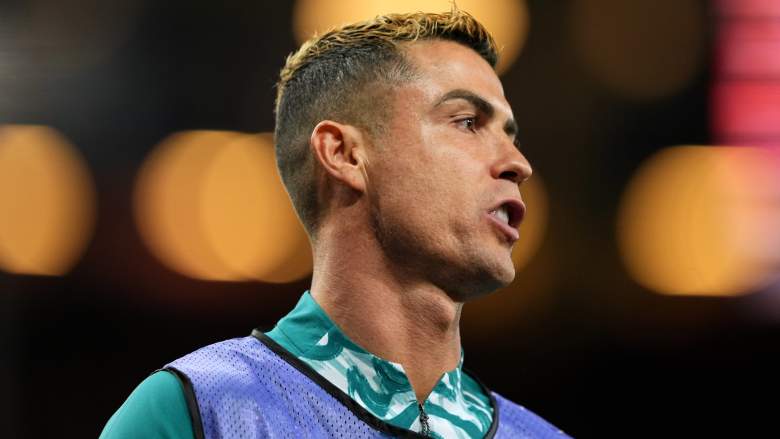
Cristiano Ronaldo may not be as essential to Portugal on the soccer field as he once was. Off it, however, his commercial value suggests that the Portuguese Football Federation has a very difficult decision to make.
The FPF reported more than $153 million in revenue for 2024-25, while its budget for the following season allocated $23.5 million to the senior national team from advertising, television and licensing. Nobody can say exactly how much of that commercial machine is dependent on Ronaldo. But one recent study offers an extraordinary glimpse of just how much attention the 41-year-old still commands. During the 2026 World Cup, 29 Ronaldo social-media posts generated an estimated $107 million in audience value, compared with $79 million generated by 565 posts from Portugal’s national team accounts. Those figures are estimates of audience value, not money paid to Ronaldo or the FPF, but the imbalance is difficult to ignore.
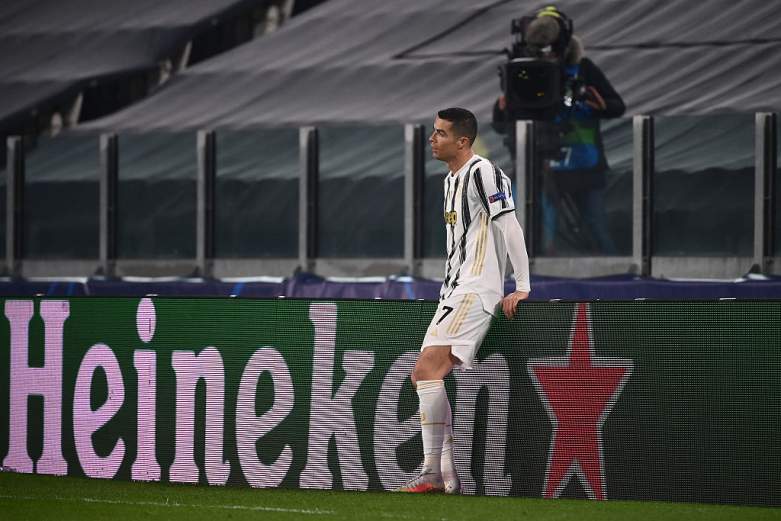
Cristiano Ronaldo’s Commercial Value Is Still Massive
That is the strange position Portugal now finds itself in. The FPF has a product to sell, and Ronaldo remains by far its biggest individual global attraction. Portuguese marketing experts have warned that it is impossible to put an exact dollar figure on his contribution because the federation’s contracts do not reveal how much revenue exists specifically because Ronaldo is involved. But Renascença reported that his departure could have a significant financial impact because his global brand adds value to the national team.
And the World Cup numbers show why. Ronaldo generated that $107 million estimate with 29 posts, while the national team needed 565 posts to produce $79 million in estimated audience value. It doesn’t mean the FPF would suddenly lose $107 million if Ronaldo disappeared. It does mean something much more useful for understanding this situation: Ronaldo’s personal reach is enormous enough to rival — and in this case surpass — the entire national team’s digital output. For a federation selling sponsorship, television and licensing rights around its most visible team, that is leverage.
Portugal Just Showed It Can Win Without Him – At Least On The Field
Here’s where the story gets uncomfortable for the FPF. Portugal has just completed a perfect international break without Ronaldo, winning all four of its matches and securing a place in the Nations League quarterfinals. The latest victory, a 2-1 win over Norway, followed a 4-2 victory over Denmark, and Gonçalo Ramos scored in both matches. Portugal now sits comfortably atop its group.
That doesn’t erase what Ronaldo has done for Portugal. Quite the opposite. He is the country’s all-time leading scorer with 146 goals in 234 appearances, helped Portugal win Euro 2016 and has been central to the nation’s transformation from a talented football country into a genuine international power. His contribution is not something the FPF can simply write off because he is now 41. But the current team has also provided the federation with evidence it did not necessarily have before: Portugal can win important games without him.
So Who Really Has the Leverage?
This is where Ronaldo’s future becomes more complicated than simply asking whether he can still score goals. Ronaldo walked out of Portugal’s training camp after being left on the bench against Norway and learning he would not start against Denmark. Coach Jorge Jesus insisted that selection decisions belong to him, while FPF president Pedro Proença subsequently described the episode as a misunderstanding and emphasized Ronaldo’s importance. Jesus has since left the door open for Ronaldo to return, saying the decision ultimately belongs to the player.
That is an extraordinary amount of deference toward a player who has just watched Portugal go 4-0 without him. And there is an obvious question hanging over it: is Portugal trying to bring Ronaldo simply because losing its biggest commercial star is simply too expensive to contemplate? Ronaldo is also sitting on 979 career goals, just 21 short of the 1,000-goal milestone. We cannot know that reaching four figures is driving his decisions, but it is certainly part of the context surrounding a player who has made his career about breaking records.
Portugal Needs Ronaldo — But Ronaldo Needs Portugal, Too
There is another piece to this. Ronaldo’s value is not limited to Portugal. At Al Nassr, his role has long been presented as something larger than simply scoring goals. When he extended his contract through 2027, Ronaldo himself said he wanted to help change not only Al Nassr but Saudi Arabia, and described himself as part of the country’s broader growth. The Saudi Pro League has similarly promoted his role in the league’s expansion.
That makes the Portugal situation particularly interesting. Al Nassr and Saudi soccer want Ronaldo because he is a footballer and a global promotional force. Portugal doesn’t pay him his club salary, but it benefits from having that same global force attached to its national team. And Ronaldo, in turn, needs Portugal if he wants to add to his international goals, his legacy and perhaps finish his career on his own terms.
Portugal therefore has something Ronaldo wants, while Ronaldo has something Portugal wants. The difference now is that the balance may finally be shifting. Portugal has just shown it can win without him. The numbers suggest the FPF may still find it very difficult to live without him. That is the real problem — and it has very little to do with what happens on the field.









Cristiano Ronaldo’s Commercial Value Is a Massive Problem for Portugal FA