
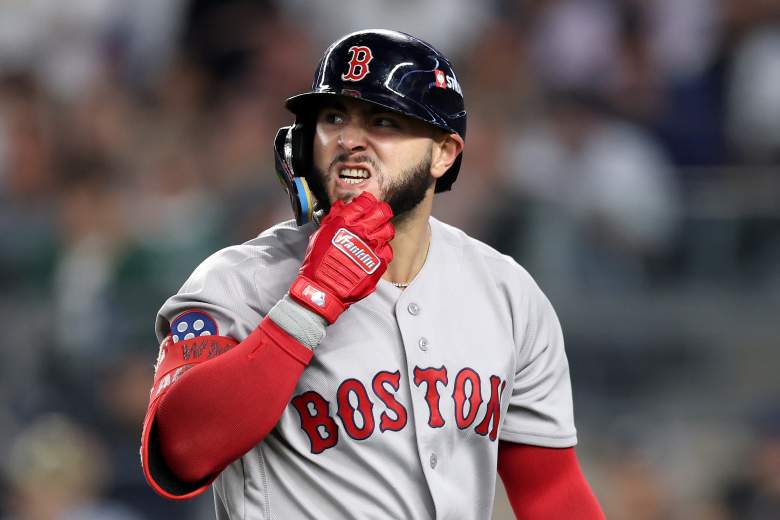
The Boston Red Sox could add more than one power bat by putting Seiya Suzuki on their offseason shopping list.
They could also make their lineup more flexible, provided they settle the playing-time questions before committing.
Boston.com’s Conor Ryan identified Suzuki as a potential fit earlier this month. The argument is worth revisiting as the free-agent market approaches, though it doesn’t mean Boston has opened negotiations.
Suzuki finished 2026 with a .270/.368/.473 slash line and 26 home runs, according to Baseball Savant. Those numbers supply the obvious attraction. His ability to work in an outfield and designated hitter rotation creates the more interesting question for Boston.
Suzuki Could Add More Than Right-Handed Power

FanGraphs’ playing-time record lists 111 games in right field and 30 at designated hitter this season. Boston would therefore be evaluating someone with recent experience in both roles.
That flexibility could matter when building a schedule around Roman Anthony. If the Red Sox want Anthony to play DH occasionally, an acquisition who can play the outfield offers more options than a hitter restricted to one lineup spot.
It wouldn’t create extra plate appearances on its own. Boston would still have to account for Wilyer Abreu and the rest of its outfield, and any arrangement would depend on how the roster changes.
The point is to evaluate Suzuki as part of a full alignment. A lineup that gets stronger on days Anthony needs a different assignment has value beyond one player’s home run total.
That is also why an apparent outfield surplus can be misleading. A group can look crowded on paper while still leaving the manager short of suitable choices when an injury or a planned rest day changes the preferred starting lineup.
That benefit would depend on defensive performance, health, and a role Suzuki would actually accept.

The Best Fit Still Needs a Realistic Price
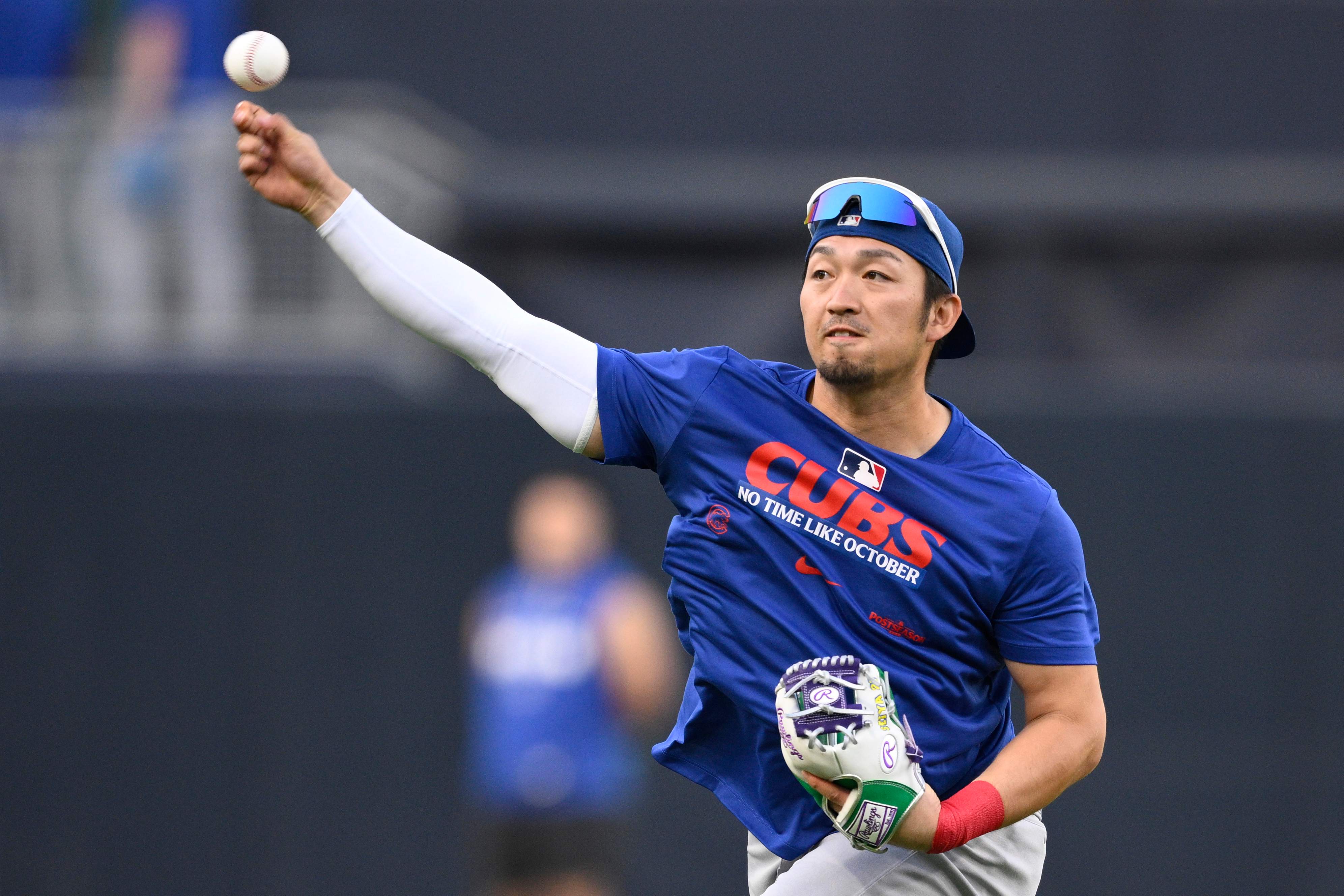
There are reasons to proceed carefully.
Suzuki is 32, so contract length would matter. Boston would need to consider how the proposed arrangement might change if more of his future playing time shifts toward designated hitter.
A flexible player can become a less flexible investment if the contract outlasts the skills that made the original fit attractive. That possibility belongs in the evaluation alongside his offensive production.
The Red Sox should also avoid assuming Fenway Park would automatically produce a career season. A favorable theoretical fit still has to survive the opposing pitchers, daily workload, and normal variation of a long schedule.
A signing would work best if it improved Boston’s choices throughout the week, rather than forcing the same difficult compromise into every game.
Suzuki deserves consideration because Boston can imagine a specific job for him beyond simply adding a recognizable name. The decision should follow a clear plan: identify the available at-bats, establish a realistic defensive workload, and decide what that combined role is worth before entering a bidding contest.
Red Sox’s Seiya Suzuki Fit Comes With a Surprising Roster Twist