
The Chicago Cubs celebrated the 10th anniversary of their 2016 World Series title, the most pivotal moment in the team’s history. Since that magical autumn, the franchise has endured more than its fair share of bumps and bruises. None more hurtful than watching their sworn rival, the Milwaukee Brewers, win a World Series. To many Cubs fans, the Brewers are the pesky neighbor, the proverbial rock in their shoe.
Separated by less than 100 miles, Chicago and Milwaukee, from an organizational standpoint, cannot be different. Chicago, backed by a billionaire family, enjoys significant financial advantages over the Brewers. Yet, the Brewers continue to foil Chicago’s plans to return to the Fall Classic. Yet, with free agency money in their pocket, what should the Cubs do to find a way to close the gap?
10 years ago today, the Chicago Cubs won the 2016 World Series Championship by defeating the Indians in Game 7 of the 2016 World Series 🙌🏼
After being down 3-1, the Cubs came back and became World Series Champions for the first time in 108 years 🙏🏼 https://t.co/veRvx55vWR
— Cubs Zone (@CubsZone) November 2, 2026
https://platform.x.com/widgets.js
Ignore the Past
Despite winning 89 games, Chicago did not feel any closer to the Brewers. Being in second place fourteen games ago must feel like a stone in the collective souls of the fan base. Moreover, the number of free agents appears to be rising each day. From Ian Happ to Seiya Suzuki, you will see new faces around the friendly confines.
On the mound, the front office attempted to bolster the roster with trades to no avail. In renting Clay Holmes and Tyrone Taylor from the New York Mets, the Cubs parted with Jefferson Rojas, who automatically became the Mets’ top prospect. Holding on to those facts does nothing to help the future.
Shorten Swings
While Chicago’s strikeout total of 1,345 is just below the league average of 1,357, the team still struggled to make consistent contact. Too many free swings killed scoring chances. Critics will say that the Cubs led MLB with 845 runs scored.
Before shifting focus to pitching, I believe the #Cubs main priority should be re-signing Seiya Suzuki.
The #Cubs offered Seiya a qualifying offer of $23.15 million, and I would be shocked if he took it, because I believe he can get a higher paycheck.
Although Seiya has yet to decline the offer, he has until November 17th to accept or decline it.
If the #Cubs get Seiya’s contract figured out first, I believe it would put less pressure on them to find what they really need in the free agent market, and that’s PITCHING.
WE WANT TO HEAR FROM YOU!
Should the #Cubs prioritize Seiya Suzuki, or do you think they will be fine letting him test free agency?
LET’S HEAR IT!
— Just Another Year Chicago: Cubs (@JAYChi_Cubs) November 5, 2026
https://platform.x.com/widgets.js
Land an Ace
Granted, left-hander Tarik Skubal is the most-coveted pitcher on the market. However, with a price tag that could potentially eclipse $300 million, the Cubs need to invest in other arms. For example. Michael King. Who is only a couple of years younger than Skubal, can pitch in high-stakes moments for a third of the asking price. Granted, his ceiling is lower, but landing a player who could get you 14-17 wins behind a strong lineup should never go unnoticed.
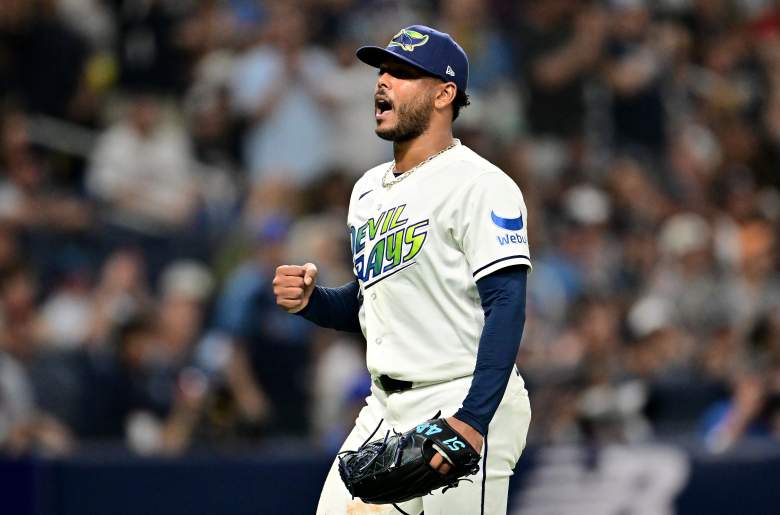
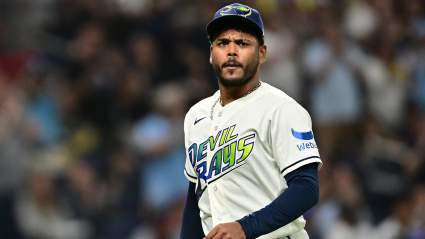
However, the crown jewel of the Cubs’ free agency could be Freddy Peralta. Peralta, the long-time Brewer, possesses the one trait that every team needs. He excels later in the season. For example, he is 29-14 from August to October. Plus, his teams have made the playoffs seven times, with his last team, the Tampa Bay Rays, advancing to the World Series.
Bleacher Report’s @kerrancejames ranked Freddy Peralta’s top 5 landing spots:
1. #Cubs
2. #SFGiants
3. #BlueJays
4. #Tigers
5. #WhiteSoxESPN’s @kileymcd has Peralta No. 3 on his free-agent board, projecting 4 years, $96M ($24M AAV).
He had a 3.25 ERA in 10 regular-season starts with the Rays after the 2026 deadline.
— Matthew Crory (@matthewcrory) November 3, 2026
https://platform.x.com/widgets.js
Overview
The Cubs, on the whole, look like they can compete with a few upgrades. They need to clarify the type of team they want to become. The Brewers have a successful blueprint: focus on drafting and developing talent while making smaller trades. The Dodgers, in contrast, focus on maximizing their spending whenever possible. If Chicago can find a balance between these two approaches, the gap between them and their NL Central rival will narrow.


Amid Brewers World Series Win, Cubs Must Focus on Three Key Changes