
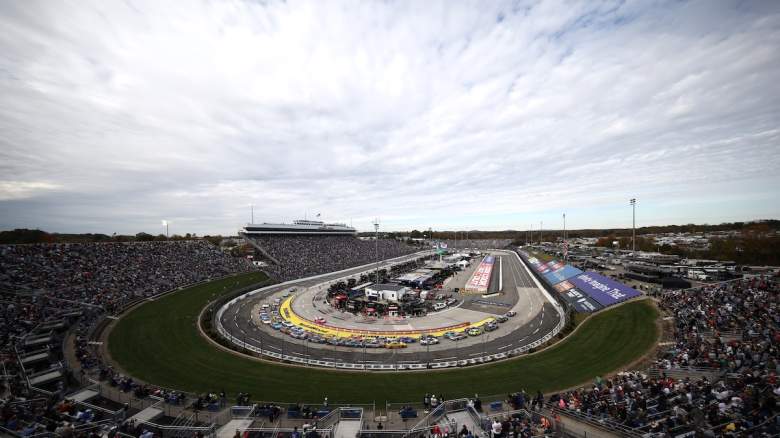
The sun disappeared from Sunday’s Xfinity 500 at Martinsville Speedway, and falling track temperatures now reshape the race for Kyle Larson, Denny Hamlin and William Byron.
“We’ve lost the sun for the day; track temps down,” RACER.com‘s Kelly Crandall relayed on social media from the radio call. The change sends the race toward dusk with the track cooling lap after lap. The cloud deck matters because Martinsville’s paperclip-shaped half-mile punishes any loss of grip, and the drop arrives as Nov. 1 daylight fades.
Conditions at the track sit around 66 degrees under cloudy skies and light east winds, with no precipitation falling. Forecasts called for mid-60s highs and clouds, with sunny breaks earlier in the day.
Rain chances at 3:20 p.m. ET sit near zero. Precipitation intensity reads 0% with dry skies, and forecasts show a stray shower as a slight possibility at best, with chances between 0 and 10 percent through the afternoon and evening. A weather delay appears unlikely, and the race should run to completion without a rain interruption.

Martinsville Track Temperature Drop Changes Tire Grip
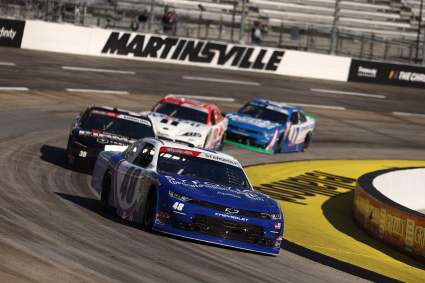
Track temperature ranks among the biggest grip variables on short tracks, and Martinsville’s concrete surface amplifies the effect.
Cooler surfaces make tires harder to warm up into their optimal operating window. Rubber adheres less, so the racing line builds more slowly, and the rubbering-in process weakens below roughly 90 degrees track temperature. That process lays down the layer of rubber that forms the preferred groove around the track, and a weaker layer leaves less to work with in the corners.
The result is less overall grip and cars that feel tighter or more inconsistent on corner entry and exit. Tire management and heat generation gain importance, older tires fall off faster, and setup balance shifts as temperatures slide from afternoon into evening.
Crews also face a moving target. Setups dialed in for the warm afternoon can drift as the track sheds heat, which forces drivers to adjust corner by corner and lap by lap while the surface changes beneath them.
Kyle Larson, Denny Hamlin Face Martinsville Weather Test
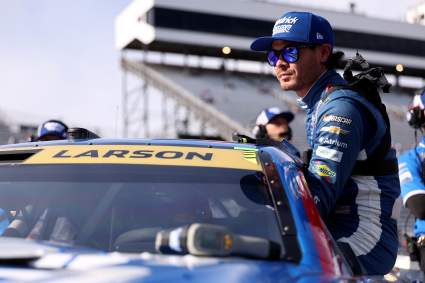
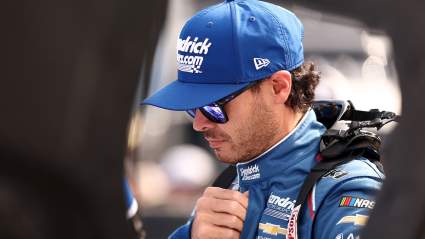
Everyone feels the drop, but teams already juggling tire life, balance or track position feel it most. Chase leader Kyle Larson fits that description after an older-tire, no-stop strategy, and he went a lap down in Stage 1. Cooler track temperatures make recovering that lap and managing grip a harder task.
Denny Hamlin ran the same older-tire plan and missed Stage 1 points on older tires. As a Martinsville specialist who needs maximum points, he can find the car tighter or less responsive in cooler air while he recovers from mid-pack. Both drivers started the race on the older-tire plan, which puts their tire life under the sharpest scrutiny as the surface cools.
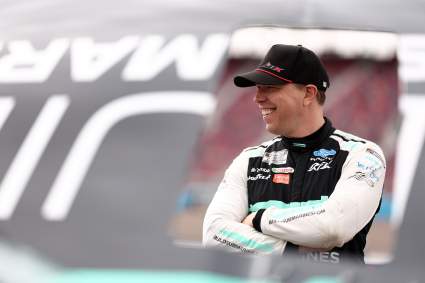
Byron sits on the other side of the ledger. His strong short-track and Martinsville history and earlier fresh-tire pace give him a base for adapting, and the cooler conditions stand to hurt him less if his car generates heat well.
Other short-track regulars may handle the drop better, including Ryan Preece, who stayed out and still finished high in Stage 1. Cars that were already loose or struggling to put heat in their tires suffer more.
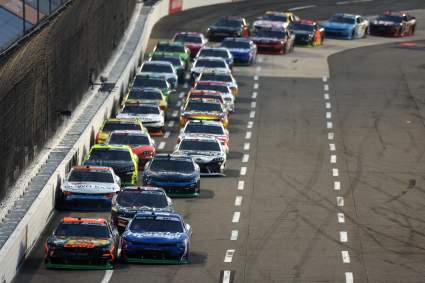
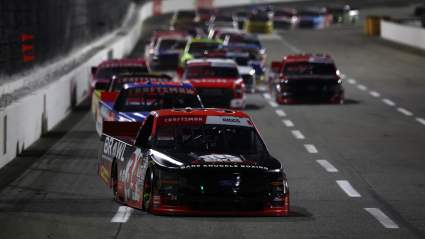
Sunset arrives around 5:22 p.m. ET, so the field will finish the race under the lights with the track still cooling. That sets up a long evening for crew chiefs, who must read the balance of each car as the temperature slides, and for drivers whose cars lose the grip they had under the sun.

Will Weather Delay NASCAR at Martinsville? Conditions Shift in Stage 2