
The Minnesota Timberwolves have a lot hinging on the 2026-27 season.
While there’s no indication that franchise player Anthony Edwards is unhappy, management must stay vigilant.
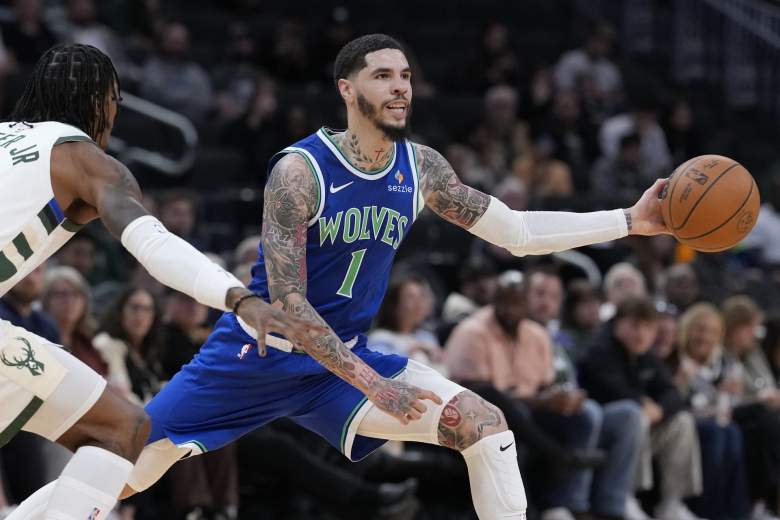
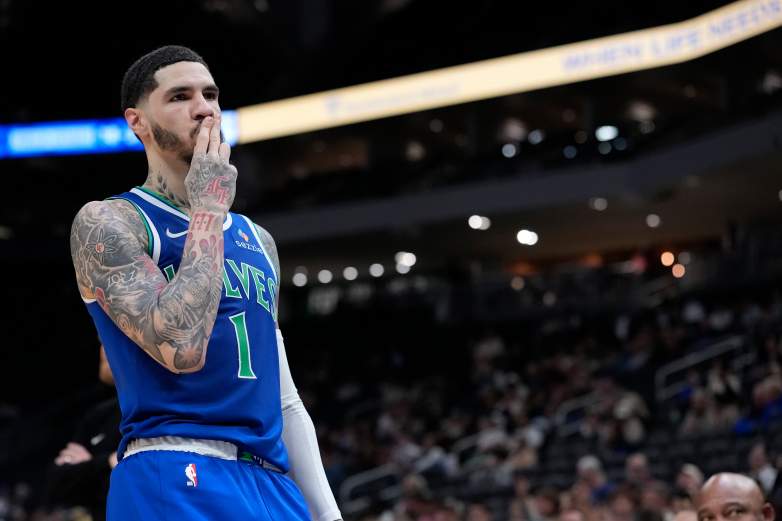
The front office’s response to the rapidly shifting timeline? Making a trade for 2020 #3 overall pick LaMelo Ball.
The move is in an attempt to further bridge a team on the cusp of full-on contending status, but it’s absolutely a calculated risk as well. Explore the possible positive and negative fallout from the move below.
It’s Simple to See Why Minnesota Made Trade
The Timberwolves are firmly the third-place franchise in the Western Conference hierarchy at the moment. While the franchise has won at least one playoff series in three consecutive seasons, the Oklahoma City Thunder and San Antonio Spurs are firmly on the map as powerhouses.
Teams are incredibly unlikely to take down either the Thunder or Spurs by matching their respective styles of play. So, Minnesota is naturally taking a different approach.
The Timberwolves’ vision is clear – roll out a perimeter-centric offensive attack that stretches defenses the entire width of the court. It certainly makes sense on paper, as Ball and Edwards combined for over 18 three-point attempts per game a season ago.
The duo is receiving requisite support as well. Rudy Gobert and Jaden McDaniels remain amongst the best defensive players in the NBA. Jonathan Kuminga adds a versatile scoring option. Ayo Dosunmu is a proverbial “glue guy” that plays both sides of the ball.
There are risks that the franchise is taking on by making this move, however.
… But Timberwolves Face Clear Risks
Grant Hughes (Bleacher Report) is labeling the Ball trade as one that can go terribly wrong, with sound reasoning behind the opinion.
The Charlotte Hornets moving on from Ball after a successful 2025-26 campaign should raise eyebrows.
While Ball is a great offensive player, several questions still surround the 25-year-old. These include overall durability, effort on the defensive side of the ball, and how sustainable his brand of play on offense truly is.
Ball has only cleared 50 appearances in three of his six seasons in the league. This is inherently a concern, as the Timberwolves don’t have a very stable backup plan in tow. Beyond this, Ball’s brand of play has potential to backfire in tight-quartered playoff basketball. His defensive effort is another concern, especially in a unit that is anchored by Gobert.
The riskiest piece of this trade is surely the draft compensation that Minnesota is on the hook for. If Ball’s strengths elevate Minnesota and his weaknesses become obsolete, there’s a chance that the franchise finally breaks through the West.
If it doesn’t, there’s a world where the Timberwolves are hitting the reset button within the next three seasons.
There’s little doubt that the upcoming season is a crucial inflection point for Minnesota. The ceiling of this team very likely comes down to the health of Ball and how he fits in Chris Finch’s offense as well.
The Timberwolves open the season against the Miami Heat on Oct. 21.
Timberwolves Warned Bold LaMelo Ball Trade Could Backfire