

The New York Yankees are trying to fix Ryan McMahon in real time, and they are doing it with their most important voice in the room.
That voice belongs to Aaron Judge.
McMahon’s brutal start at the plate has not gone unnoticed. He opened the season with just two hits in his first 29 at-bats, and the quality of those at-bats has raised more concern than the numbers themselves. But instead of waiting for regression to the mean, the Yankees have taken a more aggressive approach. They are rebuilding parts of his swing while games still matter.
That is where Judge enters the picture.
Yankees Turn to Aaron Judge to Fix McMahon
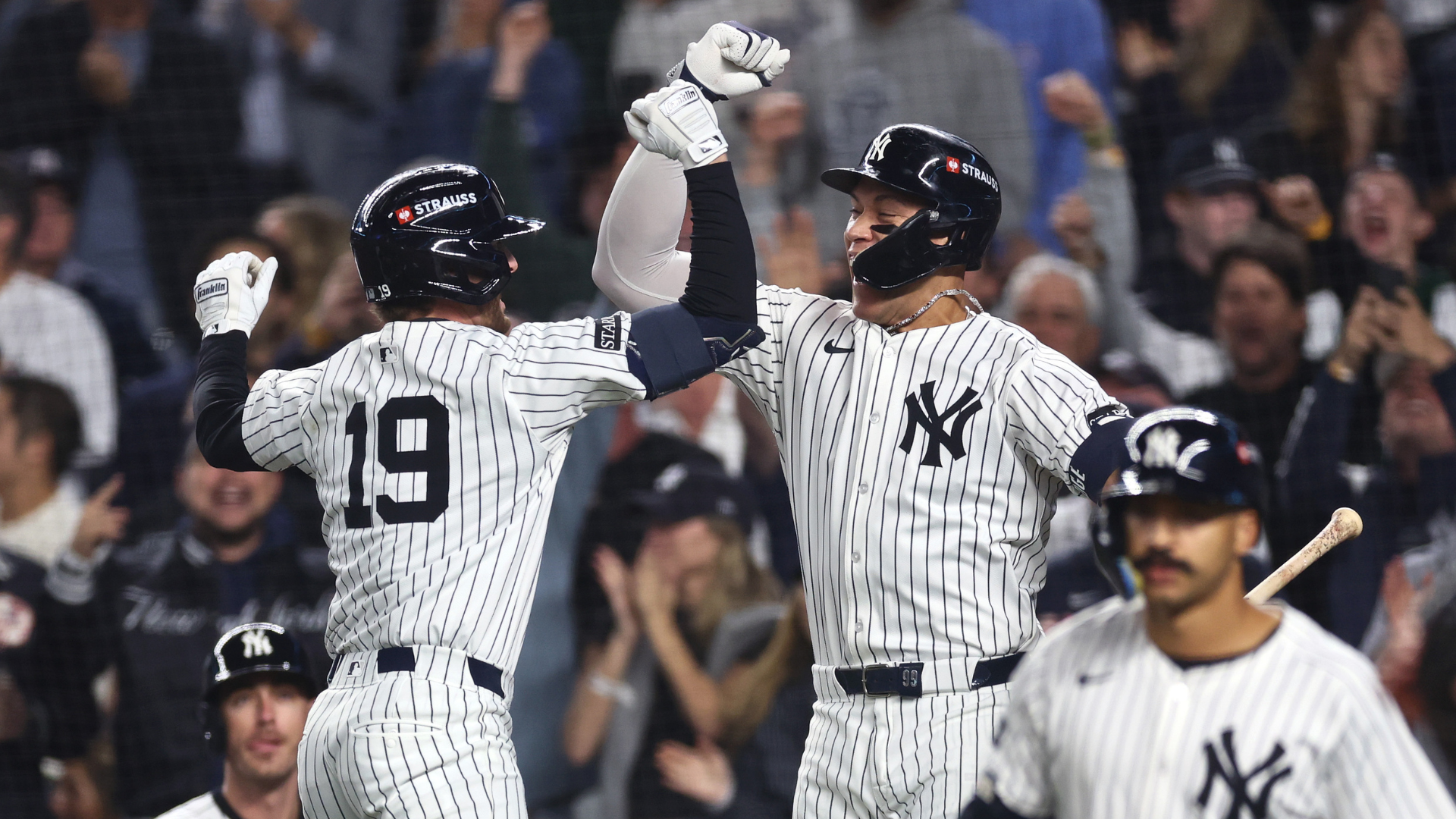
According to SportsNet New York’s Chelsea Janes, one of the defining moments of this process came quietly during spring training. While most of the roster traveled, McMahon stayed behind to work through mechanical issues. Judge did not have to be there. He chose to be.
For nearly half an hour, Judge watched every swing. He broke down mechanics. He demonstrated his own approach. He explained how he keeps his weight back and removes unnecessary movement before committing to the ball.
That is not casual advice.
That is the franchise player stepping in because something needs to change.
Inside that clubhouse, Judge sets the tone. When he stops his routine to help a teammate, it signals urgency. It also signals belief. The Yankees do not see McMahon as a finished product. They see something they can unlock.
This Is Not a Slump, It Is a Rebuild
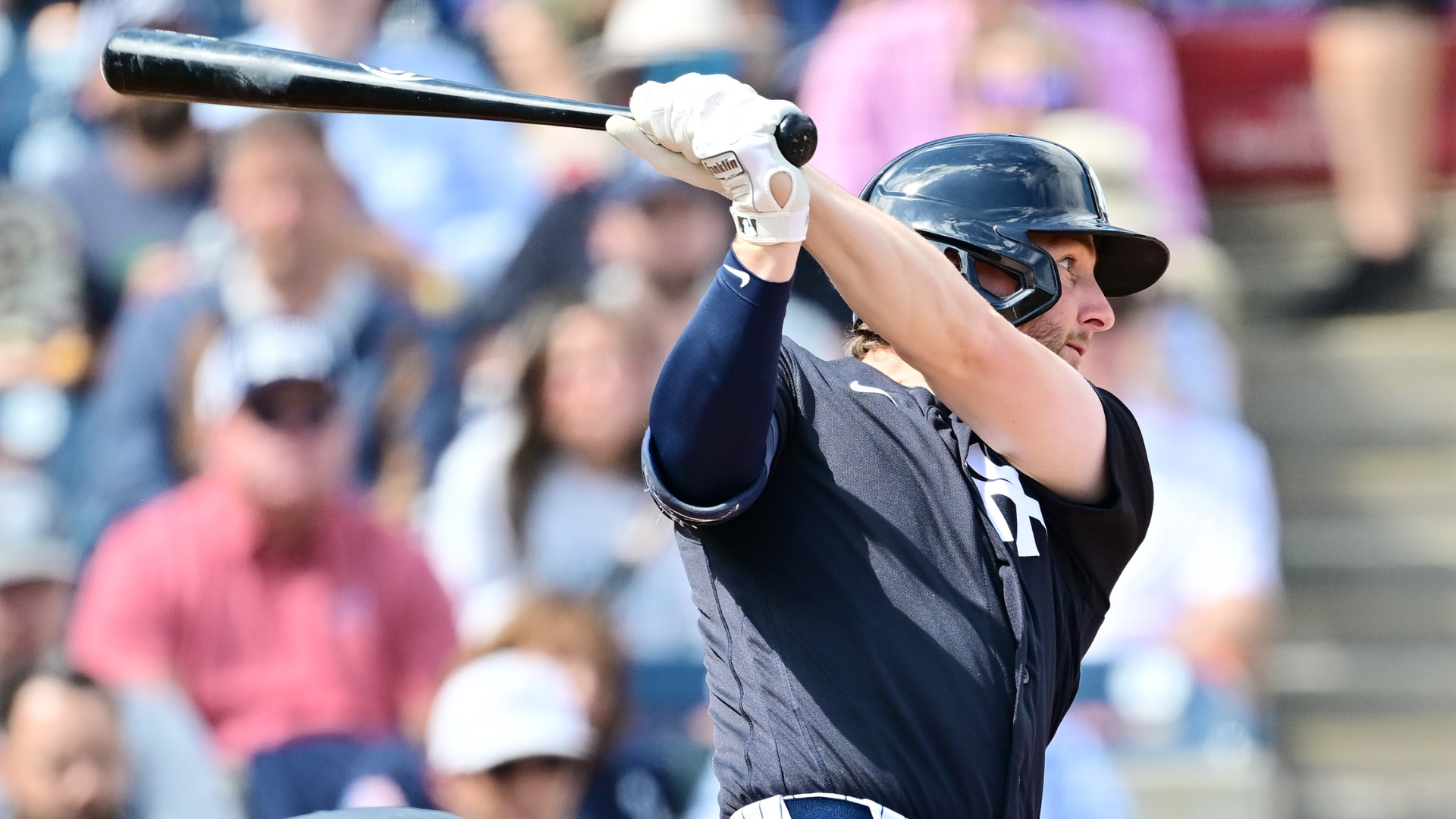
McMahon’s struggles are not random. They are the result of intentional change.
He is working on timing, trying to get into his launch position earlier so he can attack the ball the moment it leaves the pitcher’s hand. That adjustment sounds simple. It is not. It forces changes to rhythm, balance, and sequencing all at once.
That kind of overhaul rarely looks clean early on.
Right now, it looks messy. The contact is inconsistent. The confidence wavers. The results follow. But this is what swing reconstruction looks like in April when the games count.
The Yankees knew that risk when they started this process.
Yankees Are Betting on Upside, Not History
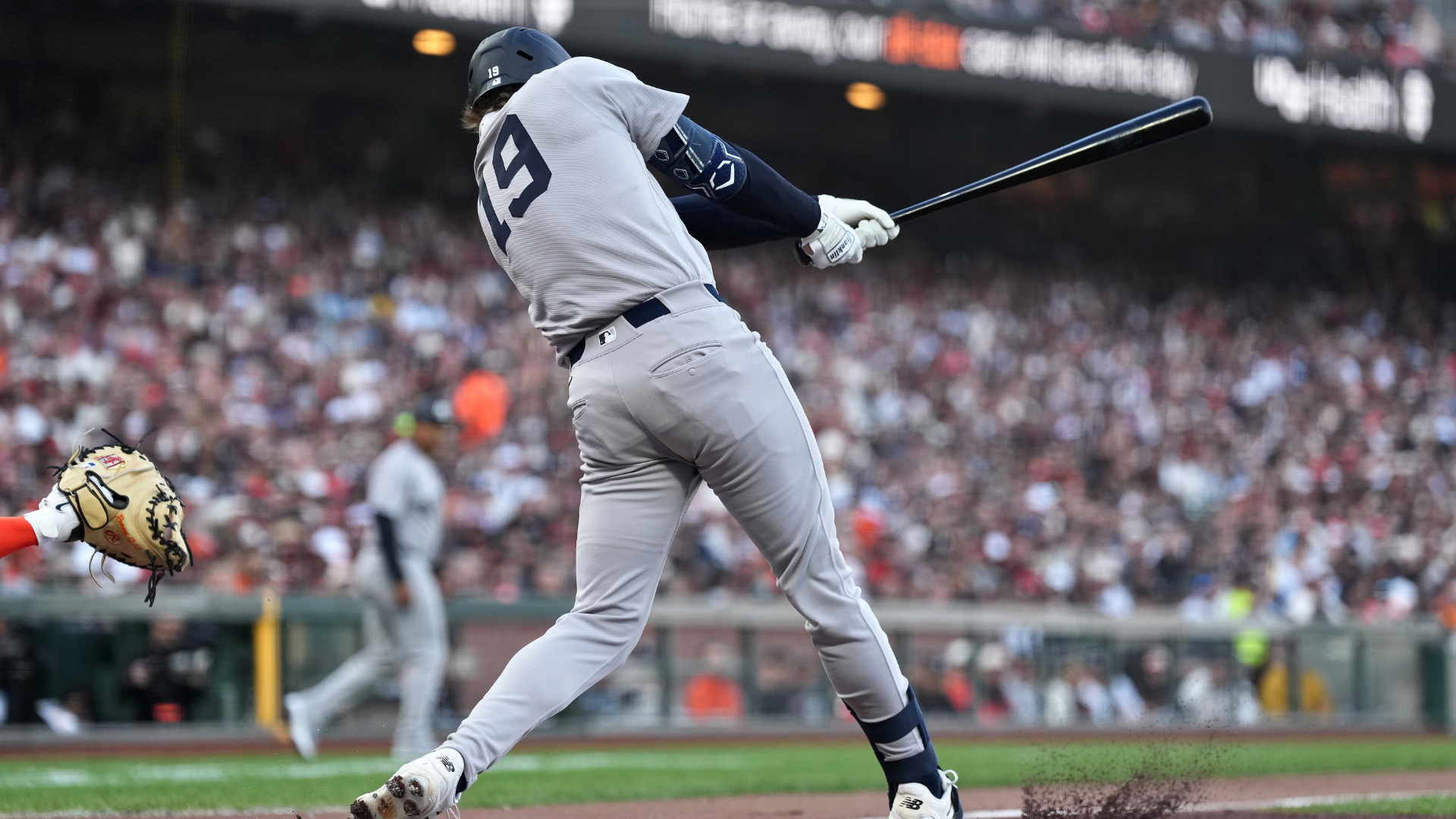
Manager Aaron Boone has already publicly defended McMahon, calling him a good hitter and pointing to the small sample size. That defense matters, but the context matters more.
The Yankees did not acquire McMahon to carry the offense. They brought him in for defense and versatility. His bat was supposed to be complementary.
Now they are trying to make it more.
McMahon has long shown power in all fields, but he has never been a consistent offensive force. The Yankees believe that better timing can unlock a higher ceiling. Not a star leap, but a meaningful jump in production.
Judge’s involvement reinforces that idea. This is not a passive experiment. It is a coordinated push to turn a role player into something more valuable.
Why This Matters for the Yankees
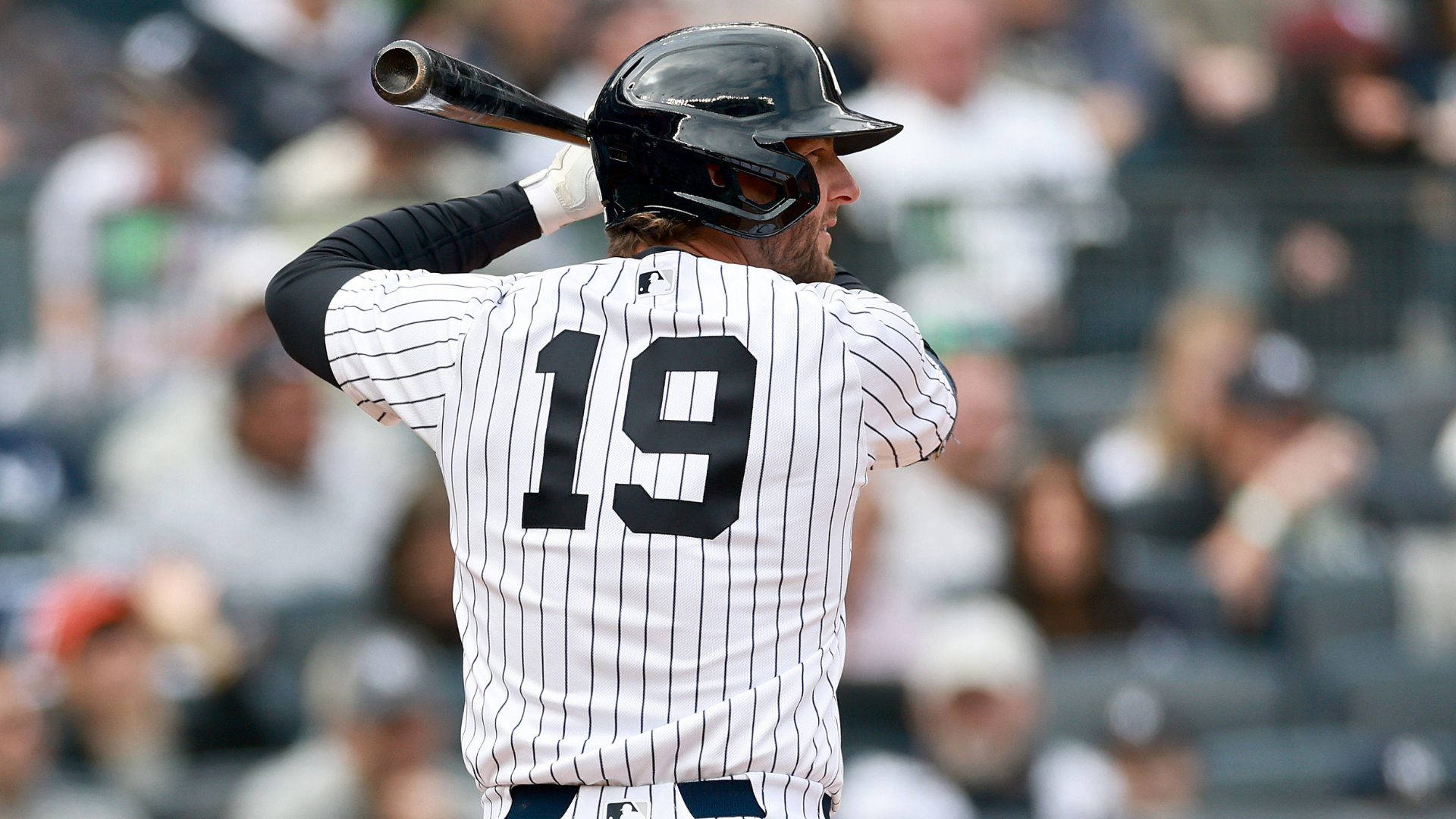
This is not just about McMahon.
The Yankees lineup has shown cracks early. Cold weather has not helped, but inconsistency has become a theme. If McMahon remains a non-factor at the plate, the pressure shifts onto the middle of the order to carry even more of the load.
That is not sustainable over a full season.
If the adjustments work, the Yankees gain depth and balance. If they fail, McMahon risks becoming a defensive specialist in a lineup that needs more than that.
For now, the Yankees can afford patience. Their record gives them breathing room, and April rarely defines a season.
But this clock is real.
Mechanical changes need results eventually. The longer the struggles continue, the harder it becomes to separate process from problem.
The Yankees are not waiting to find out.
They are trying to build a better hitter on the fly. Judge’s involvement shows how serious they are. The next step is whether McMahon can turn that work into production before patience turns into pressure.
Yankees Turn to Judge to Fix McMahon Struggles