
The Chicago Bears may have another problem to solve before facing the Seattle Seahawks’ defense.
Tight end Colston Loveland was added to Chicago’s injury report Friday, October 30, as a limited participant with a neck injury. His availability now becomes another variable for a Bears offense already missing veteran tight end Cole Kmet.
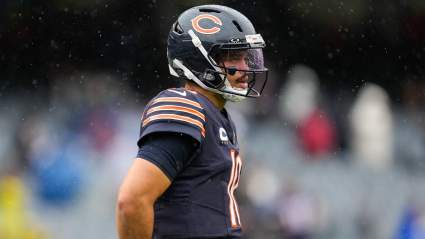
The timing is especially inconvenient for Chicago. Loveland has caught 13 passes for 134 yards and two touchdowns over the past two games, giving Caleb Williams a productive target before a matchup the quarterback has described as a test of patience.
Loveland has not received an official questionable designation. The Bears’ injury report lists his practice limitation, with Saturday’s participation and game-status fields still unfilled.
Colston Loveland Injury Adds to Bears’ Tight End Concerns
Loveland’s appearance on the report comes as Chicago is adjusting to a significant loss at his position.
Kmet suffered a season-ending knee injury against the New England Patriots. According to the Bears’ official website, that left third-round rookie Sam Roush as the only reserve tight end on the 53-man roster behind Loveland.
Head coach Ben Johnson already expected Roush’s workload to increase following Kmet’s injury.
“We’ve been very pleased with the improvement that [Roush] has made over these first seven weeks,” Johnson said.
If Loveland cannot play, that expanded supporting role becomes a much larger assignment. Chicago would need Roush to handle more responsibility while determining how to replace Loveland’s recent receiving production.
This is not simply a depth-chart concern. Jason Lieser of the Chicago Sun-Times reported that Loveland had not appeared on an injury report in more than a year. The new neck issue interrupts his most productive two-game stretch of the season.
Why Loveland’s Status Matters for the Seahawks’ Defense
Williams has already outlined the challenge Seattle presents.
As Heavy previously reported, the Bears quarterback emphasized the Seahawks’ ability to prevent deep completions and force an offense to remain patient.
That makes dependable underneath production valuable. An offense accepting shorter gains needs receivers who can keep possessions moving without requiring Williams to force throws downfield.
Loveland’s recent volume gives Chicago one such option. Losing him would remove a target Williams has been finding consistently, while Kmet’s absence limits the Bears’ ability to replace that production within the same position group.
For Seattle, the potential benefit is fewer established tight end options to account for when matching personnel and defending the middle of the field. That is a matchup implication, however, rather than evidence that Chicago’s passing game would stop functioning.
The Seahawks also have their own health concerns. Seattle’s Friday report listed linebacker Tyrice Knight as limited with a hip injury, although Drake Thomas and Chazz Surratt returned to full participation.
Loveland’s next injury update will help clarify whether Chicago enters Monday with its emerging tight end available or asks a rookie reserve to shoulder a substantially larger role against Seattle.




Seahawks Get Unexpected Injury Development Before Bears Game