
The New Jersey Devils are among the better teams in the NHL across multiple categories. But there is a major contradiction with one of them.
Some of the NHL’s best power-play units won’t get many chances to capitalize against the Devils. So far in 2026-27, the Devils have allowed opponents on the power play 34 times. Heading into Thursday’s slate of games, that is the lowest number in the league, and it averages 2.26 per game.
The problem? When opponents go on the power play, they are likely to score against the Devils. So far in 2026-27, New Jersey has a 67.65 penalty kill percentage. That is the worst mark in the Eastern Conference and the fourth-worst in the NHL.
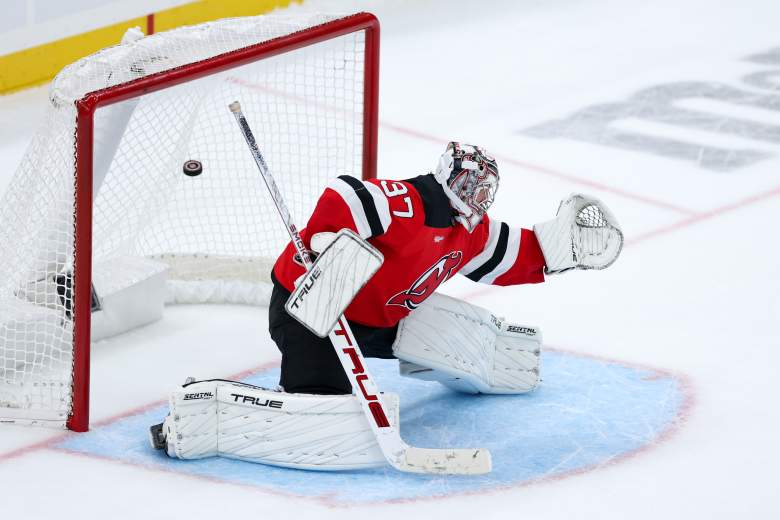
Even new goaltender Connor Hellebuyck hasn’t remedied the situation. While Hellebuyck has been stellar in the net, he has allowed three power-play goals across his first three games as a Devil.
Until Hellebuyck and the entire penalty kill unit step up when called on, New Jersey must keep opponents’ power-play opportunities limited.
Devils Are A Different Team When They Limit Opposing Power Plays
How much has a bad penalty kill unit affected the Devils in 2026-27? So far, they are 6-0-0 when limiting opponents to zero or one power-play opportunity. New Jersey is 7-2-0 when allowing two or fewer.
When allowing opponents on the power play three or more times, they are 3-3-0. That makes them a .500 team when they commit one too many penalties.
As of Thursday morning, NHL teams have allowed opponents to go on the power play an average of 3.125 times a game, per Hockey Reference — an average of 50 power-play opportunities allowed divided by an average of 16 games played.
As mentioned earlier, the Devils have allowed 2.26 power-play opportunities per contest. That means they are, on average, allowing almost one fewer per game. Until they find an answer for opposing power plays, they must not commit needless penalties.
Further, they must not let opponents draw them into committing penalties. The more opponents understand that the Devils have a weak penalty kill, the higher the likelihood they will try to draw penalties.
New Jersey Can Win Games By Limiting Special Teams Play
New Jersey’s issues aren’t limited to the penalty kill. Earlier in the week, an anemic power play forced the Devils to make a change to their top unit. All things aside, the Devils remain one of the NHL’s best teams at 5-on-5. If they can keep games at 5-on-5 or at even strength, their chances of winning increase.
While their 5-on-5 shooting percentage sits at a below-average 8.2, few teams in the NHL have matched the Devils in creating chances. They have a 58.7 Corsi For Percentage, 40.4 expected goals for (xGF), 34 goals scored, 386 scoring chances for, and 130 high-danger chances for.
Most of the above numbers are crushing the NHL. That will further try to motivate teams to draw the Devils into committing penalties.
But the Devils also know if they play a clean game, they are one of the hardest teams to stop in hockey. That will be the case again on Thursday when the Devils face off with the St. Louis Blues.













Devils Have An NHL-Best Statistic With A Troubling Catch